
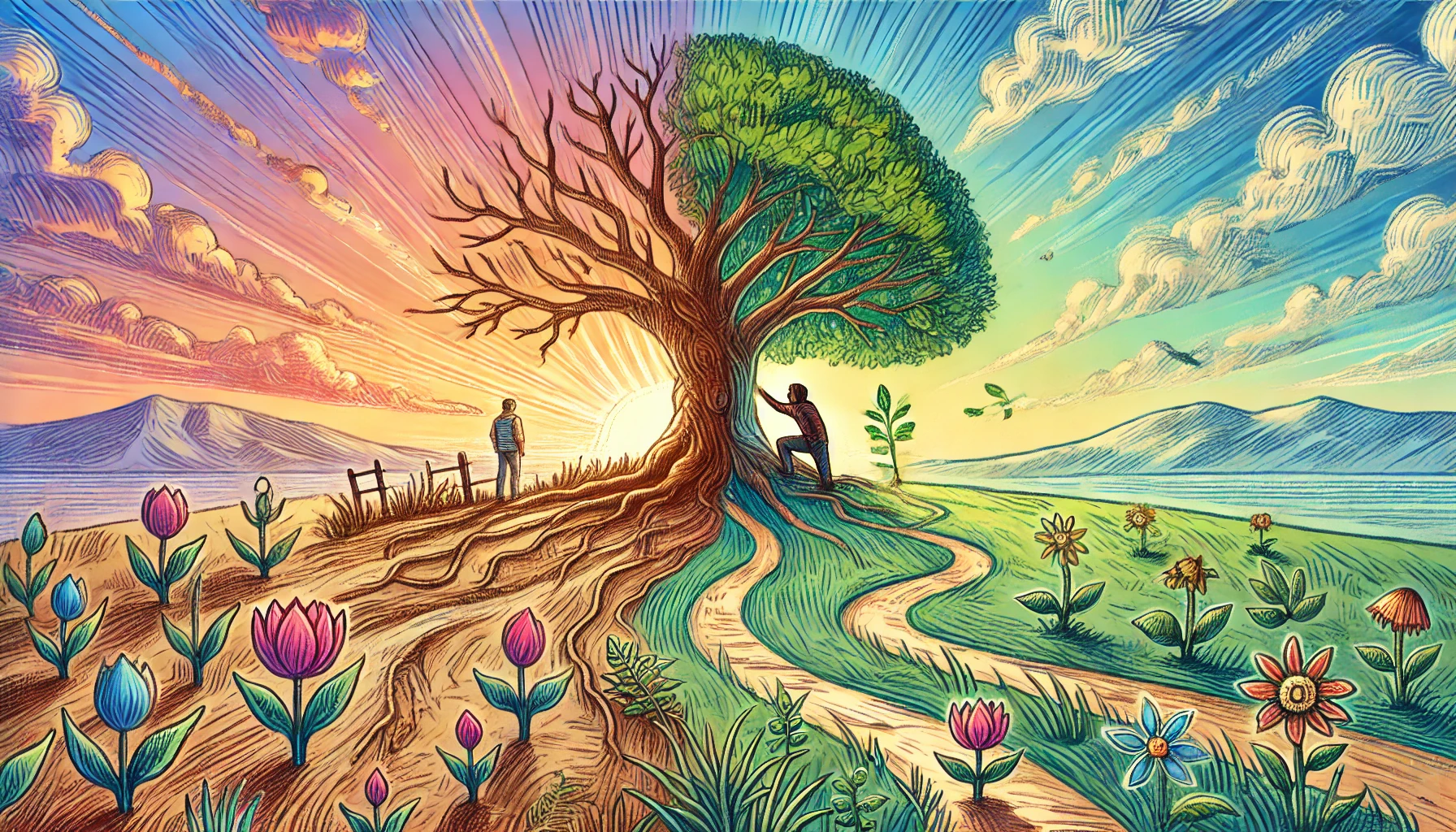
Balancing personal growth with the stability of long-term friendships can be challenging, but it’s a crucial aspect of maintaining meaningful relationships while evolving as an individual. As you pursue personal growth, whether through career advancements, self-improvement, or life changes, it’s natural for your priorities and perspectives to shift. However, this doesn’t mean that your long-term friendships must be sacrificed. With intentional effort, open communication, and mutual respect, you can continue to nurture these relationships while embracing your personal development.
Long-term friendships provide a sense of stability, comfort, and continuity in your life. They are often built on years of shared experiences, trust, and understanding. As you grow and change, it’s important to ensure that your friendships evolve with you. In this blog, we’ll explore strategies for balancing personal growth with the stability of long-term friendships, helping you to maintain strong, supportive relationships while pursuing your individual goals.
1. Communicate Openly About Your Growth
- Open communication is key to balancing personal growth with the stability of long-term friendships. Share your growth journey with your friends, including your goals, challenges, and any changes in your life.
- Be honest about how your growth might impact your availability, interests, or priorities. This helps set expectations and prevents misunderstandings.
- Encourage your friends to share their own experiences and growth journeys. This mutual exchange fosters a deeper understanding and connection.
- Address any concerns your friends might have about the changes you’re experiencing, and be open to discussing how you can maintain your bond.
- Regular, open communication ensures that your friends feel included in your life, even as you evolve, helping to maintain the stability of your relationship.
2. Prioritize Quality Time Together
- As you grow, your time may become more limited due to new responsibilities or pursuits. To maintain the stability of your friendships, prioritize quality time with your long-term friends.
- Plan regular get-togethers or check-ins, even if they’re less frequent than before. Focus on making these moments meaningful and enjoyable.
- Engage in activities that you both enjoy, whether it’s a favorite hobby, a shared interest, or simply catching up over coffee. Quality time strengthens your bond and keeps the friendship vibrant.
- Be fully present during your time together. Avoid distractions and show genuine interest in your friend’s life, demonstrating that they remain a priority despite your busy schedule.
- Prioritizing quality time helps maintain the connection and stability of your long-term friendships, even as your personal growth demands more of your attention.
3. Be Mindful of Changing Dynamics
- Personal growth can lead to changes in your values, interests, or lifestyle, which may affect the dynamics of your friendships. Be mindful of these changes and how they might impact your relationships.
- Reflect on how your friendship has evolved over time and how it might need to adapt to your current circumstances. This might involve finding new common ground or adjusting expectations.
- If your priorities have shifted, communicate this to your friends and discuss how you can maintain your bond while respecting each other’s needs.
- Embrace the natural ebb and flow of friendships, understanding that change is a normal part of any long-term relationship.
- Being mindful of changing dynamics allows you to navigate shifts in your friendship with grace and adaptability, helping to maintain stability.
4. Respect Each Other’s Growth
- Just as you’re experiencing personal growth, your friends may also be on their own growth journeys. Respect and support each other’s development, recognizing that growth is a shared experience.
- Avoid comparing your growth to that of your friends. Everyone evolves at their own pace, and it’s important to honor each person’s unique journey.
- Celebrate your friend’s achievements and milestones, and offer encouragement during their challenges. This mutual support strengthens the bond between you.
- Respect any changes in your friend’s life that may affect your friendship, such as new priorities, goals, or boundaries. Show understanding and flexibility as both of you evolve.
- Respecting each other’s growth ensures that your friendship remains strong and supportive, even as both of you pursue personal development.
5. Set Healthy Boundaries
- As you balance personal growth with your friendships, it’s important to set healthy boundaries that protect your time, energy, and well-being.
- Communicate your boundaries clearly to your friends, explaining how they align with your growth goals. For example, you might need more time for self-care, work, or personal projects.
- Respect your friend’s boundaries as well, understanding that they may also need space or time to focus on their growth.
- Boundaries are not about pushing people away but about maintaining a healthy balance that supports both your growth and your relationships.
- Setting healthy boundaries helps prevent burnout and ensures that your friendships remain positive and fulfilling.
6. Reflect on the Friendship’s Value
- Take time to reflect on the value of your long-term friendships and the role they play in your life. Consider how these relationships have supported your growth and well-being over the years.
- Reflect on the positive qualities of your friends, such as their loyalty, support, and shared experiences, and how these contribute to the stability of your life.
- Acknowledge the ways in which your friendship has evolved, and appreciate the resilience and adaptability that have kept it strong.
- Use this reflection to reaffirm your commitment to maintaining the friendship, even as you pursue personal growth.
- Reflecting on the friendship’s value helps you stay grounded and focused on nurturing these important relationships.
7. Embrace Mutual Growth
- Personal growth doesn’t have to happen in isolation. Embrace the idea of mutual growth within your friendships, where both you and your friends can support and inspire each other.
- Engage in activities or discussions that promote shared growth, such as learning something new together, setting goals, or exploring new experiences.
- Share your growth insights and experiences with your friends, and encourage them to do the same. This mutual exchange fosters deeper connections and shared understanding.
- Embrace the opportunity to grow together, recognizing that your friendship can evolve in ways that enhance both your individual and collective growth.
- Mutual growth strengthens the bond between you and your friends, making your relationships more dynamic and resilient.
8. Address Conflicts with Compassion
- As you balance personal growth with the stability of your friendships, conflicts may arise due to differing priorities or perspectives. Address these conflicts with compassion and understanding.
- Approach disagreements calmly and respectfully, focusing on resolving the issue rather than placing blame. Use “I” statements to express your feelings without making accusations.
- Listen to your friend’s perspective and seek to understand their point of view. Compassionate communication helps prevent misunderstandings and preserves the stability of the friendship.
- Be willing to compromise or find solutions that respect both your needs and those of your friend. This collaborative approach fosters a stronger, more supportive relationship.
- Addressing conflicts with compassion ensures that your friendship remains healthy and stable, even when challenges arise.
9. Be Open to Change
- Balancing personal growth with long-term friendships requires an openness to change. Understand that both you and your friendships may evolve as you grow.
- Embrace the possibility that your friendship might take on new forms, such as adapting to different communication patterns, meeting less frequently, or focusing on new shared interests.
- Be open to the idea that change can strengthen your friendship, bringing new dimensions and deeper connections as you both grow.
- Avoid clinging to past dynamics or resisting change out of fear. Instead, approach change with curiosity and a willingness to adapt.
- Being open to change helps you navigate the balance between personal growth and friendship stability with flexibility and positivity.
10. Appreciate the Stability of Long-Term Friendships
- Finally, take time to appreciate the stability that long-term friendships bring to your life. These relationships provide a sense of continuity, support, and shared history that is invaluable.
- Express gratitude for your friends and the role they play in your life. Let them know how much you value their presence, even as you pursue your personal growth.
- Recognize that the stability of long-term friendships offers a strong foundation from which you can continue to grow and explore new opportunities.
- Cherish the memories and experiences you’ve shared with your friends, and look forward to creating new ones as you both evolve.
- Appreciating the stability of long-term friendships helps you maintain a positive and balanced perspective, allowing you to grow while nurturing your most meaningful relationships.
In conclusion, balancing personal growth with the stability of long-term friendships requires open communication, mutual respect, and a willingness to adapt to change. By prioritizing quality time, respecting boundaries, and embracing mutual growth, you can maintain strong, supportive relationships while pursuing your individual goals. Remember, the best friendships are those that evolve with you, providing both stability and the freedom to grow.