
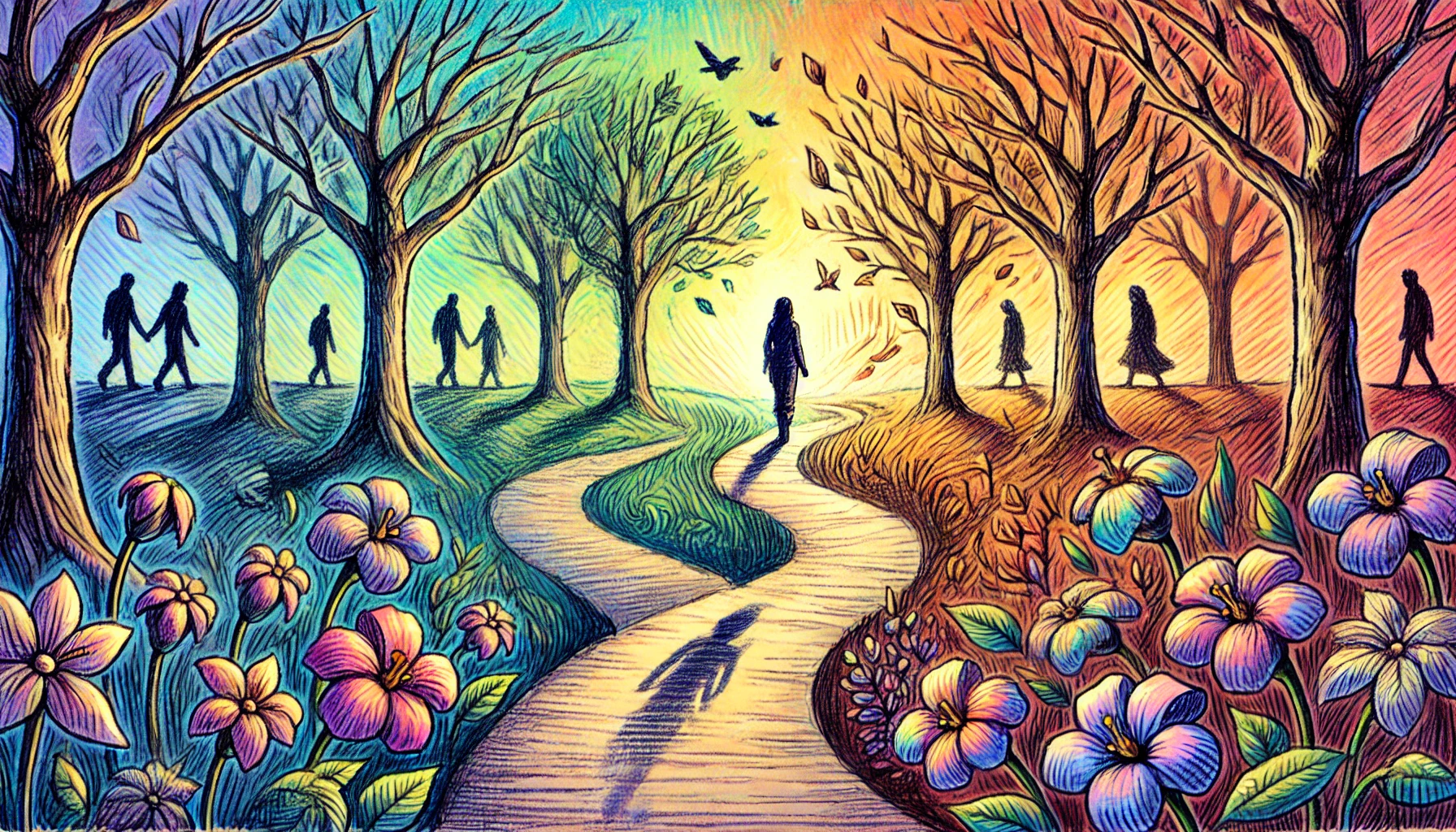
Personal development is an essential aspect of life, enabling us to grow, achieve our goals, and become better versions of ourselves. However, as we evolve, we may find that some friendships no longer fit into our lives as they once did. Losing friends during your personal development journey can be a painful experience, leaving you feeling isolated, misunderstood, or even guilty. Yet, it’s important to recognize that this is a natural part of growth and that moving forward is essential for your well-being.
Coping with the loss of friends during personal development requires a combination of self-reflection, acceptance, and self-care. While it’s difficult to see relationships change or end, understanding that these shifts are often necessary for your continued growth can help you navigate this period with grace. In this blog, we’ll explore strategies for coping with losing friends during your personal development journey, ensuring that you remain focused on your growth while honoring the role these friendships played in your life.
1. Acknowledge the Reality of Change
- Recognize that change is an inherent part of personal development. As you grow and evolve, it’s natural that some friendships may no longer align with your new values, goals, or interests.
- Accept that losing friends is often a byproduct of growth. It doesn’t diminish the importance of the friendship or the memories you’ve shared; it simply reflects your changing needs and circumstances.
- Understand that not all friendships are meant to last forever. Some relationships are temporary, serving a specific purpose in your life journey.
- Acknowledge the feelings of loss, sadness, or confusion that come with these changes, but avoid dwelling on them to the detriment of your personal growth.
- By accepting the reality of change, you can begin to move forward and focus on the positive aspects of your development.
2. Reflect on the Friendship’s Impact
- Take time to reflect on the role the friendship played in your life. Consider the positive experiences, lessons learned, and support you received during the relationship.
- Acknowledge the ways in which the friendship contributed to your growth, whether it was through shared challenges, encouragement, or simply being there during important moments.
- Reflect on the reasons why the friendship may have ended or changed, considering both your own growth and the possible differences that emerged over time.
- Use this reflection as an opportunity to express gratitude for the friendship, even if it no longer fits into your life as it once did.
- Reflecting on the friendship’s impact helps you appreciate its value while also recognizing that it’s okay to let go.
3. Honor Your Feelings of Grief
- Losing a friend during your personal development journey can feel like a significant loss, and it’s important to honor the grief that comes with it.
- Allow yourself to feel the sadness, disappointment, or even anger that may arise from the loss. These emotions are a natural response to the end of a meaningful relationship.
- Give yourself permission to grieve in your own way, whether it’s through journaling, talking to a trusted confidant, or simply taking time to process your feelings.
- Understand that grief is not linear; you may experience waves of emotions as you adjust to the changes in your friendship.
- Honoring your grief allows you to process the loss in a healthy way, paving the path for healing and moving forward.
4. Focus on Your Personal Growth
- While it’s natural to mourn the loss of a friendship, it’s essential to stay focused on your personal development goals. Remember why you embarked on this journey and the positive changes it’s bringing to your life.
- Reflect on the progress you’ve made, recognizing the ways in which you’ve grown and how these changes are contributing to your overall well-being.
- Use the experience of losing a friend as motivation to continue pursuing your goals and embracing your personal growth.
- Engage in activities that support your development, such as learning new skills, practicing self-care, or surrounding yourself with positive influences.
- Focusing on your personal growth helps you maintain momentum and reinforces the idea that the changes in your friendships are a necessary part of your journey.
5. Surround Yourself with Supportive Relationships
- As you navigate the loss of a friendship, it’s important to surround yourself with people who support and uplift you. Seek out friends, family, or mentors who understand and encourage your personal growth.
- Reconnect with existing relationships that align with your current values and goals. These connections can provide comfort and a sense of belonging during this transitional period.
- Consider seeking out new friendships that reflect your evolving interests and aspirations. Engaging in activities or communities that resonate with your growth can help you build meaningful connections.
- Don’t be afraid to lean on others for support during this time. Sharing your experiences with those who care about you can provide emotional relief and perspective.
- Surrounding yourself with supportive relationships ensures that you have a strong network to help you cope with the loss and continue growing.
6. Embrace Solitude as a Time for Reflection
- The loss of a friendship can sometimes lead to periods of solitude. Embrace this time as an opportunity for self-reflection and introspection.
- Use solitude to explore your thoughts, feelings, and aspirations without external influences. This can help you gain clarity on your personal development journey.
- Reflect on what you’ve learned from the friendship and how you can apply these lessons to future relationships and your continued growth.
- Solitude can also be a time for self-discovery, allowing you to deepen your understanding of who you are and what you want from your relationships.
- Embracing solitude helps you process the loss while also creating space for new growth and possibilities.
7. Let Go of Guilt and Self-Blame
- It’s common to feel guilt or self-blame when a friendship ends, especially if you believe your personal growth contributed to the changes. However, it’s important to let go of these feelings.
- Understand that growth often involves making difficult choices, and sometimes these choices lead to the natural ending of certain relationships.
- Recognize that you are not responsible for how others react to your growth. Each person has their own journey, and sometimes those journeys diverge.
- Practice self-compassion by acknowledging that you’ve made decisions that are best for your well-being, and that’s something to be proud of.
- Letting go of guilt and self-blame allows you to move forward with a sense of peace and confidence in your personal development.
8. Embrace the Possibility of Reconnecting
- While some friendships may end permanently, others may simply require time and space before reconnecting. Embrace the possibility that you and your friend may reconnect in the future.
- Keep the lines of communication open, even if you need time apart. A simple message or occasional check-in can leave the door open for future reconnection.
- Understand that both you and your friend may need time to adjust to the changes in your lives before rekindling the friendship.
- Be open to the idea that the friendship may evolve into a different form, such as becoming less frequent but more meaningful.
- Embracing the possibility of reconnecting allows you to remain hopeful and open to the idea that some relationships can continue in new and positive ways.
9. Learn from the Experience
- Losing a friend during your personal development journey can offer valuable lessons that contribute to your growth.
- Reflect on what you’ve learned about yourself, your values, and your relationships through this experience.
- Consider how you can apply these lessons to future friendships, ensuring that your relationships align more closely with your evolving identity.
- Use the experience to refine your understanding of what you need from your friendships and how to communicate these needs effectively.
- Learning from the experience helps you grow stronger and wiser, equipping you with the tools to navigate future relationships with greater clarity and purpose.
10. Look Forward to New Connections
- As you continue your personal development journey, look forward to the new connections you will make along the way.
- Trust that as you grow, you will attract people who resonate with your current values, goals, and interests, leading to more fulfilling and aligned friendships.
- Be open to meeting new people and exploring new social circles that reflect your evolving identity.
- Understand that the end of one friendship often makes space for new relationships that better support your growth and well-being.
- Looking forward to new connections helps you stay positive and optimistic about the future, ensuring that your personal development journey is a source of joy and fulfillment.
In conclusion, losing friends during your personal development journey can be a challenging experience, but it’s also a natural part of growth. By acknowledging the changes, honoring your feelings, and focusing on your continued development, you can navigate this period with grace and resilience. Remember that every ending is an opportunity for a new beginning, and as you evolve, you will find friendships that better align with your path.