
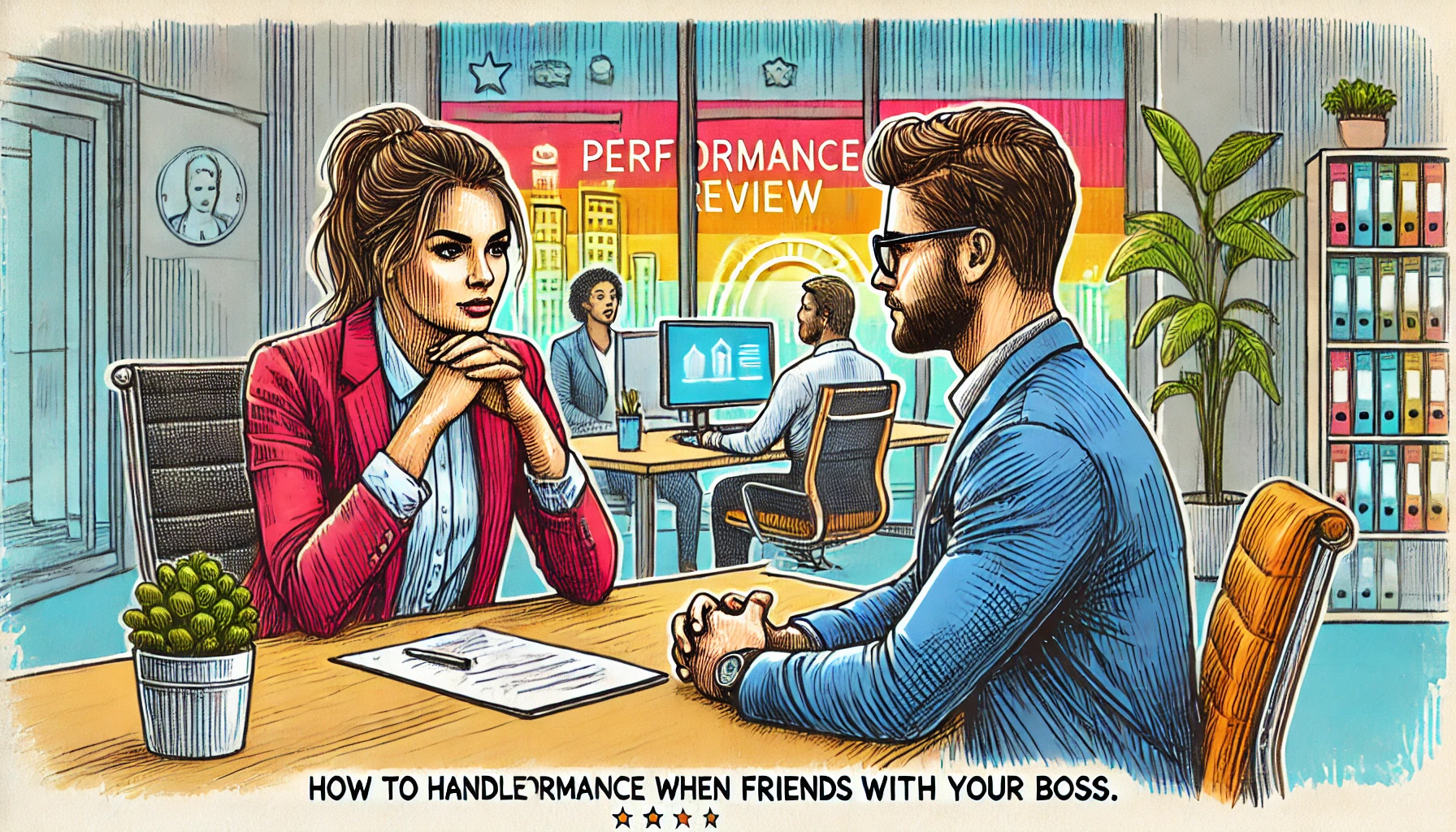
Performance reviews can be challenging, especially when you’re friends with your boss. Balancing your personal relationship with the need for a fair, honest evaluation requires careful handling to ensure that the review is both constructive and professional. It’s essential to approach the review with an understanding of the potential complications and a commitment to maintaining objectivity, transparency, and professionalism. By managing this process effectively, you can preserve your friendship while also focusing on your career development.
This blog will explore strategies for handling performance reviews when you’re friends with your boss, helping you navigate this delicate situation with integrity and respect.
1. Prepare for the Review with a Professional Mindset
- Approach the review as you would with any other manager. Focus on your work performance, achievements, and areas for improvement, rather than the personal aspects of your relationship.
- Set clear professional goals before the review. Having specific, measurable objectives can help guide the discussion and keep it focused on your career development.
- Gather evidence of your accomplishments. Prepare a list of your key achievements, contributions, and any feedback you’ve received from colleagues or clients to support your discussion.
- Be ready to discuss challenges and areas for growth. Acknowledge any difficulties you’ve faced and be open to constructive criticism, focusing on how you can improve.
- Separate personal feelings from professional feedback. Approach the review with an open mind, and avoid letting your personal relationship influence your perception of the feedback.
2. Maintain Objectivity During the Review
- Focus on work-related topics. Keep the discussion centered on your performance, skills, and contributions to the team, avoiding personal anecdotes or unrelated topics.
- Treat the review as an opportunity for professional growth. Use the feedback to identify areas where you can develop your skills and enhance your career, rather than seeing it as a reflection of your friendship.
- Ask for specific examples. If your boss provides feedback, whether positive or critical, ask for concrete examples to help you understand their perspective and apply the feedback effectively.
- Keep your responses professional. Respond to feedback with a focus on how you can improve or build on your strengths, avoiding defensive or emotional reactions.
- Acknowledge the power dynamic. Remember that, despite your friendship, your boss is in a position of authority and has a responsibility to provide an honest assessment of your performance.
3. Be Transparent and Honest in Your Self-Evaluation
- Reflect on your performance objectively. Before the review, take time to assess your own strengths, weaknesses, and areas for improvement, being honest about your achievements and challenges.
- Communicate your professional goals clearly. Let your boss know what you hope to achieve in your role and how you plan to contribute to the team’s success.
- Be open about any challenges you’ve faced. If there are areas where you’ve struggled, acknowledge them and discuss how you plan to address these challenges moving forward.
- Provide examples of your contributions. Highlight specific projects or tasks where you’ve made a significant impact, supporting your self-evaluation with evidence.
- Be honest about your relationship with your boss. If you feel that your friendship could influence the review, address it openly, and express your commitment to maintaining a professional approach.
4. Address Potential Biases Directly
- Acknowledge the potential for bias. Recognize that your friendship with your boss could unintentionally influence their feedback, and be open to discussing this concern during the review.
- Encourage your boss to provide objective feedback. Ask them to focus on your work performance and specific examples, rather than letting your personal relationship affect their evaluation.
- Suggest involving a third party if necessary. If you or your boss feel that the friendship might compromise the objectivity of the review, consider involving another manager or HR representative to provide an additional perspective.
- Avoid seeking special treatment. Make it clear that you expect to be evaluated based on your performance, not your personal relationship, and reinforce your commitment to fairness.
- Discuss how to separate personal and professional feedback. If your boss offers feedback that seems influenced by your friendship, gently steer the conversation back to work-related topics.
5. Focus on Professional Development
- Use the review as an opportunity to discuss your career growth. Explore how you can develop your skills, take on new responsibilities, or work towards a promotion, ensuring the conversation remains focused on your professional development.
- Ask for specific development opportunities. If your boss suggests areas for improvement, inquire about resources, training, or projects that can help you grow in those areas.
- Set clear, measurable goals for the future. Work with your boss to establish concrete objectives for the next review period, ensuring that these goals align with your career aspirations.
- Seek regular feedback beyond the review. Ask your boss for ongoing feedback throughout the year to ensure you’re on track and to keep the focus on continuous improvement.
- Demonstrate a proactive approach to your development. Show that you’re committed to taking the necessary steps to improve your performance and advance in your career.
6. Respect the Professional Boundaries of the Review
- Treat the review as a formal process. Even if you’re close friends with your boss, approach the review with the same level of professionalism and respect you would with any other manager.
- Avoid bringing personal issues into the discussion. Keep the conversation focused on work-related topics, and resist the urge to discuss personal matters that aren’t relevant to your performance.
- Respect your boss’s authority during the review. Acknowledge their role as your manager and their responsibility to provide an honest assessment of your work, even if it’s difficult to hear.
- Follow up on any action items or goals discussed. After the review, take proactive steps to address any feedback or goals, demonstrating your commitment to improving your performance.
- Keep the review confidential. Respect the privacy of the review process, and avoid discussing the details of your evaluation with colleagues or bringing it up in personal conversations with your boss.
7. Handle Feedback Gracefully
- Accept constructive criticism with an open mind. Understand that feedback is an essential part of professional growth, and approach it as an opportunity to learn and improve.
- Express gratitude for the feedback. Thank your boss for their insights, and let them know that you appreciate their effort to help you grow in your role.
- Ask clarifying questions if needed. If any feedback is unclear, ask for further explanation to ensure you fully understand the areas where you need to improve.
- Avoid taking feedback personally. Remember that the feedback is about your work performance, not your personal relationship, and focus on how you can use it to advance in your career.
- Use positive feedback to build on your strengths. Celebrate your successes and think about how you can leverage your strengths to achieve even greater success in the future.
8. Reassess the Friendship if Necessary
- Recognize when the friendship is affecting your work. If you feel that your relationship with your boss is compromising the objectivity of the review or impacting your work, it may be time to reassess the friendship.
- Be prepared to adjust the dynamics of the relationship. If necessary, consider taking a step back from the friendship to focus on maintaining professionalism and objectivity in your work.
- Prioritize your long-term career goals. If the friendship is hindering your professional development, make decisions that prioritize your career growth and success.
- Seek advice from a mentor or HR if needed. If you’re unsure how to handle the situation, consult with HR or a trusted mentor for guidance on how to navigate the relationship and the review process.
- Reflect on the impact of the friendship on your career. Consider how the relationship is affecting your professional reputation and growth, and take steps to ensure that your career remains on track.
9. Follow Up After the Review
- Schedule regular check-ins with your boss. Following the review, set up regular meetings to discuss your progress, address any ongoing concerns, and ensure you’re meeting your goals.
- Take action on the feedback you received. Implement any suggestions or improvements discussed during the review to show your commitment to professional growth.
- Monitor your progress and document achievements. Keep track of your progress towards the goals set during the review and document any achievements or improvements you make.
- Seek feedback from other colleagues. In addition to your boss’s input, ask for feedback from peers or other managers to gain a well-rounded perspective on your performance.
- Reflect on the review process and your relationship with your boss. Consider how the review went and whether the friendship affected the outcome, and make any necessary adjustments to maintain a healthy balance between personal and professional boundaries.
Handling performance reviews when you’re friends with your boss requires a thoughtful approach that balances your personal relationship with your professional responsibilities. By maintaining objectivity, focusing on professional development, and respecting the boundaries of the review process, you can navigate this situation effectively and ensure that both your friendship and your career continue to thrive. Remember, the key is to approach the review with integrity, transparency, and a commitment to professional growth.