
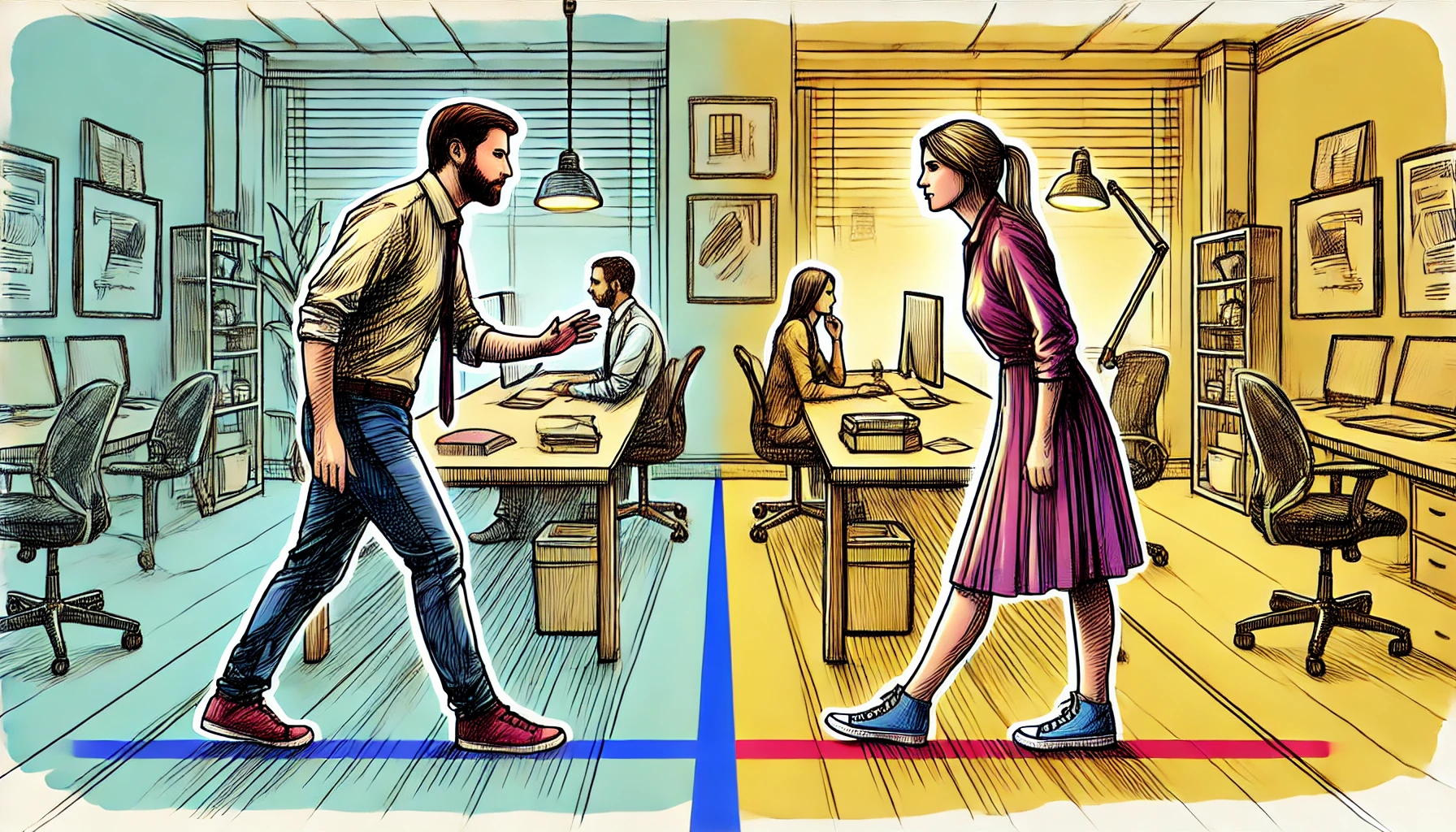
Balancing work and friendship can be one of the most rewarding yet challenging aspects of professional life. On one hand, workplace friendships can increase job satisfaction, improve collaboration, and provide emotional support. On the other hand, the close nature of these relationships can blur boundaries, potentially leading to conflicts of interest, favoritism, or misunderstandings. Knowing when to draw the line between work and friendship is crucial to maintaining both a productive work environment and healthy personal relationships.
Navigating this balance requires setting clear boundaries, maintaining professionalism, and being mindful of the potential impact your personal relationships may have on your work responsibilities and team dynamics. By understanding when and how to draw the line, you can enjoy the benefits of workplace friendships without compromising your professional integrity or the success of your team.
1. Recognize the Importance of Boundaries
- Understand that boundaries are essential for maintaining professionalism and preventing personal relationships from interfering with work responsibilities.
- Establish clear boundaries from the start of the friendship, defining what is appropriate in the workplace versus outside of work.
- Communicate openly with your friend about the need to maintain professional boundaries, ensuring that both parties are on the same page.
- Respect each other’s roles and responsibilities at work, even when your personal relationship is close, to avoid potential conflicts of interest.
- Reevaluate and adjust boundaries as necessary, particularly if your roles or responsibilities within the organization change.
2. Maintain Objectivity in Decision-Making
- Ensure that your personal relationship does not influence your professional decisions, particularly in areas such as project assignments, evaluations, or promotions.
- Make decisions based on objective criteria, such as performance, skills, and qualifications, rather than personal feelings or friendships.
- If you are in a position of authority, treat your friend the same way you would any other employee, avoiding any favoritism or special treatment.
- Seek input from other colleagues or supervisors when making decisions that could be influenced by your personal relationship, to ensure fairness and impartiality.
- Be aware of how your decisions may be perceived by others, and take steps to mitigate any potential biases or conflicts of interest.
3. Set Limits on Personal Discussions at Work
- While it’s natural to have personal conversations with friends at work, it’s important to set limits to ensure that work tasks remain the primary focus.
- Reserve personal discussions for breaks or after work hours, keeping work-related interactions professional and focused on business objectives.
- Avoid discussing sensitive personal matters in the workplace, as this can create discomfort or distractions for other colleagues.
- Be mindful of how much time you spend socializing with your friend during work hours, ensuring that it does not detract from your productivity or responsibilities.
- If personal issues arise that could affect your work performance, address them privately and professionally, rather than allowing them to spill over into the workplace.
4. Handle Conflicts with Professionalism
- If conflicts arise between your personal relationship and your professional responsibilities, address them directly and professionally, focusing on finding a resolution.
- Keep the conversation focused on work-related issues, avoiding personal attacks or emotional responses that could escalate the conflict.
- If the conflict involves work performance or behavior, approach the conversation with empathy but maintain a professional tone and setting.
- Be prepared to make difficult decisions that prioritize the needs of the organization over your personal relationship, when necessary.
- Seek mediation or support from HR or a neutral third party if the conflict is particularly challenging or if you need help maintaining objectivity.
5. Be Transparent About Your Relationship
- Be open with your colleagues and supervisors about your friendship, particularly if it could affect your work or lead to potential conflicts of interest.
- Disclose any potential biases or conflicts that could arise from your relationship, and take steps to mitigate them, such as recusing yourself from certain decisions.
- Avoid creating the perception of favoritism by ensuring that your friendship does not interfere with your professional responsibilities or the team’s dynamics.
- Be transparent about how decisions are made in situations involving your friend, and ensure that they are based on objective criteria and communicated clearly to the team.
- Regularly assess how your friendship is perceived by others in the workplace, and make adjustments as needed to maintain transparency and professionalism.
6. Prioritize Work Responsibilities
- Always prioritize your work obligations over personal relationships, ensuring that you meet deadlines, fulfill job duties, and contribute to the success of your team.
- If you need to make a decision that could impact your friend, consider how it aligns with your professional responsibilities and the organization’s goals.
- Avoid allowing personal feelings or relationships to distract you from your work or to influence your judgment in professional matters.
- Communicate your work commitments clearly to your friend, ensuring that they understand when you need to focus on your professional tasks.
- If your friendship begins to interfere with your work performance, take steps to refocus on your responsibilities and reestablish professional boundaries.
7. Encourage Inclusivity in the Workplace
- Avoid forming cliques or exclusive groups with your friend, as this can create division or resentment among other colleagues.
- Promote a culture of inclusivity by involving other team members in discussions, decisions, and social activities, regardless of personal relationships.
- Ensure that all colleagues feel valued and included, regardless of their relationship with you or your friend, fostering a positive and collaborative work environment.
- Be mindful of how your friendship might affect team dynamics, and take steps to ensure that it does not create tension or favoritism within the group.
- Encourage open communication and teamwork, where everyone’s contributions are recognized and respected, regardless of personal relationships.
8. Handle Performance Reviews with Objectivity
- When conducting performance reviews with a friend, approach the process with the same level of professionalism and objectivity as you would with any other employee.
- Focus on specific, measurable outcomes and provide balanced feedback that highlights both strengths and areas for improvement.
- Avoid letting your personal relationship influence the review process, ensuring that your evaluation is based on objective criteria and evidence.
- Document the review process and feedback provided to create a clear, transparent record that supports your decisions and actions.
- Be prepared to have difficult conversations if necessary, and maintain a professional tone and setting to ensure that the review remains focused on work-related issues.
9. Reflect on the Balance Regularly
- Take time to reflect on how well you are balancing your personal and professional relationships, and make adjustments as needed to maintain this balance.
- Ask for feedback from your friend and other colleagues to gain perspective on how your actions are perceived and whether they are affecting your work.
- Be honest with yourself about whether your friendship is impacting your work performance or responsibilities, and take steps to address any issues.
- Regularly review your approach to managing personal relationships in the workplace to ensure that you are upholding the values of professionalism and fairness.
- Consider the long-term implications of your actions on your career, your friend’s career, and the overall work environment, making changes as necessary to maintain a healthy balance.
10. Know When to Distance Yourself
- Recognize that there may be times when it is necessary to distance yourself from your friend to focus on your professional responsibilities or to avoid conflicts of interest.
- If your friendship is affecting your ability to perform your job effectively or is creating tension within the team, consider taking a step back to reestablish professional boundaries.
- Communicate your decision to your friend respectfully and empathetically, explaining that it is necessary to prioritize your work obligations.
- Be willing to reevaluate the relationship if it continues to interfere with your work, and take further steps if necessary to maintain professionalism and integrity.
- Remember that distancing yourself does not mean ending the friendship, but rather recognizing the importance of maintaining a balance between personal and professional roles.
Balancing work and friendship is a complex task that requires a thoughtful approach to maintaining professionalism, fairness, and integrity. By setting clear boundaries, prioritizing your work responsibilities, and being mindful of the potential impact of your personal relationships, you can successfully navigate these challenges. Ultimately, the goal is to create a work environment where both your professional obligations and personal connections can thrive, allowing you to succeed in your career while preserving meaningful friendships.