
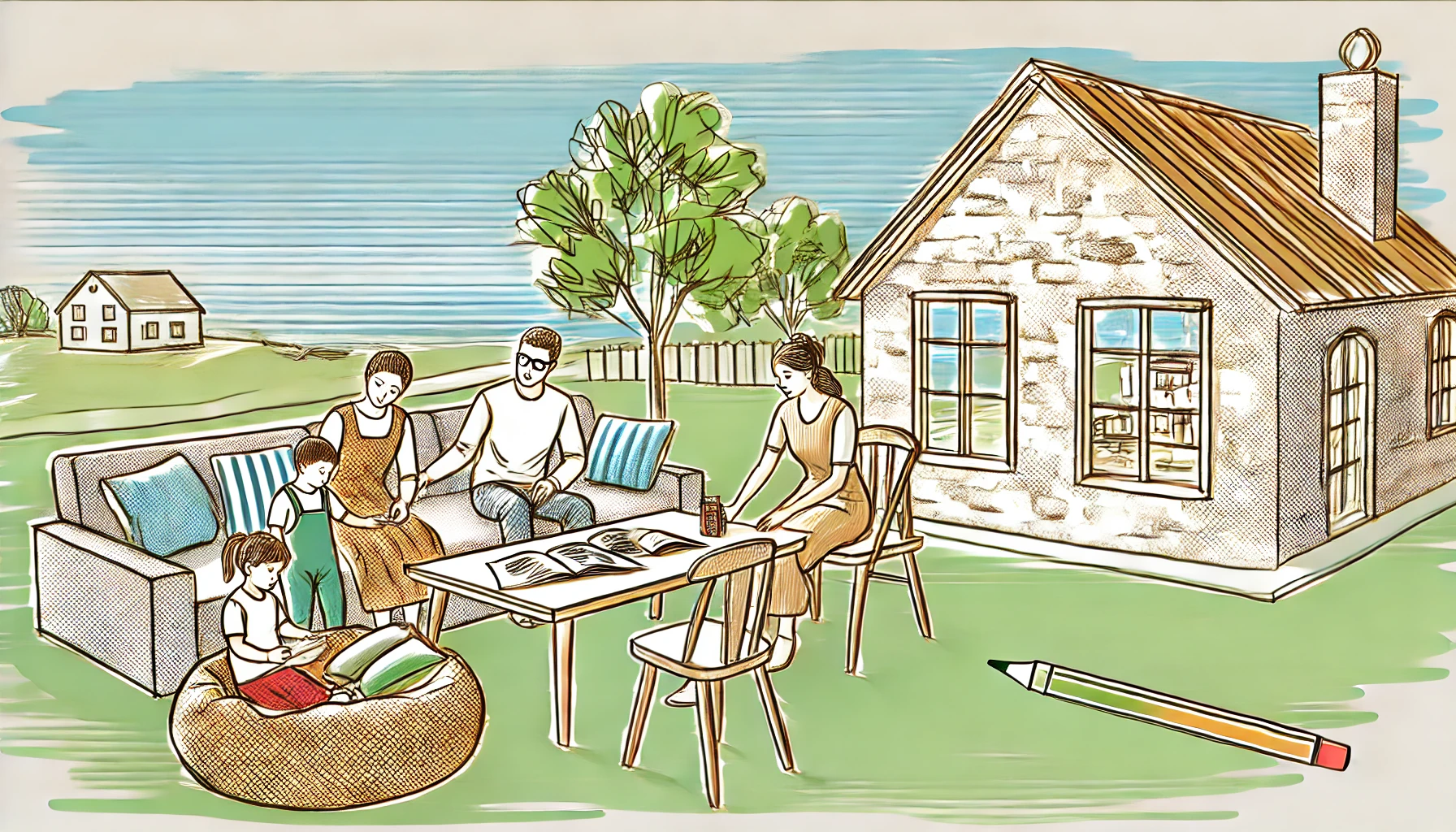
Divorce is a significant life change that can be particularly challenging for children. The disruption of their family structure often leads to feelings of uncertainty, anxiety, and confusion. In such times, consistency becomes a vital tool in helping children adjust to their new reality. Maintaining consistency in routines, communication, and parenting styles provides children with a sense of stability and security, which is crucial for their emotional well-being. This blog explores the critical role that consistency plays in helping children navigate the complexities of divorce, offering practical strategies for parents to implement.
Children thrive on routine and predictability. When their environment changes due to divorce, they may struggle to feel secure and grounded. Consistency helps counteract these feelings by providing a familiar structure in their daily lives. Whether it’s through maintaining regular schedules, keeping communication open, or ensuring that both parents are on the same page, consistent practices can significantly ease the transition for children. Let’s delve into ten ways that consistency can help your children adjust to divorce and how you can incorporate it into your family dynamics.
1. Maintaining Regular Routines
- Regular routines provide a sense of normalcy for children during a time of significant change. They know what to expect each day, which can be comforting.
- Keeping consistent bedtimes, meal times, and homework schedules helps children maintain their usual activities, despite the upheaval caused by the divorce.
- Routine also supports children’s physical health, ensuring they get enough sleep and maintain healthy eating habits, which can be disrupted during stressful times.
- Familiar routines can act as an anchor, giving children something stable to rely on even when other aspects of their lives feel uncertain.
- Parents should communicate and coordinate routines across both households to minimize disruptions and confusion for the children.
2. Consistent Communication
- Open and consistent communication between parents and children is crucial in helping them understand and process the changes brought by divorce.
- Regularly check in with your children about how they are feeling and address any concerns or questions they may have.
- Consistency in communication also involves both parents sharing the same messages with their children to avoid confusion and ensure a unified approach.
- Establish a routine for when and how you will talk to your children, such as during dinner or before bed, so they know when they can express their feelings.
- Encourage your children to communicate openly, reassuring them that their thoughts and emotions are important and will be heard.
3. Unified Parenting Approach
- A unified parenting approach means that both parents are consistent in their rules, expectations, and disciplinary methods, regardless of the household.
- Consistency in parenting styles helps children understand boundaries and expectations, reducing confusion and potential behavioral issues.
- Work together with your ex-spouse to establish agreed-upon rules and consequences, ensuring that your children receive the same guidance and discipline in both homes.
- Avoid contradicting each other’s parenting decisions in front of the children, as this can undermine authority and create instability.
- Regular communication between parents about parenting strategies and any changes is key to maintaining a consistent approach.
4. Stability in Living Arrangements
- Consistent living arrangements provide children with a stable environment, helping them feel more secure after the divorce.
- Whenever possible, keep your children in the same home, school, and community to minimize the impact of the divorce on their daily lives.
- If moving between homes, establish a predictable schedule so children know where they will be and when, reducing anxiety about transitions.
- Provide consistency in their living spaces by allowing them to have personal items and routines in both homes, creating a sense of belonging.
- Ensure that both homes are equipped with the essentials they need, so they feel comfortable and at ease regardless of where they are staying.
5. Consistent Emotional Support
- Consistent emotional support involves regularly reassuring your children that they are loved and valued by both parents, despite the divorce.
- Be available to listen to their concerns and provide comfort whenever they need it, showing that your support is unwavering.
- Encourage both parents to be equally involved in their children’s lives, providing balanced emotional support across both households.
- Regularly remind your children that they are not to blame for the divorce and that both parents will continue to be there for them.
- Seek professional support, such as counseling, if your child is struggling emotionally, ensuring that they receive consistent care and guidance.
6. Coordinated School and Extracurricular Activities
- Keep your child’s school and extracurricular activities consistent to provide continuity in their social life and personal interests.
- Ensure that both parents are involved in school-related decisions and activities, maintaining a stable support system for your child’s education.
- Coordinate attendance at parent-teacher meetings, sports events, and other activities to show unified support for your child’s development.
- Avoid making sudden changes to their activities, as maintaining these routines helps provide a sense of normalcy and stability.
- Communicate with teachers and coaches about the divorce to ensure they understand the situation and can provide additional support if needed.
7. Predictable Visitation Schedules
- Predictable visitation schedules help children adjust to the new family dynamic by providing a clear and consistent structure for when they will see each parent.
- Create a visitation plan that works for both parents and the children, ensuring that it is reliable and easy for the children to follow.
- Stick to the agreed-upon schedule as closely as possible, as last-minute changes can create uncertainty and anxiety for children.
- Use visual aids, such as calendars, to help younger children understand and anticipate the visitation schedule.
- Regularly review and adjust the visitation schedule as needed, based on the children’s needs and any changes in circumstances, while maintaining as much consistency as possible.
8. Consistent Financial Support
- Consistent financial support is crucial in ensuring that your children’s needs are met without disruption, contributing to their sense of stability.
- Both parents should commit to regular financial contributions, covering expenses such as school fees, extracurricular activities, and daily necessities.
- Avoid making sudden changes to your child’s lifestyle due to financial reasons, as this can increase their sense of instability.
- Discuss and agree on how financial responsibilities will be shared between both parents to avoid any potential conflicts that could affect the children.
- Ensure that financial discussions are kept private and do not involve the children, as this can cause unnecessary stress and worry.
9. Continuity in Family Traditions
- Maintaining family traditions provides a sense of continuity for children, helping them feel connected to their family despite the divorce.
- Continue celebrating holidays, birthdays, and other special occasions in a way that reflects the family’s traditions, even if adjustments are needed.
- Work together with your ex-spouse to create new traditions that can be celebrated in both households, fostering a sense of unity and stability.
- Encourage your children to participate in family traditions, helping them maintain a sense of normalcy and belonging.
- Discuss with your children which traditions are most important to them, ensuring that these continue to be honored and cherished.
10. Regular Check-Ins and Reassessments
- Regular check-ins allow parents to assess how their children are adjusting to the divorce and whether any changes are needed to maintain consistency.
- Use these check-ins to discuss your child’s feelings, behaviors, and any concerns they may have about the changes in their lives.
- Reassess routines, schedules, and parenting strategies periodically to ensure they are still meeting your child’s needs and providing the necessary stability.
- Be open to making adjustments if your child is struggling with certain aspects of the divorce, but always aim to maintain as much consistency as possible.
- Regularly communicate with your ex-spouse about how the children are doing and any changes that may be necessary to support their adjustment.
In conclusion, consistency plays a crucial role in helping children adjust to the challenges of divorce. By maintaining regular routines, providing stable living arrangements, and ensuring consistent communication and emotional support, parents can create a secure environment that helps their children feel more grounded during this difficult time. Remember, the key to successful co-parenting after divorce lies in both parents working together to provide a unified and consistent approach to their children’s care and well-being. The more consistency you can provide, the better equipped your children will be to navigate the changes and move forward with resilience and confidence.