
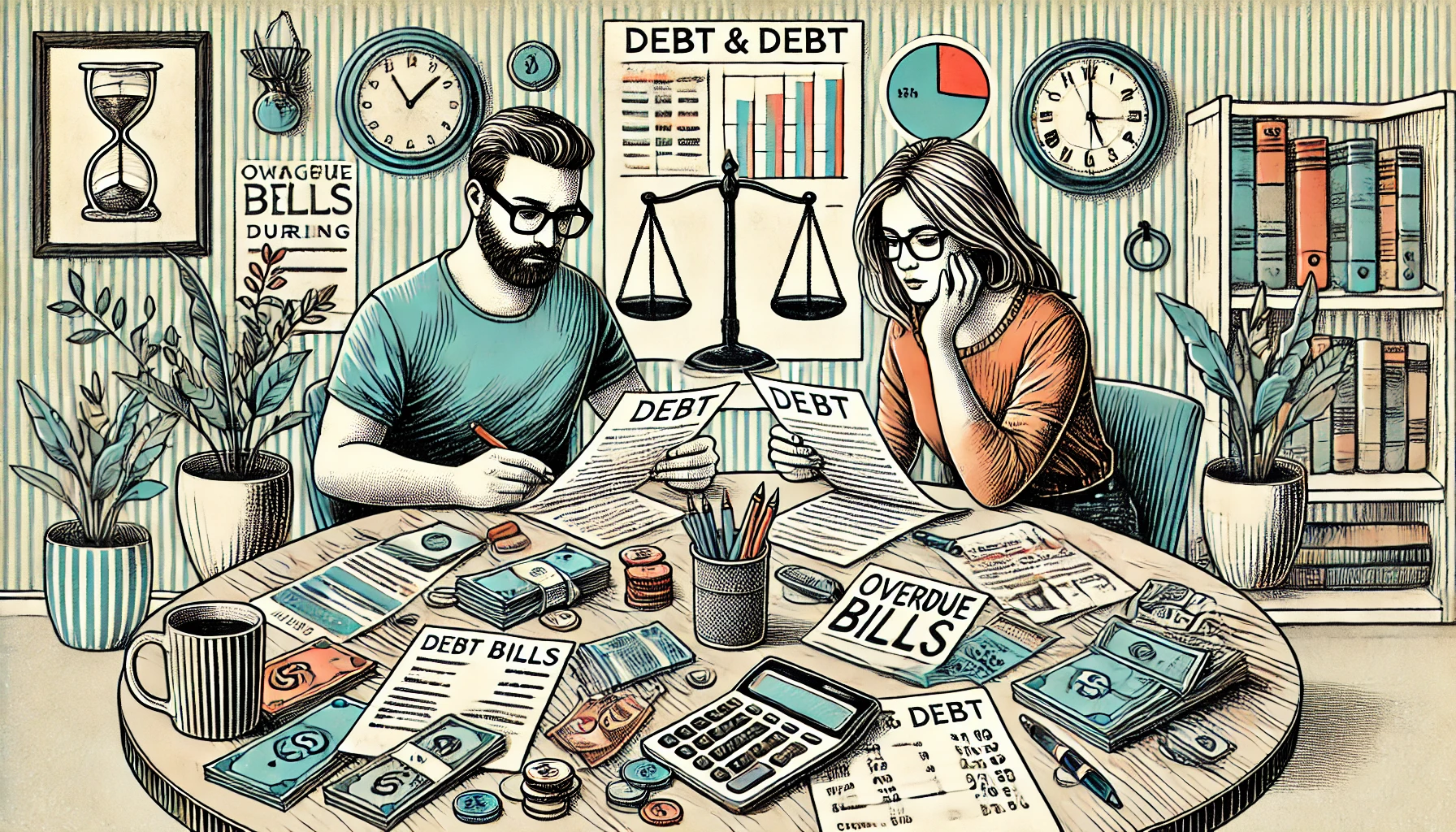
Divorce is a life-altering event that brings with it emotional and financial challenges. One of the most complex financial issues to navigate during divorce is the management and division of debt. While dividing assets can be difficult, handling debt requires careful planning and a clear understanding of both parties’ obligations and liabilities. Mishandling debt during divorce can lead to long-term financial strain, credit damage, and ongoing legal disputes.
Managing debt during divorce involves more than simply splitting up who owes what. It requires a strategic approach to ensure that debts are paid off fairly and that both parties can move forward without undue financial burden. Whether dealing with mortgages, credit card debt, car loans, or other liabilities, it’s crucial to take proactive steps to protect your financial future. Below are ten essential strategies to help you manage debt effectively during divorce.
1. List All Debts and Liabilities
- Start by creating a comprehensive list of all debts and liabilities accumulated during the marriage, including mortgages, car loans, credit card balances, personal loans, and any other outstanding obligations.
- Determine whether each debt is joint or individual. Joint debts are those in both spouses’ names, while individual debts are in one spouse’s name only, but may still be considered marital debt depending on the jurisdiction.
- Be sure to include any debts that may not be immediately obvious, such as medical bills, student loans, or outstanding tax liabilities.
- Gather all relevant documentation for each debt, including account statements, loan agreements, and payment histories, to ensure accuracy in the division process.
- Understanding the full scope of your liabilities is the first step in ensuring that debts are divided fairly and responsibly.
2. Understand the Legal Framework for Debt Division
- Debt division in divorce is governed by state law, which may follow either community property or equitable distribution principles. Knowing how your state handles debt division is crucial.
- In community property states, debts incurred during the marriage are typically divided equally, regardless of who incurred them. In equitable distribution states, debts are divided fairly, but not necessarily equally, based on factors like income and financial need.
- Some states may hold one spouse responsible for debts that directly benefited them, such as business loans or education expenses, even if the debt is considered marital.
- Understand that creditors are not bound by the terms of your divorce decree and can pursue either spouse for joint debts if payments are not made.
- Consulting with an attorney can help you navigate the legal complexities of debt division and ensure that your rights are protected.
3. Close or Freeze Joint Accounts
- To prevent further debt accumulation during the divorce process, it’s important to close or freeze joint accounts, such as credit cards or lines of credit.
- Closing accounts ensures that no additional charges can be made by either party, which could complicate the debt division process and lead to future disputes.
- If you cannot close a joint account immediately, request that the account be frozen to prevent new charges and notify the creditor in writing of your pending divorce.
- Consider transferring balances from joint accounts to individual accounts where possible, ensuring that each party is responsible for their share of the debt.
- Taking these steps helps protect your credit and financial standing while the divorce is being finalized.
4. Refinance or Pay Off Marital Debts
- Refinancing joint debts into individual names is often a good strategy to ensure that each spouse is responsible for their share of the debt post-divorce.
- For example, if one spouse plans to keep the family home, refinancing the mortgage into their name alone can protect the other spouse from being liable if payments are missed.
- Paying off joint debts before the divorce is finalized can simplify the division process and prevent future disputes. This may involve selling assets or using savings to clear debts.
- If paying off debts isn’t feasible, create a clear plan for how payments will be managed during and after the divorce, specifying who is responsible for each debt.
- Refinancing or paying off debts can provide financial clarity and prevent ongoing financial entanglements between ex-spouses.
5. Address Mortgage and Home Equity Debt
- The family home is often one of the most significant debts in a divorce, and deciding how to handle the mortgage requires careful consideration.
- If one spouse wants to keep the home, they may need to refinance the mortgage in their name, which involves qualifying for a loan based on their income and credit.
- If refinancing isn’t possible, selling the home and dividing the proceeds can be a practical solution, allowing both parties to move on without the burden of joint debt.
- Home equity loans or lines of credit also need to be addressed. These should be paid off or refinanced into the name of the spouse who will retain the property.
- Ensuring that mortgage and home equity debts are managed properly can prevent future credit issues and financial disputes.
6. Consider the Impact of Debt on Credit Scores
- Divorce can impact your credit score, especially if joint debts are not managed properly or if one spouse fails to make agreed-upon payments.
- Monitor your credit report regularly during and after the divorce to identify any issues, such as missed payments or unauthorized charges, that could harm your credit.
- Consider placing a credit freeze or alert on your accounts to prevent your ex-spouse from opening new accounts or taking on additional debt in your name.
- Be proactive in addressing any credit issues that arise, such as disputing errors or working with creditors to resolve outstanding debts.
- Maintaining a good credit score is essential for financial stability post-divorce, especially if you need to secure housing, loans, or new credit accounts.
7. Negotiate Debt Division Fairly
- When negotiating debt division, aim for a fair settlement that considers both parties’ financial situations, including income, assets, and future earning potential.
- Be prepared to compromise, especially if one spouse is taking on more debt in exchange for a larger share of assets, such as the family home or retirement accounts.
- Ensure that any debt division agreement is detailed and legally binding, specifying who is responsible for each debt and how payments will be made.
- If possible, work with a mediator or financial advisor to negotiate a debt division plan that is fair and realistic for both parties.
- Fair negotiation helps prevent future disputes and ensures that both parties can manage their financial obligations post-divorce.
8. Protect Yourself from Future Liability
- It’s important to protect yourself from future liability for joint debts, even after the divorce is finalized. Ensure that your name is removed from any debts that your ex-spouse is responsible for.
- Obtain a written agreement from your spouse confirming their responsibility for specific debts and consider including indemnification clauses in your divorce settlement.
- Regularly check your credit report to ensure that your ex-spouse is making payments on any debts they retained, and take action if payments are missed.
- Consider working with an attorney to draft agreements that protect you from future liability, especially if your ex-spouse has a history of financial irresponsibility.
- Taking these precautions can help you avoid being held accountable for debts that you no longer control.
9. Plan for Future Financial Security
- Managing debt during divorce is not just about addressing immediate obligations; it’s also about planning for your long-term financial security.
- Create a post-divorce budget that reflects your new income, expenses, and debt obligations, ensuring that you can meet all your financial needs.
- Prioritize paying down high-interest debts first to reduce your overall financial burden and improve your cash flow.
- Consider working with a financial advisor to develop a plan for rebuilding your savings, investing for the future, and achieving financial independence.
- Planning for your financial security helps ensure that you can move forward with confidence and stability after the divorce.
10. Seek Professional Guidance
- Managing debt during divorce can be complex and emotionally challenging, so seeking professional guidance is often a wise decision.
- A financial advisor can help you understand the long-term implications of debt division and create a plan that aligns with your financial goals.
- An attorney can provide legal advice on how to structure your divorce settlement to protect your financial interests and ensure that debt division is handled fairly.
- If necessary, consider working with a mediator to facilitate negotiations and reach a mutually agreeable debt division plan.
- Professional guidance provides the expertise and support needed to navigate the financial complexities of divorce and emerge with a secure financial future.
Conclusion
Managing debt during divorce requires a strategic and informed approach to ensure that both parties can move forward without undue financial burden. From understanding the legal framework and closing joint accounts to refinancing debts and protecting your credit, each step is crucial to achieving a fair and responsible debt division. By prioritizing clear communication, fair negotiation, and long-term financial planning, you can navigate the challenges of divorce with greater confidence and security.
Divorce is a difficult process, but with careful debt management and professional guidance, you can protect your financial future and build a stable foundation for life after divorce. By taking proactive steps to address and divide debts, you can minimize financial stress and ensure that both you and your ex-spouse are able to move forward independently.