
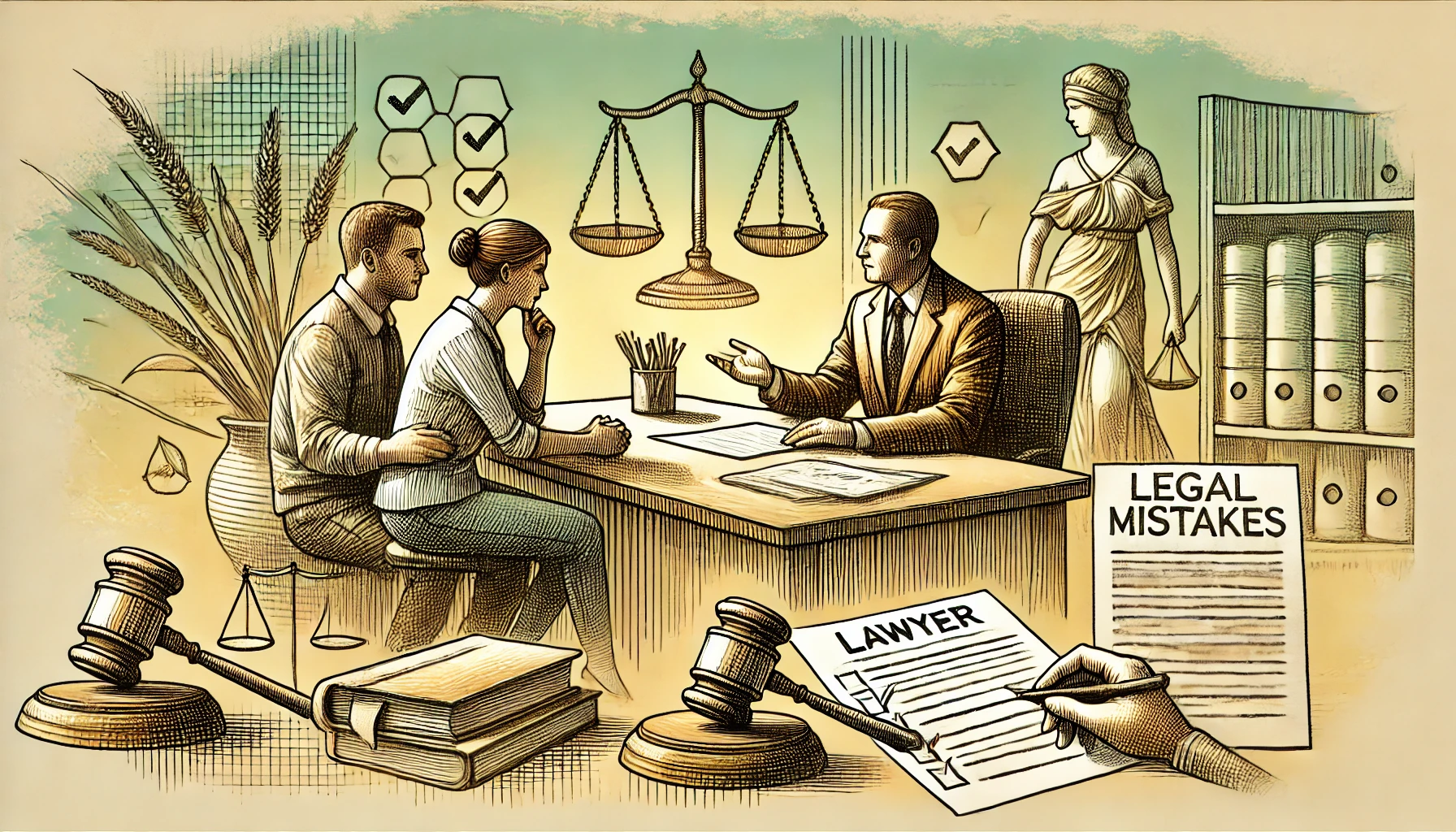
Divorce is a complex and emotionally charged process, often fraught with legal intricacies that can significantly impact your future. Whether you’re dividing assets, determining child custody, or negotiating spousal support, the decisions you make during divorce can have long-lasting consequences. Unfortunately, many people make legal mistakes during divorce that can lead to unfavorable outcomes, such as losing valuable assets, incurring unexpected debts, or facing challenges with post-divorce financial stability. Understanding how to avoid these common legal mistakes is essential for protecting your rights and ensuring a fair and equitable settlement.
Navigating the legal aspects of divorce requires careful planning, attention to detail, and a clear understanding of your rights and obligations. From failing to fully disclose assets to neglecting to update legal documents, these missteps can be costly and difficult to correct. By being proactive and informed, you can minimize the risk of making mistakes that could complicate or prolong the divorce process. This blog will guide you through the most common legal mistakes made during divorce and provide strategies to avoid them, helping you achieve a smoother and more favorable outcome.
1. Failing to Fully Disclose Assets
- One of the most critical aspects of divorce is the division of assets, which requires both parties to fully disclose all financial information, including income, investments, properties, and debts.
- Failing to disclose assets, whether intentional or accidental, can lead to serious legal consequences, including penalties and an unfavorable settlement.
- Ensure that all assets, including less obvious ones like stock options, retirement accounts, and valuable personal property, are accurately reported.
- Consider working with a financial professional or forensic accountant to help identify and value all assets, ensuring that nothing is overlooked.
- Full disclosure not only ensures a fair division of assets but also helps build trust in the negotiation process, reducing the likelihood of disputes.
2. Neglecting to Consider Tax Implications
- Divorce often involves the transfer or division of significant assets, each of which may have tax implications that need to be carefully considered.
- For example, selling a marital home can result in capital gains taxes, while the division of retirement accounts might trigger income taxes or early withdrawal penalties.
- Understanding the tax consequences of different asset divisions can help you make informed decisions that minimize your tax burden and avoid unexpected financial consequences.
- Consider consulting with a tax advisor or financial planner to assess the tax impact of your divorce settlement and explore strategies to reduce tax liabilities.
- Failing to consider tax implications can result in a less favorable settlement, as the true value of assets may be diminished by future tax obligations.
3. Overlooking the Long-Term Financial Impact
- During the emotional turmoil of divorce, it’s easy to focus on immediate concerns, such as who gets the house or custody of the children. However, it’s crucial to also consider the long-term financial impact of your decisions.
- Evaluate how the division of assets, spousal support, and child support will affect your financial stability in the years to come, including your retirement plans and ability to meet future financial goals.
- Consider factors like inflation, the potential for future changes in income, and the long-term costs of maintaining certain assets, such as real estate.
- Developing a comprehensive financial plan with the help of a financial advisor can help you understand the long-term implications of your divorce settlement and make decisions that support your future financial security.
- Avoiding this mistake ensures that you don’t agree to terms that may seem favorable now but could be detrimental in the long run.
4. Making Emotional Decisions
- Divorce is an emotionally charged process, and it’s natural to experience feelings of anger, sadness, or betrayal. However, letting emotions drive your decisions can lead to poor outcomes that you may later regret.
- Emotional decisions, such as agreeing to an unfavorable settlement out of a desire to “get it over with” or refusing to negotiate out of spite, can have lasting negative effects on your financial and personal well-being.
- Focus on the practical aspects of the divorce and approach negotiations with a clear mind, aiming for a settlement that is fair and sustainable rather than one driven by emotions.
- Consider seeking support from a therapist or counselor who can help you manage your emotions during the process, allowing you to make more rational and informed decisions.
- By keeping emotions in check, you can avoid impulsive decisions that could lead to regret and long-term financial difficulties.
5. Not Hiring an Experienced Divorce Attorney
- Navigating the complexities of divorce law without proper legal representation can be risky, particularly if your case involves significant assets, contested custody, or other complicated issues.
- An experienced divorce attorney can provide valuable guidance, help you understand your rights, and ensure that your interests are protected throughout the process.
- While it may be tempting to handle the divorce on your own to save money, the cost of legal mistakes can far outweigh the cost of hiring a qualified attorney.
- Choose an attorney who specializes in family law and has experience handling cases similar to yours, ensuring they are well-equipped to manage the complexities of your situation.
- Having skilled legal representation can help you avoid common legal pitfalls, negotiate more effectively, and achieve a settlement that reflects your best interests.
6. Ignoring the Importance of a Detailed Settlement Agreement
- The settlement agreement is the document that outlines the terms of your divorce, including the division of assets, spousal support, child custody, and other critical issues.
- Failing to include detailed, clear, and specific terms in the settlement agreement can lead to misunderstandings, disputes, and difficulties in enforcing the agreement in the future.
- Ensure that the agreement covers all necessary aspects of your divorce, including who is responsible for debts, how assets will be divided, and how child custody and support will be managed.
- Work with your attorney to draft a comprehensive agreement that leaves no room for ambiguity, reducing the likelihood of future conflicts.
- A well-drafted settlement agreement provides clarity and ensures that both parties fully understand their rights and obligations, helping to avoid potential legal issues down the road.
7. Overlooking Retirement Accounts
- Retirement accounts are often among the most valuable assets in a divorce, but they are frequently overlooked or mishandled during asset division.
- Failing to properly divide retirement accounts can result in significant financial losses or tax penalties, particularly if the division is not handled according to legal requirements.
- A Qualified Domestic Relations Order (QDRO) is often required to divide certain types of retirement accounts, such as 401(k)s and pensions, ensuring that the non-employee spouse receives their share of the benefits.
- Understand the value of your retirement accounts and work with your attorney to ensure that they are divided correctly, taking into account any potential tax implications or penalties.
- By addressing retirement accounts appropriately, you can protect your future financial security and ensure that you receive your fair share of these critical assets.
8. Failing to Update Legal Documents
- After a divorce, it’s essential to update your legal documents to reflect your new marital status and ensure that your assets are distributed according to your wishes.
- Update your will, trust, power of attorney, and any other estate planning documents to remove your ex-spouse and designate new beneficiaries where appropriate.
- Ensure that beneficiary designations on retirement accounts, life insurance policies, and other financial accounts are updated to reflect your post-divorce wishes.
- Failing to update these documents can result in unintended consequences, such as your ex-spouse inheriting assets or making decisions on your behalf.
- Taking the time to update your legal documents ensures that your estate plan is consistent with your current wishes and that your assets are protected.
9. Not Considering Alternative Dispute Resolution
- Many people assume that divorce must involve a courtroom battle, but alternative dispute resolution (ADR) methods such as mediation and collaborative divorce can offer a more amicable and cost-effective approach.
- Mediation involves a neutral third party who helps both spouses negotiate a settlement, while collaborative divorce involves both parties and their attorneys working together to reach an agreement without going to court.
- These methods can be less adversarial and more flexible than traditional litigation, allowing both parties to have more control over the outcome.
- Consider whether ADR might be a suitable option for your divorce, particularly if you and your spouse are willing to work together to reach a mutually acceptable agreement.
- Choosing ADR can reduce legal costs, shorten the divorce process, and result in a settlement that better reflects both parties’ needs and interests.
10. Rushing Through the Divorce Process
- Divorce is a significant life event that requires careful consideration and planning. Rushing through the process in an attempt to “move on” can lead to mistakes and oversights that have lasting consequences.
- Take the time to thoroughly evaluate each aspect of the divorce, from asset division to custody arrangements, ensuring that you fully understand the implications of your decisions.
- Work closely with your attorney to develop a clear strategy and timeline for the divorce, allowing you to address each issue methodically and avoid hasty decisions.
- Remember that a well-thought-out divorce process, even if it takes longer, is more likely to result in a fair and favorable outcome.
- By taking the necessary time to navigate the complexities of divorce, you can avoid mistakes that could complicate your future and ensure that you are fully prepared for life after divorce.
Conclusion
Divorce is a challenging process that requires careful navigation to avoid common legal mistakes that could have long-term consequences. From ensuring full financial disclosure and considering tax implications to avoiding emotional decisions and hiring the right legal representation, each step in the process demands attention to detail and a clear understanding of your rights and obligations. By taking a proactive approach and seeking the guidance of experienced professionals, you can protect your interests, achieve a fair settlement, and move forward with confidence. The goal is to emerge from the divorce process with your financial security intact and a clear path to rebuilding your life.