
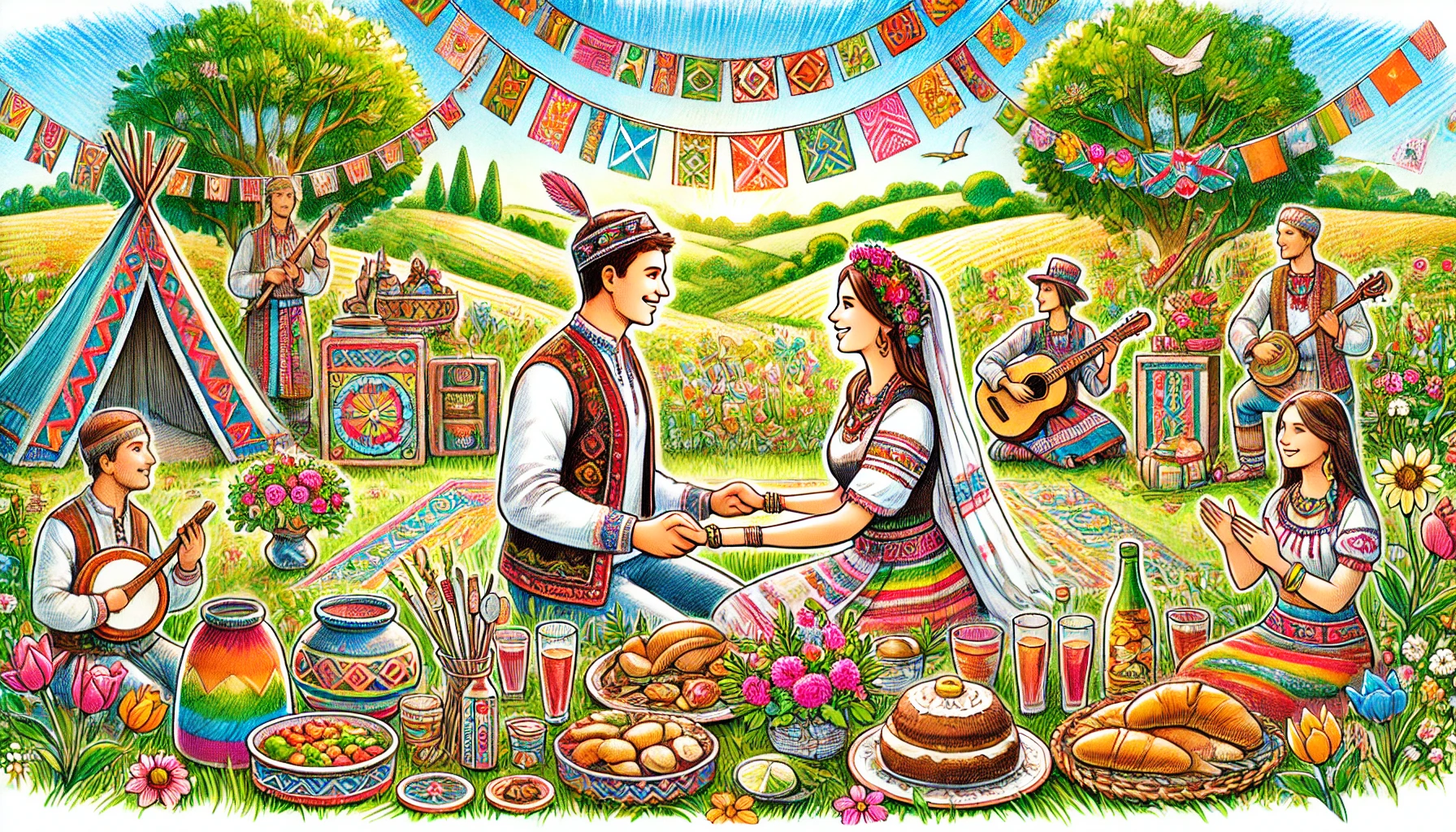
Celebrating and honoring each other’s cultural heritage in marriage is a beautiful way to deepen your connection, enrich your relationship, and create a sense of unity amidst diversity. When partners come from different cultural backgrounds, their marriage offers a unique opportunity to blend traditions, values, and customs in a way that respects and celebrates both heritages. By intentionally embracing each other’s cultural identities, couples can foster a more inclusive, supportive, and vibrant relationship.
In a marriage, honoring each other’s cultural heritage goes beyond mere acknowledgment—it involves active participation, respect, and a genuine desire to learn and grow together. Whether it’s through daily practices, special celebrations, or ongoing education, integrating both cultural backgrounds into your life together can enhance your bond and create a shared sense of identity. Here’s how to celebrate and honor each other’s cultural heritage in marriage.
1. Learn About Each Other’s Culture
- Take the time to educate yourself about your partner’s cultural background, including its history, traditions, values, and customs.
- Ask your partner to share stories, memories, and experiences from their culture, helping you to understand what aspects are most meaningful to them.
- Engage with cultural materials such as books, films, music, and art from your partner’s heritage, gaining a deeper appreciation for their cultural identity.
- Participate in cultural activities or events together, such as festivals, performances, or community gatherings, to experience the culture firsthand.
- Learning about each other’s culture demonstrates respect and interest, laying the foundation for a deeper connection and mutual understanding.
2. Incorporate Cultural Traditions into Your Daily Life
- Find ways to integrate your partner’s cultural traditions into your daily life, creating a routine that honors both of your backgrounds.
- Incorporate traditional foods, recipes, or cooking techniques from each culture into your meals, sharing the flavors and stories behind each dish.
- Use elements of each culture in your home decor, such as artwork, textiles, or symbols that reflect your shared heritage.
- Practice cultural customs together, whether it’s through language, religious observances, or daily rituals that hold significance for both of you.
- Incorporating cultural traditions into your daily life helps create a sense of belonging and continuity, enriching your marriage with diversity.
3. Celebrate Cultural Holidays and Special Occasions
- Recognize and celebrate each other’s cultural holidays and special occasions, making them an important part of your shared life.
- Learn about the significance and customs of your partner’s cultural celebrations, and participate in them with enthusiasm and respect.
- Plan special activities, meals, or gatherings that honor both of your cultural traditions during holidays and important events.
- Consider creating new traditions that blend elements from both cultures, allowing you to celebrate in a way that is unique to your marriage.
- Celebrating cultural holidays together strengthens your connection and creates lasting memories that honor both of your heritages.
4. Involve Family and Friends in Cultural Celebrations
- Invite your families and friends to participate in cultural celebrations, helping to create a sense of community and shared identity.
- Host cultural events or gatherings that bring together loved ones from both sides, fostering mutual respect and understanding between families.
- Share cultural practices and traditions with your extended family, encouraging them to embrace and support your partner’s heritage.
- Be open to learning about and participating in each other’s family traditions, recognizing the role that family plays in cultural identity.
- Involving family and friends in cultural celebrations helps to bridge cultural differences and create a supportive environment for your marriage.
5. Create Cultural Rituals and Traditions as a Couple
- Develop new rituals and traditions as a couple that reflect both of your cultural backgrounds, creating a shared cultural identity.
- Combine elements from each culture into your wedding ceremony, anniversaries, or other significant milestones, symbolizing your union of cultures.
- Establish daily or weekly rituals that incorporate both cultures, such as shared prayers, meditations, or cultural practices that bring you closer.
- Consider how you will pass down cultural traditions to future generations, ensuring that both heritages are honored and preserved.
- Creating cultural rituals and traditions as a couple strengthens your bond and provides a sense of continuity and connection to your shared heritage.
6. Respect and Honor Differences
- Recognize that cultural differences may exist between you and your partner, and approach these differences with respect and openness.
- Avoid imposing your cultural practices or expectations on your partner, instead finding ways to integrate both cultures in a balanced and respectful manner.
- Be mindful of cultural sensitivities, such as religious practices, dietary restrictions, or social norms, and make accommodations as needed.
- Discuss any challenges or conflicts that arise due to cultural differences, and work together to find solutions that honor both perspectives.
- Respecting and honoring differences in your marriage creates a supportive environment where both partners feel valued and understood.
7. Engage in Continuous Learning and Growth
- View your marriage as an ongoing journey of learning and growth, where you continue to explore and embrace each other’s cultural heritage.
- Attend cultural workshops, language classes, or community events that deepen your understanding of your partner’s culture.
- Travel together to each other’s home countries or regions, immersing yourselves in the culture and connecting with family and history.
- Encourage each other to explore and express your cultural identities, whether through hobbies, creative pursuits, or community involvement.
- Continuous learning and growth keep your marriage dynamic and resilient, allowing you to deepen your connection and appreciation for each other’s heritage.
8. Teach and Pass Down Cultural Knowledge to Future Generations
- If you have or plan to have children, consider how you will teach them about both of your cultural heritages, ensuring they have a strong connection to both.
- Share stories, traditions, and practices from each culture with your children, helping them to develop a sense of pride and identity in their diverse background.
- Celebrate cultural milestones, such as coming-of-age ceremonies or religious rites, that honor both heritages and provide a sense of continuity.
- Involve extended family members in teaching and passing down cultural knowledge, creating a supportive network that reinforces cultural identity.
- Teaching and passing down cultural knowledge to future generations ensures that both of your heritages are preserved and honored in your family.
9. Show Appreciation and Gratitude for Each Other’s Culture
- Regularly express appreciation and gratitude for the cultural heritage your partner brings to your marriage, recognizing its value and significance.
- Acknowledge the efforts your partner makes to integrate your culture into their life, and reciprocate by doing the same.
- Celebrate the ways in which your partner’s culture enriches your life and relationship, whether through traditions, values, or shared experiences.
- Use words, gestures, or gifts that reflect cultural appreciation, showing your partner that you value their cultural identity.
- Showing appreciation and gratitude for each other’s culture strengthens your bond and fosters a deeper sense of connection and respect.
10. Seek External Support and Resources
- If you encounter challenges in navigating cultural differences, don’t hesitate to seek external support from counselors, mentors, or community leaders.
- Join multicultural or intercultural marriage support groups where you can connect with other couples who share similar experiences and challenges.
- Attend cultural events, workshops, or retreats designed for couples from diverse backgrounds, offering tools and insights for blending cultures in marriage.
- Explore resources such as books, podcasts, or online communities that offer guidance on integrating cultural traditions in a respectful and meaningful way.
- Seeking external support and resources can provide valuable perspectives and strategies for celebrating and honoring each other’s cultural heritage.
In conclusion, celebrating and honoring each other’s cultural heritage in marriage requires a commitment to learning, respect, and active participation. By embracing each other’s traditions, creating new shared rituals, and involving family and friends, couples can build a marriage that reflects and celebrates their diverse backgrounds. With continuous learning, respect for differences, and a focus on creating a unified cultural identity, couples can navigate cultural diversity with grace and appreciation, leading to a fulfilling and harmonious relationship that honors both partners’ heritages.