
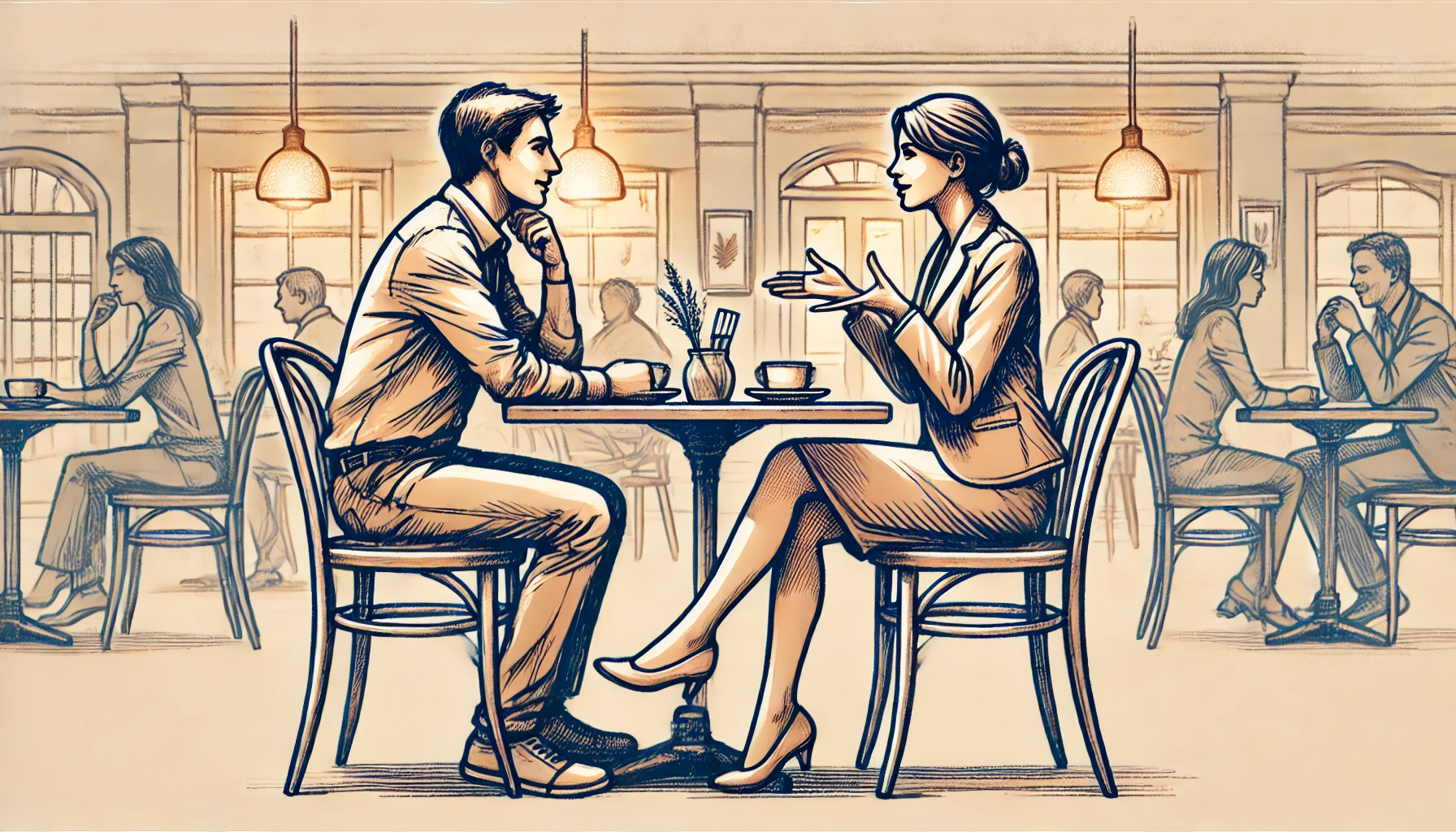
Nonverbal communication is an integral part of how we interact with others, often conveying more than words alone. It encompasses a wide range of behaviors, including facial expressions, gestures, posture, eye contact, and tone of voice. These subtle cues can express emotions, emphasize points, and provide feedback, significantly impacting the effectiveness of our communication. Developing strong nonverbal communication skills can enhance your ability to connect with others, build rapport, and navigate social and professional situations with confidence. This blog explores practical strategies for improving your nonverbal communication skills, helping you become a more effective and empathetic communicator.
Understanding and mastering nonverbal communication requires awareness and practice. Whether you aim to improve your personal relationships, advance in your career, or simply communicate more clearly, honing your nonverbal skills can lead to more meaningful and successful interactions. This blog will cover various aspects of nonverbal communication, including body language, facial expressions, eye contact, and more, providing actionable tips to help you convey your messages with clarity and confidence.
1. The Importance of Nonverbal Communication
- Complementing Verbal Communication: Nonverbal cues can reinforce and clarify spoken words, adding depth and nuance to the message.
- Expressing Emotions: Facial expressions, tone of voice, and gestures often reveal true feelings, sometimes more honestly than words.
- Building Relationships: Positive nonverbal communication fosters trust, empathy, and rapport, strengthening personal and professional relationships.
- Conveying Confidence: Strong nonverbal skills can project confidence and authority, making you more persuasive and influential.
- Enhancing Understanding: Being attuned to nonverbal signals helps you understand others’ emotions and intentions, facilitating more effective communication.
2. Developing Awareness of Your Body Language
- Posture: Maintain an open and upright posture, with shoulders back and relaxed, to convey confidence and openness.
- Gestures: Use gestures naturally to emphasize points and illustrate ideas, ensuring they align with your verbal message.
- Hand Movements: Keep hand movements purposeful and controlled; avoid fidgeting or excessive gesturing, which can be distracting.
- Facial Expressions: Be mindful of your facial expressions and ensure they reflect your emotions and support your words.
- Personal Space: Respect personal space and be aware of cultural differences in proximity preferences.
How to Improve Body Language Awareness: Practice in front of a mirror or record yourself speaking to observe your body language. Seek feedback from others to identify areas for improvement.
3. Mastering Eye Contact
- Maintaining Eye Contact: Consistent eye contact shows attentiveness, confidence, and respect. It helps establish a connection with the listener.
- Balancing Eye Contact: Avoid staring, as it can be perceived as aggressive. Balance eye contact by periodically looking away to avoid discomfort.
- Cultural Considerations: Be aware of cultural differences in eye contact norms; in some cultures, direct eye contact is considered respectful, while in others, it may be seen as confrontational.
- Using Eye Contact in Conversations: Use eye contact to engage listeners and emphasize key points. It can also signal that you are listening and interested.
How to Improve Eye Contact: Practice maintaining eye contact in conversations with friends or colleagues. Gradually increase the duration to become more comfortable and natural.
4. Enhancing Facial Expressions
- Smiling: A genuine smile can convey warmth, friendliness, and openness. It can also make interactions more pleasant and welcoming.
- Expressing Emotions: Use appropriate facial expressions to express emotions, such as concern, enthusiasm, or empathy.
- Avoiding Negative Expressions: Be mindful of negative expressions, such as frowning or scowling, which can create a barrier to communication.
- Consistency: Ensure that your facial expressions match your verbal message to avoid confusion or mistrust.
How to Improve Facial Expressions: Practice in front of a mirror to see how different expressions look and feel. Be conscious of your facial expressions during conversations and adjust as needed.
5. Using Gestures Effectively
- Purposeful Gestures: Use gestures to complement and emphasize your verbal message, making your communication more dynamic and engaging.
- Avoiding Overuse: Be mindful of not overusing gestures, as excessive movements can be distracting.
- Cultural Sensitivity: Be aware of cultural differences in the meaning and appropriateness of certain gestures.
- Matching Gestures to Context: Adjust your gestures based on the context and formality of the situation, whether casual or professional.
How to Improve Gesture Use: Observe skilled communicators and note how they use gestures. Practice incorporating gestures into your communication, focusing on clarity and emphasis.
6. The Role of Tone of Voice
- Pitch: Vary your pitch to convey different emotions and maintain the listener’s interest.
- Volume: Adjust your volume to suit the context and environment; speak clearly and audibly without shouting.
- Pace: Maintain a moderate pace; speaking too quickly can make you seem anxious, while speaking too slowly can be perceived as lacking confidence.
- Inflection: Use inflection to add emphasis and express emotions, making your speech more engaging and dynamic.
How to Improve Tone of Voice: Record yourself speaking and listen to your tone. Practice modulating your voice to convey different emotions and messages effectively.
7. Understanding the Impact of Personal Space
- Proxemics: Be aware of the concept of personal space and its variations across different cultures and social contexts.
- Comfort Zones: Respect others’ personal space and be mindful of cues indicating discomfort, such as stepping back or crossing arms.
- Adjusting Distance: Adjust the distance based on the relationship and context, whether in a casual or formal setting.
How to Improve Personal Space Awareness: Observe people’s reactions to different distances and adjust accordingly. Pay attention to nonverbal cues that indicate comfort or discomfort.
8. Developing Listening Skills
- Active Listening: Show that you are actively listening by nodding, maintaining eye contact, and using verbal affirmations like “I see” or “I understand.”
- Reflective Listening: Paraphrase or summarize what the speaker has said to confirm understanding and show empathy.
- Avoiding Interruptions: Allow the speaker to finish their thoughts without interrupting, demonstrating respect and patience.
- Responding Thoughtfully: Respond appropriately to the speaker’s message, considering both verbal and nonverbal cues.
How to Improve Listening Skills: Practice active listening in conversations, focusing on understanding the speaker’s message. Avoid distractions and give your full attention to the speaker.
9. Recognizing and Interpreting Nonverbal Cues
- Observing Body Language: Pay attention to others’ body language, such as posture, gestures, and facial expressions, to gauge their emotions and reactions.
- Context Matters: Consider the context and environment when interpreting nonverbal cues, as they can influence their meaning.
- Consistent Cues: Look for consistency between verbal and nonverbal messages to understand the speaker’s true intentions.
- Responding to Cues: Respond appropriately to nonverbal cues, showing empathy and understanding.
How to Improve Interpretation of Nonverbal Cues: Observe interactions in various settings and practice identifying nonverbal signals. Reflect on your interpretations and consider multiple perspectives.
10. Continuous Improvement and Practice
- Self-Reflection: Regularly reflect on your nonverbal communication skills and identify areas for improvement.
- Feedback: Seek feedback from trusted friends, family, or colleagues on your nonverbal communication.
- Practice in Different Contexts: Practice using nonverbal communication in various settings, such as social gatherings, meetings, and presentations.
- Learning from Others: Observe skilled communicators and learn from their nonverbal communication techniques.
- Adapting to Change: Be adaptable and open to changing your nonverbal communication style based on feedback and new insights.
How to Continuously Improve: Set specific goals for improving your nonverbal communication skills and track your progress. Stay curious and open to learning new techniques and approaches.
Conclusion
Improving your nonverbal communication skills is a journey that requires self-awareness, practice, and a willingness to learn. By becoming more attuned to your body language, facial expressions, eye contact, gestures, and tone of voice, you can enhance your ability to connect with others and convey your messages more effectively. These skills are invaluable in both personal and professional settings, helping you build stronger relationships, navigate complex interactions, and communicate with clarity and confidence.
As you continue to develop your nonverbal communication skills, remember that consistency between verbal and nonverbal messages is key to building trust and authenticity. Practice, reflection, and feedback are essential components of this growth process. By embracing the power of nonverbal communication, you can enrich your interactions and create a more empathetic and understanding environment. Let us strive to communicate not just with words but with our entire presence, using the silent language of nonverbal cues to connect with others on a deeper level.