
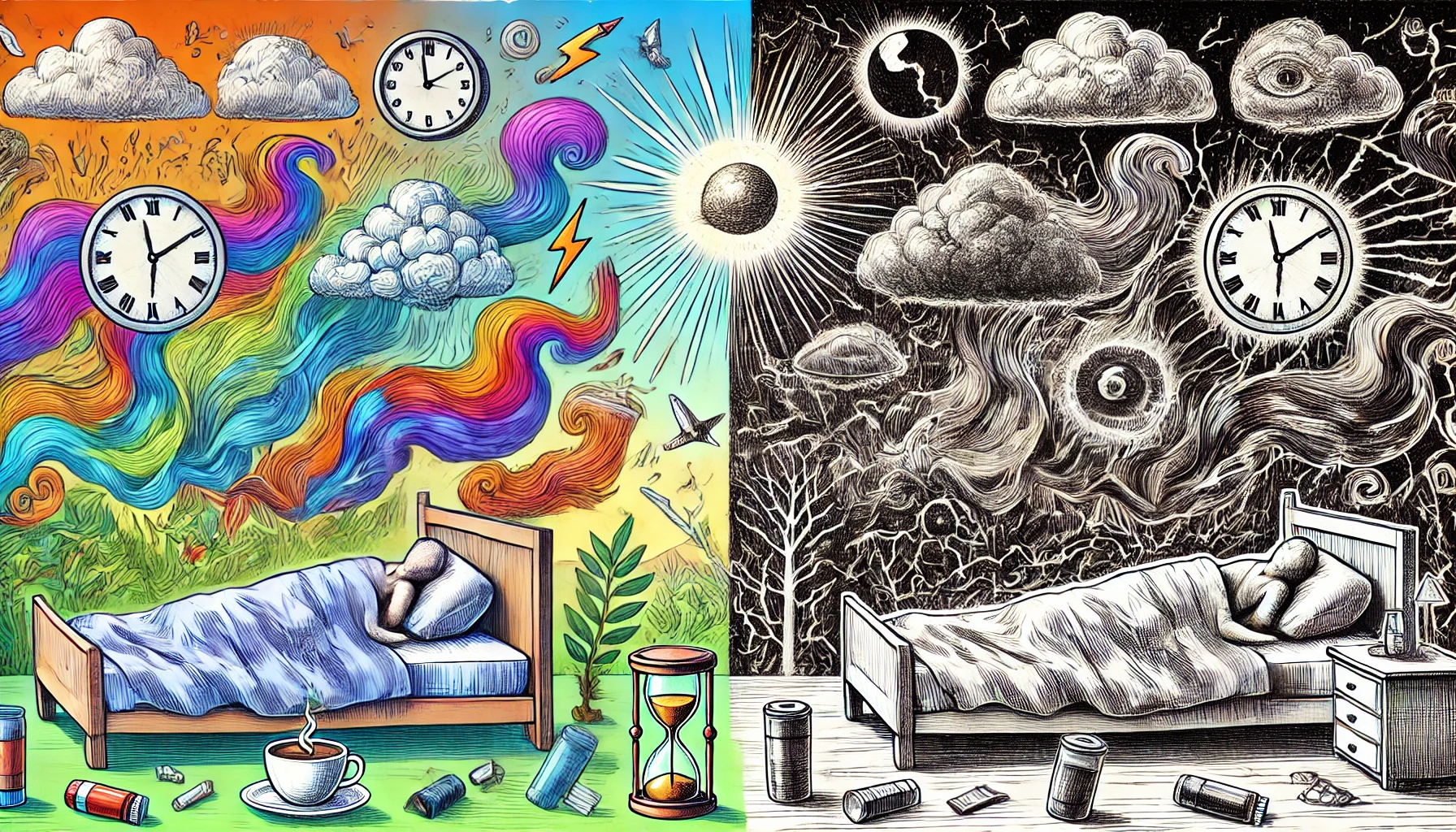
Caffeine is a widely consumed stimulant found in coffee, tea, chocolate, energy drinks, and various medications. It is renowned for its ability to increase alertness and reduce fatigue, making it a popular choice for many individuals seeking a quick boost in energy. However, while caffeine can offer short-term benefits, its long-term effects on sleep health can be detrimental. Chronic caffeine consumption, especially in large amounts or at inappropriate times, can lead to significant disruptions in sleep patterns and overall health.
Understanding the long-term impacts of caffeine on sleep is crucial for making informed decisions about its consumption. Prolonged exposure to caffeine can result in various sleep-related issues, from difficulty falling asleep to more severe conditions like insomnia and sleep deprivation. This article explores the long-term effects of caffeine on sleep health, examining how it can alter sleep architecture, affect circadian rhythms, and contribute to various health problems.
1. Disruption of Sleep Architecture
- Reduced REM Sleep: Caffeine can reduce the amount of Rapid Eye Movement (REM) sleep, a critical phase associated with dreaming, memory consolidation, and emotional regulation. Chronic caffeine consumption can lead to a decrease in the duration and quality of REM sleep, impairing cognitive functions and emotional well-being.
- Altered Sleep Stages: Caffeine can disrupt the balance between different sleep stages, particularly by reducing the time spent in deep sleep (slow-wave sleep). Deep sleep is essential for physical restoration, immune function, and muscle repair.
- Fragmented Sleep: Regular caffeine intake can lead to frequent awakenings during the night, causing fragmented sleep. This can prevent the progression through the full sleep cycle, resulting in lighter, less restorative sleep.
- Sleep Latency: Caffeine can increase sleep latency, the time it takes to fall asleep. This effect can be compounded over time, leading to a chronic reduction in total sleep time.
- Sleep Efficiency: Chronic caffeine consumption can decrease sleep efficiency, the proportion of time spent asleep while in bed, leading to an overall reduction in sleep quality.
2. Circadian Rhythm Disruption
- Shift in Sleep-Wake Cycle: Caffeine can shift the sleep-wake cycle by delaying sleep onset, leading to a misalignment between the body’s internal clock and external cues. This can result in difficulty waking up in the morning and increased daytime sleepiness.
- Phase Delay: For individuals who consume caffeine late in the day, it can delay the circadian phase, making it harder to fall asleep at the desired time. This phase delay can be particularly problematic for individuals with circadian rhythm disorders.
- Social Jetlag: The discrepancy between biological and social clocks can be exacerbated by caffeine consumption, leading to social jetlag. This condition can result in a mismatch between an individual’s natural sleep-wake pattern and societal obligations, such as work or school schedules.
- Light Exposure and Caffeine: Caffeine can affect how the body responds to light exposure, a key factor in regulating circadian rhythms. This can further disrupt the synchronization of the sleep-wake cycle.
- Impact on Melatonin Production: Caffeine can inhibit the production of melatonin, a hormone that signals the body to prepare for sleep. Reduced melatonin levels can interfere with the ability to fall asleep and maintain sleep.
3. Development of Sleep Disorders
- Chronic Insomnia: Regular caffeine consumption, especially in the afternoon and evening, can contribute to chronic insomnia, characterized by persistent difficulty falling and staying asleep. This condition can lead to significant impairments in daily functioning and quality of life.
- Caffeine Dependence: Chronic use of caffeine can lead to physical dependence, with withdrawal symptoms such as headaches, irritability, and fatigue occurring upon cessation. Dependence can perpetuate a cycle of increased consumption and sleep disturbances.
- Sleep Apnea Exacerbation: While caffeine does not directly cause sleep apnea, it can exacerbate the symptoms by reducing sleep quality and increasing nighttime awakenings. Individuals with sleep apnea may experience worsened symptoms with regular caffeine intake.
- Restless Leg Syndrome (RLS): Caffeine can aggravate the symptoms of restless leg syndrome, a condition characterized by an uncontrollable urge to move the legs, particularly during periods of rest or inactivity.
- Narcolepsy Management: While caffeine can temporarily alleviate daytime sleepiness in individuals with narcolepsy, it may also disrupt nighttime sleep, complicating the overall management of the condition.
4. Impact on Mental Health
- Anxiety and Stress: Caffeine can increase levels of anxiety and stress, particularly in individuals who are sensitive to its effects. This can contribute to sleep disturbances and exacerbate existing mental health conditions.
- Mood Disorders: Chronic sleep deprivation due to caffeine can increase the risk of mood disorders such as depression and irritability. The stimulant effect of caffeine can lead to mood swings and emotional instability.
- Cognitive Impairment: Long-term caffeine use can impair cognitive functions, including attention, memory, and decision-making. The cumulative effect of poor sleep quality can lead to difficulties in concentration and increased susceptibility to cognitive decline.
- Emotional Regulation: REM sleep plays a crucial role in emotional regulation. A reduction in REM sleep due to caffeine can lead to heightened emotional reactivity and difficulty managing stress.
- Substance Abuse Risk: Chronic caffeine use can increase the risk of substance abuse, as individuals may seek other stimulants to counteract the effects of sleep deprivation and maintain alertness.
5. Physical Health Consequences
- Cardiovascular Health: Chronic sleep deprivation associated with caffeine use can increase the risk of cardiovascular diseases, including hypertension, heart disease, and stroke. Elevated blood pressure and heart rate can be exacerbated by caffeine’s stimulant effects.
- Metabolic Disorders: Poor sleep quality due to caffeine can contribute to metabolic disorders, including obesity, diabetes, and metabolic syndrome. Disrupted sleep can affect insulin sensitivity and appetite regulation.
- Immune Function: Adequate sleep is essential for a robust immune system. Chronic caffeine use and sleep deprivation can weaken immune function, making individuals more susceptible to infections and illnesses.
- Hormonal Imbalances: Caffeine can affect the regulation of hormones involved in stress response, appetite, and metabolism. Chronic use can disrupt the balance of cortisol and other hormones, leading to various health issues.
- Chronic Pain: Individuals with chronic pain conditions may experience worsened symptoms with disrupted sleep. Caffeine can exacerbate pain sensitivity and interfere with pain management.
6. The Role of Tolerance and Dependence
- Developing Tolerance: With regular use, individuals may develop a tolerance to caffeine, requiring larger amounts to achieve the same stimulating effects. This can lead to increased consumption and greater disruption of sleep.
- Physical Dependence: Dependence on caffeine can develop over time, leading to withdrawal symptoms when intake is reduced or stopped. These symptoms can include headaches, fatigue, irritability, and difficulty concentrating.
- Psychological Dependence: Beyond physical dependence, individuals may develop psychological dependence, where they believe they need caffeine to function effectively. This can perpetuate a cycle of reliance on caffeine and sleep disruption.
- Managing Tolerance and Dependence: Gradual reduction of caffeine intake and mindful consumption can help manage tolerance and dependence. Substituting caffeine with non-stimulant alternatives can also support this process.
- Withdrawal Management: To minimize withdrawal symptoms, a gradual reduction in caffeine intake is recommended. Hydration, balanced nutrition, and regular physical activity can aid in managing withdrawal.
7. Alternatives to Caffeine for Sustained Energy
- Regular Physical Activity: Exercise can boost energy levels and improve sleep quality. Activities such as walking, swimming, and yoga can provide sustained energy without the need for stimulants.
- Balanced Diet: A diet rich in whole foods, including fruits, vegetables, whole grains, and lean proteins, can support stable energy levels and overall health.
- Adequate Hydration: Staying hydrated is crucial for maintaining energy and cognitive function. Water and herbal teas are excellent alternatives to caffeinated beverages.
- Healthy Sleep Hygiene: Prioritizing good sleep hygiene practices, such as maintaining a consistent sleep schedule and creating a conducive sleep environment, can enhance sleep quality and reduce the need for caffeine.
- Natural Supplements: Consider natural supplements like ginseng, Rhodiola Rosea, or ashwagandha, which may enhance energy and mental performance without the negative effects of caffeine.
8. Managing Caffeine Consumption
- Mindful Consumption: Be mindful of your caffeine intake, including the timing, quantity, and sources. Avoid consuming caffeine in the late afternoon or evening to minimize its impact on sleep.
- Gradual Reduction: If you’re looking to reduce caffeine intake, do so gradually to minimize withdrawal symptoms. Start by cutting back on the number of caffeinated beverages and replacing them with non-caffeinated options.
- Alternatives and Substitutes: Experiment with caffeine-free alternatives like herbal teas, decaffeinated coffee, and fruit-infused water. These can provide a comforting ritual without the stimulating effects.
- Awareness of Hidden Sources: Be aware of hidden sources of caffeine in foods, medications, and supplements. Check labels and consult with healthcare providers if needed.
- Professional Guidance: If caffeine consumption is significantly impacting your sleep and overall health, consider seeking guidance from a healthcare professional or nutritionist for personalized advice.
9. Long-Term Strategies for Better Sleep Health
- Consistent Sleep Schedule: Maintain a consistent sleep schedule, going to bed and waking up at the same time every day. This helps regulate the body’s internal clock.
- Relaxing Bedtime Routine: Establish a relaxing bedtime routine that includes activities such as reading, meditation, or taking a warm bath. This can signal to your body that it’s time to wind down.
- Limit Exposure to Screens: Reduce exposure to screens and blue light in the evening, as they can interfere with melatonin production and disrupt sleep.
- Create a Sleep-Friendly Environment: Ensure your sleep environment is conducive to rest, with a comfortable mattress, blackout curtains, and a cool, quiet atmosphere.
- Monitor Sleep Quality: Keep track of your sleep patterns and quality. Consider using a sleep journal or tracking devices to monitor your progress and make necessary adjustments.
10. The Importance of Prioritizing Sleep
- Holistic Health: Prioritizing sleep is essential for overall health and well-being. It affects physical, mental, and emotional health, as well as daily functioning.
- Long-Term Benefits: Consistently prioritizing sleep can lead to long-term benefits, including improved cognitive function, emotional stability, and reduced risk of chronic diseases.
- Balancing Stimulants and Rest: Finding a balance between the use of stimulants like caffeine and adequate rest is crucial for maintaining energy and health. Mindful consumption and healthy sleep habits are key to achieving this balance.
- Awareness and Education: Stay informed about the latest research on sleep and caffeine. Education and awareness can empower you to make informed decisions about your health and lifestyle.
- Continuous Improvement: Strive for continuous improvement in your sleep health. Small changes in habits and routines can lead to significant benefits over time.
Caffeine is a widely used stimulant with both benefits and drawbacks. While it can provide temporary alertness and energy, its long-term effects on sleep health can be detrimental. Chronic caffeine consumption can disrupt sleep architecture, alter circadian rhythms, and contribute to various sleep disorders and health issues. Understanding these effects is essential for making informed decisions about caffeine intake and prioritizing sleep health.
In summary, achieving a healthy balance between caffeine consumption and sleep is crucial for overall well-being. By being mindful of caffeine’s impact on sleep and implementing strategies to manage intake, individuals can enjoy the benefits of caffeine without compromising their sleep quality. Prioritizing good sleep hygiene and making thoughtful lifestyle choices can lead to improved sleep, better health, and enhanced quality of life.