
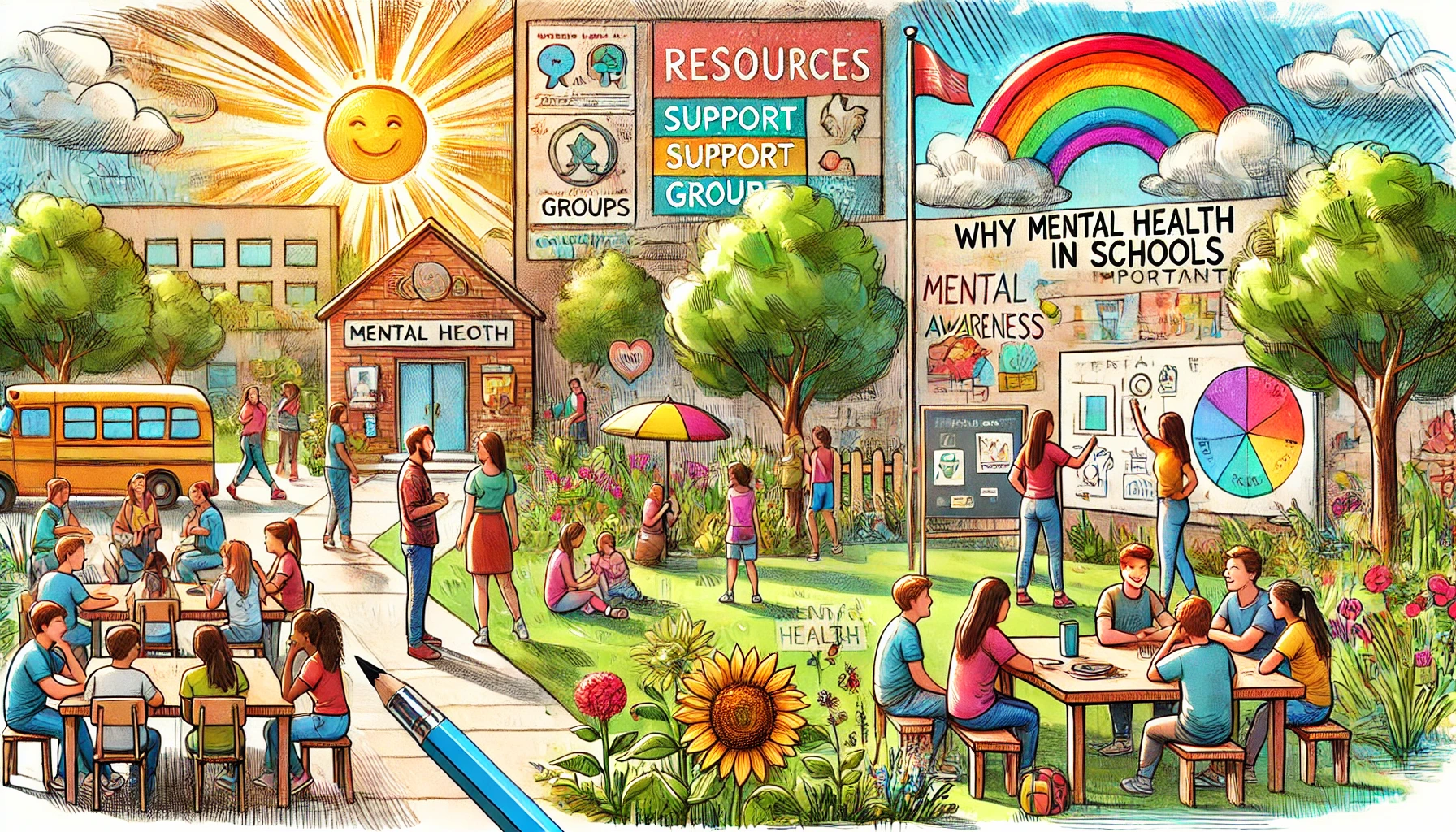
Mental health awareness in schools is crucial for fostering a supportive and understanding environment where students can thrive both academically and emotionally. Schools are not only places of learning but also social environments where students develop essential life skills and relationships. Given the significant amount of time students spend at school, these institutions play a vital role in identifying, supporting, and addressing mental health needs. Promoting mental health awareness in schools can help prevent the development of mental health issues, provide early intervention, and create a more inclusive atmosphere for all students.
The importance of mental health awareness in schools extends beyond individual well-being. It also impacts academic performance, school climate, and overall community health. With increasing rates of anxiety, depression, and other mental health challenges among young people, integrating mental health education and support into the school system has never been more critical. This blog will explore the reasons why mental health awareness in schools is essential, the benefits it offers, and how it can be effectively implemented.
1. Early Identification and Intervention
- Recognizing Symptoms: Schools can play a pivotal role in identifying early signs of mental health issues, such as changes in behavior, mood swings, and academic performance.
- Prompt Support: Early identification allows for prompt support and intervention, which can prevent the escalation of mental health issues and promote recovery.
- Collaboration with Parents: Schools can collaborate with parents and caregivers to monitor and support students’ mental health needs.
- Referral to Professionals: Educators and school counselors can refer students to mental health professionals for further assessment and treatment.
- Prevention of Long-Term Issues: Early intervention can reduce the risk of long-term mental health issues and improve overall outcomes for students.
2. Reducing Stigma and Promoting Open Dialogue
- Normalizing Mental Health: Incorporating mental health education into the curriculum normalizes discussions about mental health, making it as important as physical health.
- Encouraging Openness: Schools can encourage students to talk openly about their feelings and experiences, reducing the stigma associated with mental health issues.
- Fostering Empathy: Educating students about mental health fosters empathy and understanding, creating a more supportive school environment.
- Challenging Misconceptions: Mental health education can dispel myths and misconceptions, providing accurate information and reducing fear and prejudice.
- Promoting Inclusive Language: Teaching students to use respectful and inclusive language when discussing mental health can help create a more accepting atmosphere.
3. Enhancing Academic Performance
- Improving Focus and Concentration: Addressing mental health issues can improve students’ focus, concentration, and engagement in the classroom.
- Reducing Absenteeism: Mental health support can help reduce absenteeism caused by anxiety, depression, or other mental health conditions.
- Boosting Academic Achievement: Students who receive mental health support are more likely to perform better academically and achieve their full potential.
- Creating a Positive Learning Environment: A supportive and understanding school environment can enhance students’ motivation and enthusiasm for learning.
- Addressing Learning Barriers: Mental health awareness can help identify and address barriers to learning, such as stress, trauma, and bullying.
4. Promoting Social and Emotional Development
- Building Resilience: Mental health education teaches students coping skills and strategies for managing stress and adversity.
- Enhancing Emotional Intelligence: Students learn to recognize and understand their own emotions and those of others, fostering emotional intelligence.
- Developing Healthy Relationships: Mental health awareness encourages healthy communication and relationship-building skills among students.
- Supporting Positive Behavior: Schools that prioritize mental health can foster positive behavior and reduce instances of bullying, aggression, and conflict.
- Encouraging Self-Care: Teaching self-care practices helps students manage their well-being and develop lifelong habits for maintaining mental health.
5. Supporting Teachers and Staff
- Training and Education: Providing training for teachers and staff on mental health issues equips them with the knowledge and skills to support students effectively.
- Recognizing Teacher Stress: Schools can also address the mental health needs of teachers, who may experience stress and burnout from their demanding roles.
- Creating a Supportive Culture: A school culture that prioritizes mental health can improve morale and job satisfaction among staff.
- Encouraging Peer Support: Schools can promote peer support among teachers and staff, fostering a sense of community and mutual care.
- Promoting Work-Life Balance: Encouraging work-life balance and self-care among educators can help prevent burnout and promote overall well-being.
6. Implementing Mental Health Programs and Resources
- School Counseling Services: Providing access to school counselors and psychologists who can offer individual and group support to students.
- Mental Health Curriculum: Integrating mental health topics into the curriculum, such as lessons on stress management, emotional regulation, and mindfulness.
- Peer Support Programs: Establishing peer support groups where students can share experiences and support each other.
- Parent Education: Offering workshops and resources for parents on supporting their children’s mental health at home.
- Community Partnerships: Collaborating with local mental health organizations and services to provide additional resources and support.
7. Creating a Safe and Inclusive Environment
- Anti-Bullying Initiatives: Implementing anti-bullying programs and policies to create a safe and respectful school environment.
- Supporting Diversity: Promoting inclusivity and respect for diversity, including cultural, racial, gender, and sexual orientation differences.
- Addressing Trauma: Providing trauma-informed care and support for students who have experienced adverse childhood experiences (ACEs).
- Encouraging Student Voice: Involving students in decision-making processes related to school policies and mental health initiatives.
- Safe Spaces: Creating designated safe spaces where students can go for relaxation and emotional support.
8. Promoting a Holistic Approach to Education
- Integrating Well-Being: Incorporating well-being into the overall educational experience, recognizing that academic success is closely tied to mental health.
- Balancing Academics and Well-Being: Encouraging a balanced approach to academics, extracurricular activities, and personal time.
- Fostering a Growth Mindset: Promoting a growth mindset, where students view challenges as opportunities for learning and growth.
- Encouraging Physical Activity: Promoting physical activity and healthy lifestyle choices as part of overall well-being.
- Supporting Creative Expression: Encouraging creative expression through arts, music, and other activities that promote emotional expression and release.
9. Addressing Barriers to Mental Health Care
- Access to Services: Addressing barriers to accessing mental health services, such as cost, transportation, and stigma.
- Confidentiality and Privacy: Ensuring that students feel safe and secure when seeking mental health support, with respect for their confidentiality and privacy.
- Cultural Sensitivity: Providing culturally sensitive care and support that respects students’ diverse backgrounds and experiences.
- Reducing Financial Burdens: Exploring funding options and partnerships to reduce the financial burden of mental health services on families.
- Advocating for Mental Health Resources: Advocating for increased funding and resources for school-based mental health services.
10. Preparing Students for the Future
- Life Skills: Teaching students essential life skills, such as resilience, adaptability, and emotional regulation, that will serve them throughout their lives.
- Career and College Readiness: Preparing students for the transition to college or careers, with a focus on maintaining mental health and well-being.
- Building Confidence: Supporting students in building self-confidence and self-esteem, empowering them to pursue their goals and aspirations.
- Encouraging Community Engagement: Promoting community engagement and volunteerism, fostering a sense of purpose and connection.
- Developing a Sense of Purpose: Helping students explore their interests and passions, guiding them toward a fulfilling and meaningful life.
In conclusion, mental health awareness in schools is vital for creating a supportive and inclusive environment where students can excel academically and personally. By addressing mental health needs, schools can improve academic performance, enhance social and emotional development, and foster a positive school climate. Implementing comprehensive mental health programs and resources, supporting teachers and staff, and promoting open dialogue are essential steps in building a school culture that prioritizes mental well-being. As schools continue to evolve, integrating mental health awareness into the educational experience will be crucial for the success and well-being of all students.