
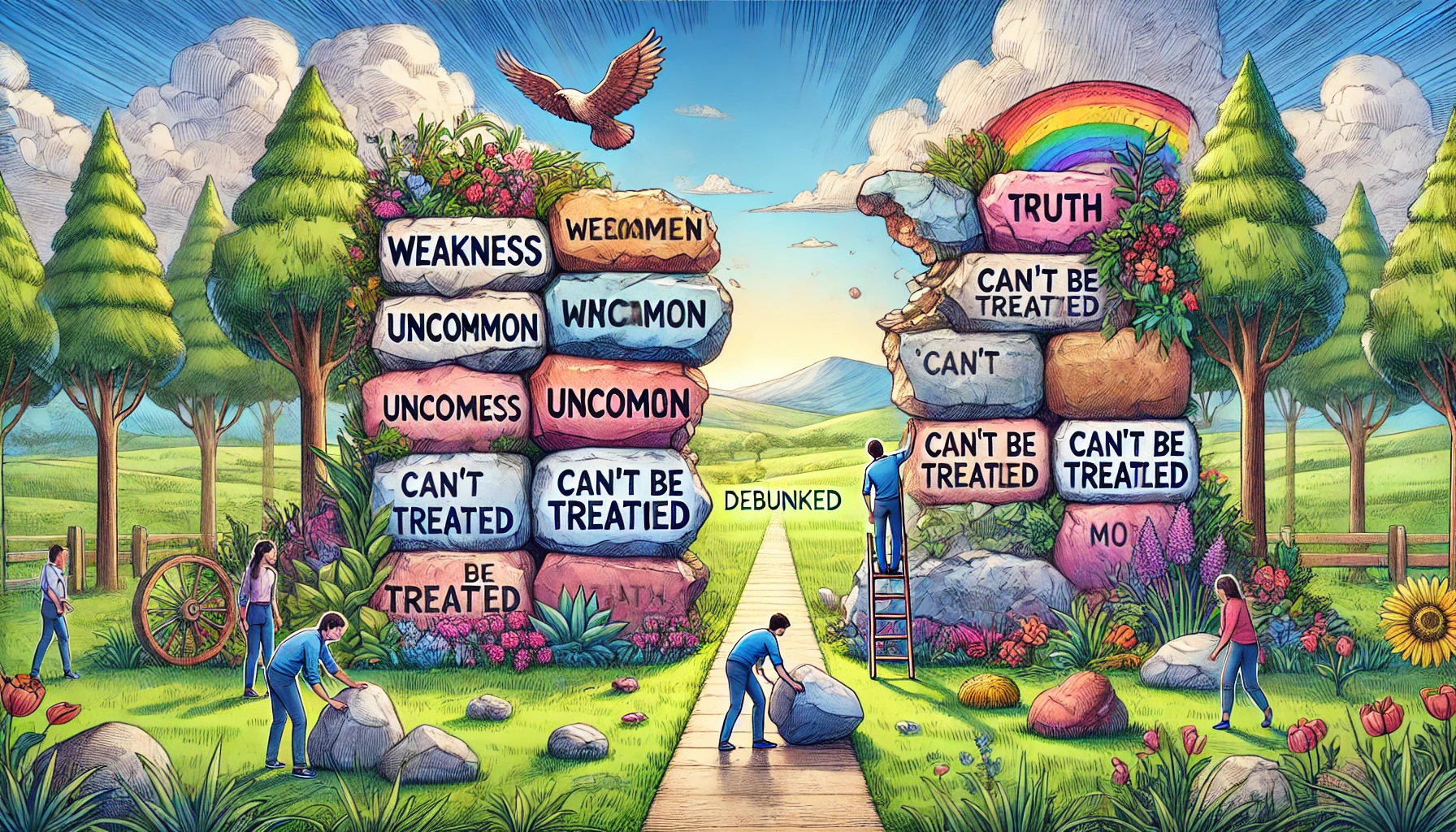
Mental health is a vital component of overall well-being, yet it is often misunderstood and surrounded by myths and misconceptions. These myths can perpetuate stigma, prevent individuals from seeking help, and lead to a lack of understanding and compassion. Debunking these misconceptions is essential to promoting mental health awareness, encouraging open discussions, and fostering a supportive environment for those experiencing mental health challenges.
Addressing these myths can help reduce the stigma associated with mental health conditions and provide accurate information that can empower individuals to seek treatment and support. This blog will debunk the top 10 myths about mental health, providing clarity and promoting a more informed perspective on the complexities of mental health issues.
1. Myth: Mental health problems are rare and affect only a few people.
- Fact: Mental health conditions are common and affect millions of people worldwide. According to the World Health Organization (WHO), one in four people will experience a mental health issue at some point in their lives.
- Understanding: Mental health issues can range from mild to severe and can affect anyone, regardless of age, gender, or background. Recognizing the prevalence of mental health conditions is crucial for promoting awareness and support.
2. Myth: Mental health problems are a sign of weakness.
- Fact: Mental health issues are not a sign of weakness but rather a result of a complex interplay of biological, psychological, and environmental factors. They can affect anyone, regardless of their strength or resilience.
- Understanding: Just as physical health conditions like diabetes or heart disease require medical attention, mental health conditions often require professional treatment and support. Seeking help is a sign of strength, not weakness.
3. Myth: People with mental health conditions are dangerous and unpredictable.
- Fact: The vast majority of people with mental health conditions are not dangerous. In reality, individuals with mental illnesses are more likely to be victims of violence than perpetrators.
- Understanding: This myth perpetuates fear and stigma, leading to discrimination and social exclusion. It’s important to approach individuals with mental health conditions with empathy and understanding, rather than fear.
4. Myth: Mental health issues can be overcome with willpower alone.
- Fact: While willpower and a positive attitude can help manage some aspects of mental health, many conditions require professional treatment, such as therapy, medication, or a combination of both.
- Understanding: Mental health conditions are medical issues, not character flaws. Professional treatment can provide the necessary tools and support to manage symptoms and improve quality of life.
5. Myth: Therapy is only for people with severe mental health issues.
- Fact: Therapy can benefit anyone, regardless of the severity of their mental health concerns. It can help individuals cope with stress, improve relationships, and enhance overall well-being.
- Understanding: Seeking therapy is a proactive step toward better mental health, not an indication of severe illness. It can provide valuable support for managing everyday challenges and personal growth.
6. Myth: Children and teenagers don’t experience mental health problems.
- Fact: Mental health issues can affect people of all ages, including children and teenagers. In fact, many mental health conditions, such as anxiety and depression, often first appear during adolescence.
- Understanding: Early intervention is crucial for young people experiencing mental health issues. Parents, educators, and caregivers should be aware of the signs and seek appropriate support and treatment.
7. Myth: People with mental health conditions can’t hold down a job.
- Fact: Many individuals with mental health conditions lead successful, fulfilling lives and have productive careers. With the right support and accommodations, people with mental health challenges can thrive in the workplace.
- Understanding: Discrimination and stigma can create barriers for individuals with mental health conditions. Promoting mental health awareness and supportive workplace practices can help create an inclusive environment.
8. Myth: Medication is the only effective treatment for mental health conditions.
- Fact: While medication can be an effective component of treatment for many mental health conditions, it is not the only option. Therapy, lifestyle changes, and support groups can also play significant roles in managing mental health.
- Understanding: A comprehensive treatment plan tailored to the individual’s needs is often the most effective approach. This may include a combination of medication, therapy, and other supportive measures.
9. Myth: Once you have a mental health condition, you will have it for life.
- Fact: Many people with mental health conditions recover fully or effectively manage their symptoms with appropriate treatment and support. Recovery is possible, and individuals can lead fulfilling lives.
- Understanding: Mental health is a dynamic aspect of well-being, and with the right support, individuals can experience improvement or remission of symptoms. It’s essential to focus on hope and the potential for recovery.
10. Myth: Talking about mental health issues will make them worse.
- Fact: Openly discussing mental health issues can provide relief, reduce stigma, and encourage individuals to seek help. Talking about mental health can lead to greater understanding and support from others.
- Understanding: Silence and stigma can exacerbate mental health issues. Encouraging open and honest conversations can help individuals feel less isolated and more supported in their journey toward better mental health.
In conclusion, debunking these common myths about mental health is vital for creating a more compassionate and informed society. By challenging misconceptions and promoting accurate information, we can reduce stigma, encourage people to seek help, and support those facing mental health challenges. Mental health awareness is not just about understanding mental health conditions but also about fostering a culture of empathy, acceptance, and support. Everyone has a role to play in promoting mental health awareness and creating an environment where individuals feel safe to discuss their experiences and seek the help they need.