
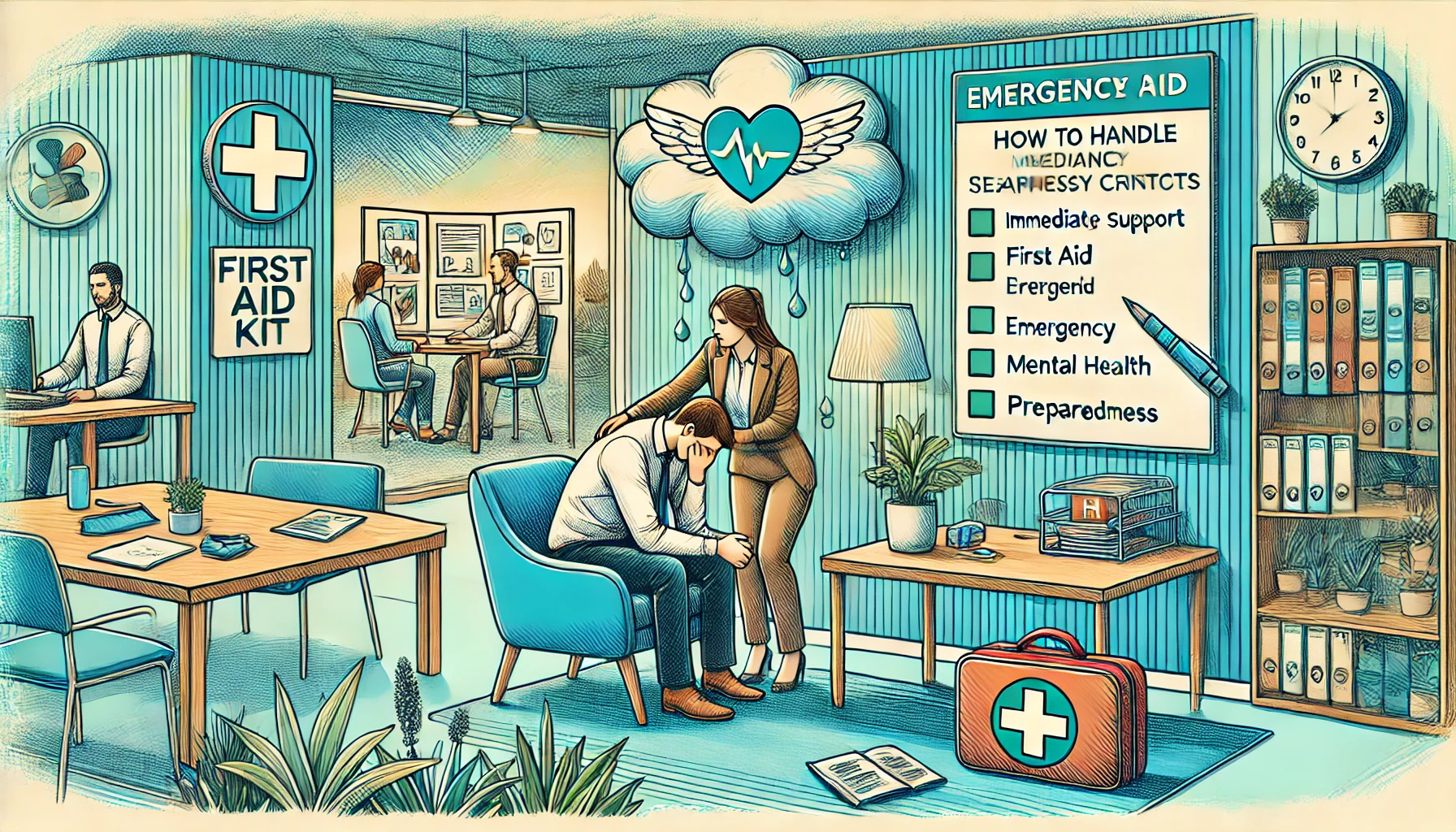
Mental health crises can occur unexpectedly in the workplace, affecting employees and the overall work environment. These crises may manifest as panic attacks, severe anxiety, emotional breakdowns, or other acute mental health episodes. Such situations require sensitive and immediate attention to ensure the safety and well-being of the individual experiencing the crisis and those around them. Handling a mental health crisis at work involves a combination of empathy, practical steps, and adherence to established protocols.
A well-prepared response to mental health crises can significantly reduce the potential for harm and promote a supportive work culture. Employers and employees alike must be equipped with the knowledge and tools to respond appropriately. This guide outlines the essential steps and considerations for handling mental health crises at work, ensuring a compassionate and effective approach to managing these challenging situations.
1. Recognize the Signs of a Mental Health Crisis
- Acute Anxiety or Panic Attacks: Sudden, intense feelings of fear or discomfort, often accompanied by physical symptoms such as rapid heartbeat, sweating, or shortness of breath.
- Emotional Outbursts: Uncharacteristic emotional reactions, including crying, yelling, or intense anger.
- Confusion or Disorientation: Difficulty focusing, memory lapses, or appearing confused and unable to follow a conversation.
- Withdrawal: Sudden withdrawal from social interactions, noticeable disengagement, or silence.
- Verbal Expressions of Distress: Statements indicating hopelessness, despair, or thoughts of self-harm.
2. Create a Safe Environment
- Calm the Situation: Approach the individual calmly and speak in a soft, non-threatening tone. Reassure them that they are in a safe place.
- Remove Potential Hazards: If possible, remove any objects that could pose a risk of harm to the individual or others.
- Provide Space: Give the individual space if they appear agitated, while ensuring they are not left completely alone.
- Limit Spectators: Minimize the number of people around to reduce stress and provide privacy.
- Non-Verbal Cues: Use non-verbal cues, such as a gentle nod or open body posture, to convey empathy and support.
3. Communicate with Empathy and Compassion
- Active Listening: Listen attentively without interrupting, allowing the individual to express themselves.
- Validate Feelings: Acknowledge the individual’s emotions without judgment, letting them know their feelings are valid.
- Offer Reassurance: Reassure the person that help is available and that they are not alone.
- Avoid Pressure: Do not pressure the individual to explain their feelings or actions; allow them to share at their own pace.
- Simple Language: Use simple, clear language to communicate, avoiding complex or ambiguous phrases.
4. Provide Immediate Support
- First Aid for Mental Health: If trained, provide immediate mental health first aid, such as grounding techniques for panic attacks.
- Offer a Quiet Space: Suggest moving to a quieter, more private area to help the individual feel more secure.
- Encourage Deep Breathing: Guide the individual in taking slow, deep breaths to help calm their nerves.
- Stay with the Person: Remain with the individual until they are stable or professional help arrives, ensuring they are not left alone.
- Provide Water: Offer water if the individual is physically distressed or dehydrated.
5. Involve Professional Help
- Contact EAP or HR: If your company has an Employee Assistance Program (EAP) or designated HR personnel, contact them for support and guidance.
- Call Emergency Services: If the crisis is severe and poses an immediate risk of harm, call emergency services (911 or equivalent) for urgent medical or psychological assistance.
- Notify a Mental Health Professional: If the individual has a known mental health professional, contact them for advice on how to proceed.
- Follow Protocols: Adhere to any established workplace protocols for handling mental health emergencies.
- Prepare Information: Be prepared to provide necessary information to emergency responders, such as the individual’s known mental health history or current medications.
6. Maintain Confidentiality
- Respect Privacy: Ensure that the details of the incident and the individual’s condition are kept confidential, shared only with necessary personnel.
- Discreet Communication: Communicate about the situation discreetly, avoiding public discussions that could lead to gossip or speculation.
- Documentation: Document the incident accurately and confidentially, following company procedures.
- Secure Records: Keep any records or documentation of the incident in a secure location, accessible only to authorized personnel.
- Legal Compliance: Ensure that all actions comply with relevant privacy laws and regulations, such as the Health Insurance Portability and Accountability Act (HIPAA) in the United States.
7. Support Colleagues and Bystanders
- Provide Information: Brief other employees about the situation in a general way, without sharing sensitive details, to reduce confusion or concern.
- Offer Support: Offer support or counseling services to colleagues who may have been affected by witnessing the crisis.
- Encourage Communication: Encourage open communication among team members about their feelings and concerns related to the incident.
- Monitor Reactions: Be aware of any signs of distress in other employees following the incident and offer appropriate support.
- Maintain Routine: Strive to maintain a sense of normalcy and routine in the workplace, reassuring employees that steps are being taken to address the situation.
8. Follow Up with the Affected Employee
- Check-In: Follow up with the individual after the incident to show care and concern for their well-being.
- Offer Resources: Provide information about available mental health resources, such as counseling services or support groups.
- Discuss Accommodations: If necessary, discuss potential accommodations or adjustments to their work duties or schedule.
- Monitor Progress: Monitor the individual’s progress and maintain open lines of communication.
- Respect Their Wishes: Respect the individual’s wishes regarding the level of follow-up and any requests for privacy.
9. Review and Improve Crisis Management Policies
- Debriefing: Conduct a debriefing session with involved parties to discuss what went well and areas for improvement.
- Policy Review: Review and update workplace policies related to mental health crises, ensuring they are comprehensive and effective.
- Training Programs: Implement or update training programs for managers and employees on recognizing and responding to mental health crises.
- Feedback Loop: Encourage feedback from employees about the incident response and any suggestions for improvement.
- Continuous Improvement: Continuously assess and refine crisis management strategies to ensure preparedness for future incidents.
10. Foster a Proactive Mental Health Culture
- Mental Health Awareness: Promote mental health awareness and education in the workplace, reducing stigma and encouraging openness.
- Supportive Environment: Create a supportive environment where employees feel safe discussing mental health issues.
- Regular Check-Ins: Encourage regular check-ins between managers and employees to discuss well-being and work-related concerns.
- Preventive Programs: Offer preventive programs, such as stress management workshops and wellness activities, to promote overall well-being.
- Encourage Self-Care: Encourage employees to practice self-care and prioritize their mental health, both at work and at home.
Handling mental health crises at work requires sensitivity, quick thinking, and a compassionate approach. By recognizing the signs of a crisis, providing immediate support, involving professional help, and maintaining confidentiality, employers and employees can effectively manage these situations. A proactive stance on mental health, coupled with a well-prepared crisis management plan, can help create a safe and supportive workplace for all.
In conclusion, effectively handling mental health crises at work involves a comprehensive approach that includes recognizing the signs, creating a safe environment, communicating with empathy, providing immediate support, involving professional help, maintaining confidentiality, supporting colleagues, following up with the affected employee, reviewing policies, and fostering a proactive mental health culture. By prioritizing mental health and being prepared to respond to crises, organizations can ensure a supportive and safe work environment. These efforts not only protect the well-being of employees but also contribute to a more compassionate and resilient workplace culture.