
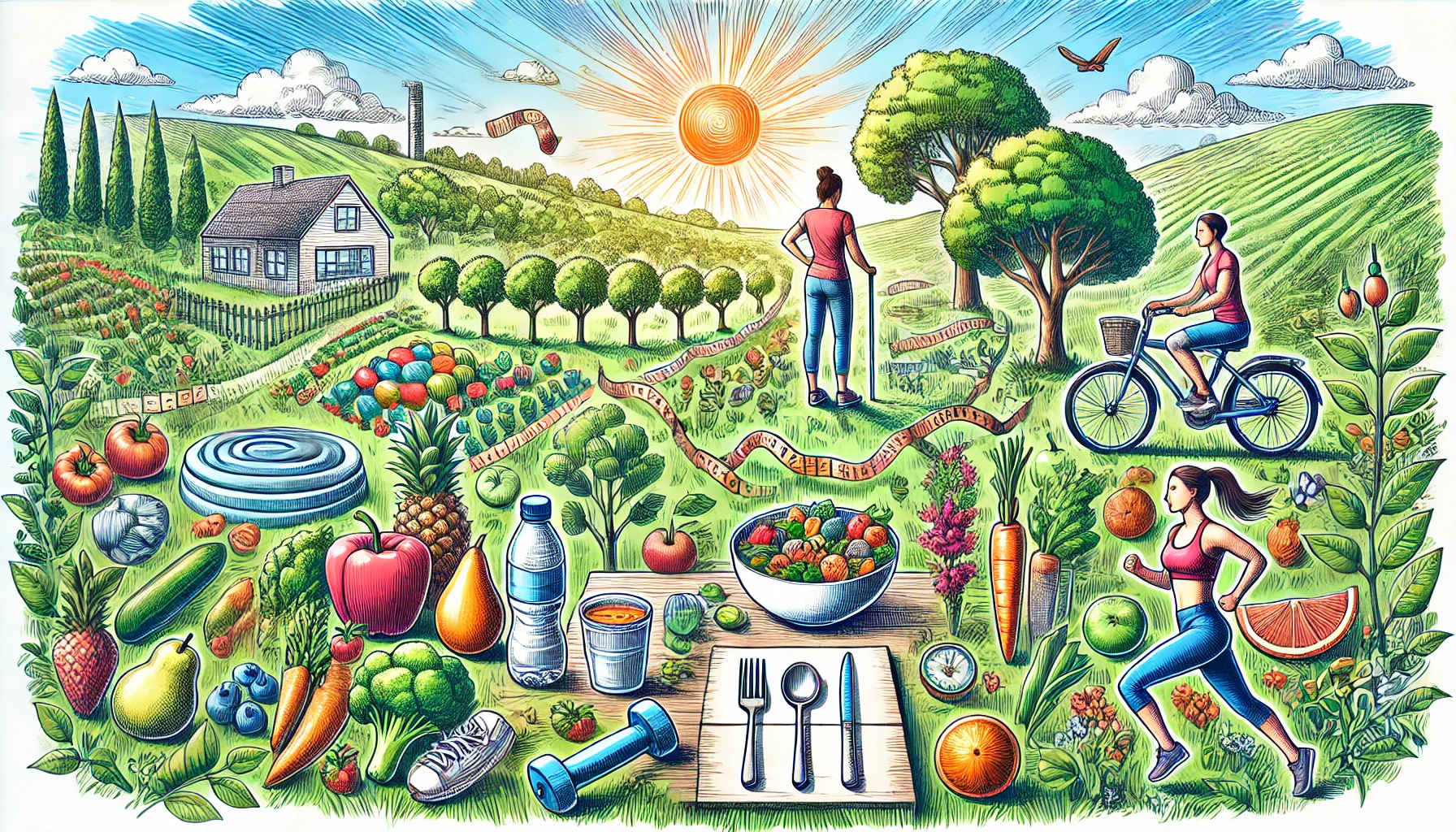
Achieving sustainable weight loss is a multifaceted process that requires a harmonious balance between diet and exercise. While both components are crucial for shedding pounds and maintaining a healthy weight, the right combination and approach can vary from person to person. Unlike quick-fix diets or extreme workout routines, a sustainable weight loss plan focuses on long-term lifestyle changes that are manageable and effective. This article delves into the importance of balancing diet and exercise for sustainable weight loss, offering practical tips to help you achieve lasting results.
The journey to sustainable weight loss is not about deprivation or punishing exercise routines. It’s about creating a healthy lifestyle that you can enjoy and maintain. Proper nutrition provides the fuel your body needs, while exercise helps burn calories and build muscle. Together, these elements work synergistically to promote weight loss and improve overall health. Let’s explore how to balance diet and exercise effectively to achieve your weight loss goals.
1. Understanding the Role of Diet in Weight Loss
- Caloric Deficit: To lose weight, consume fewer calories than you burn. A safe and sustainable caloric deficit is typically around 500-1,000 calories per day, leading to a loss of 1-2 pounds per week.
- Nutrient-Dense Foods: Focus on whole foods like fruits, vegetables, lean proteins, whole grains, and healthy fats, which provide essential nutrients without excess calories.
- Avoid Empty Calories: Limit the intake of sugary drinks, processed snacks, and high-fat foods that offer little nutritional value.
- Portion Control: Be mindful of portion sizes to avoid overeating, even with healthier foods.
- Balanced Macronutrients: Ensure your diet includes a balanced mix of carbohydrates, proteins, and fats to support overall health and energy levels.
2. The Importance of Exercise in Weight Loss
- Calorie Burning: Regular exercise helps burn calories, contributing to the caloric deficit needed for weight loss.
- Muscle Building: Strength training exercises help build muscle mass, which can increase metabolism and aid in weight maintenance.
- Cardiovascular Health: Cardio exercises, such as running, cycling, or swimming, improve heart health and endurance.
- Metabolic Boost: Exercise can boost metabolism, helping the body burn calories more efficiently.
- Mental Well-being: Physical activity releases endorphins, reducing stress and improving mood, which can support a healthy relationship with food.
3. Finding the Right Balance Between Diet and Exercise
- Complementary Roles: Understand that diet and exercise work together. While diet controls calorie intake, exercise increases calorie expenditure.
- Personalized Approach: Tailor your diet and exercise routine to your preferences, lifestyle, and fitness level.
- Avoid Extremes: Avoid extreme diets or excessive exercise, as they can lead to burnout and are not sustainable in the long term.
- Gradual Changes: Implement changes gradually to allow your body and mind to adjust, increasing the likelihood of long-term adherence.
- Monitor and Adjust: Regularly assess your progress and make adjustments to your diet and exercise plan as needed.
4. Creating a Sustainable Diet Plan
- Meal Planning: Plan meals ahead of time to ensure balanced nutrition and prevent impulsive eating.
- Incorporate Variety: Include a variety of foods in your diet to meet nutritional needs and prevent boredom.
- Healthy Substitutions: Make healthier substitutions, such as using Greek yogurt instead of sour cream or whole grain bread instead of white bread.
- Mindful Eating: Practice mindful eating by paying attention to hunger and fullness cues and savoring each bite.
- Moderation: Allow yourself occasional treats in moderation to avoid feelings of deprivation.
5. Designing an Effective Exercise Routine
- Mix of Workouts: Incorporate a combination of cardio, strength training, and flexibility exercises for a well-rounded routine.
- Enjoyable Activities: Choose exercises you enjoy, such as dancing, hiking, or playing a sport, to stay motivated.
- Consistency: Aim for at least 150 minutes of moderate-intensity exercise or 75 minutes of vigorous-intensity exercise per week, along with strength training exercises on two or more days.
- Progression: Gradually increase the intensity, duration, or frequency of your workouts as your fitness level improves.
- Rest and Recovery: Include rest days in your routine to allow your body to recover and prevent injuries.
6. The Role of Hydration
- Stay Hydrated: Drink plenty of water throughout the day to support metabolism, digestion, and overall health.
- Pre-Exercise Hydration: Ensure you are well-hydrated before exercising to enhance performance and prevent dehydration.
- Post-Exercise Hydration: Replenish fluids lost during exercise, especially if you sweat heavily.
- Avoid Sugary Drinks: Opt for water, herbal teas, or other low-calorie beverages instead of sugary drinks that can add unnecessary calories.
7. Managing Stress and Sleep
- Stress Management: Practice stress-reducing techniques like meditation, yoga, or deep breathing to prevent emotional eating and support mental well-being.
- Quality Sleep: Aim for 7-9 hours of quality sleep per night, as poor sleep can negatively impact metabolism and appetite regulation.
- Sleep Routine: Establish a consistent sleep schedule and create a relaxing bedtime routine to improve sleep quality.
- Avoid Late-Night Eating: Limit eating late at night, as it can interfere with sleep and lead to weight gain.
8. Tracking and Adjusting Your Plan
- Monitor Progress: Regularly track your weight, measurements, and fitness progress to stay motivated and identify areas for improvement.
- Adjust Caloric Intake: As you lose weight, your caloric needs may change. Adjust your intake accordingly to continue losing weight or maintain your new weight.
- Flexible Approach: Be flexible and willing to adjust your plan based on your progress and changing needs.
- Celebrate Milestones: Recognize and celebrate your achievements along the way, whether they are weight-related or related to fitness or overall health.
9. Building a Support System
- Social Support: Surround yourself with supportive friends and family who encourage your healthy lifestyle choices.
- Accountability Partners: Consider finding a workout buddy or joining a fitness class or support group for motivation and accountability.
- Share Your Journey: Share your goals and progress with others to build a network of support and encouragement.
- Seek Professional Guidance: Consult with healthcare professionals, such as dietitians or personal trainers, for personalized advice and support.
10. Long-Term Commitment and Mindset
- Lifestyle Change: View your weight loss journey as a long-term lifestyle change rather than a temporary fix.
- Positive Mindset: Focus on the benefits of a healthy lifestyle, such as improved energy, mood, and overall well-being, rather than just the number on the scale.
- Patience and Persistence: Understand that sustainable weight loss takes time and consistency. Be patient with yourself and stay committed to your goals.
- Embrace Flexibility: Be open to adjusting your plan as needed and find a balance that works for you in the long term.
Balancing diet and exercise is crucial for achieving and maintaining sustainable weight loss. A well-rounded approach that includes nutrient-dense foods, regular physical activity, and healthy lifestyle habits is key to long-term success. By understanding the complementary roles of diet and exercise, creating a personalized plan, and maintaining a positive mindset, you can achieve lasting results and enjoy a healthier, more fulfilling life. Remember, the journey to sustainable weight loss is not just about reaching a specific weight but about embracing a lifestyle that supports your overall well-being.