
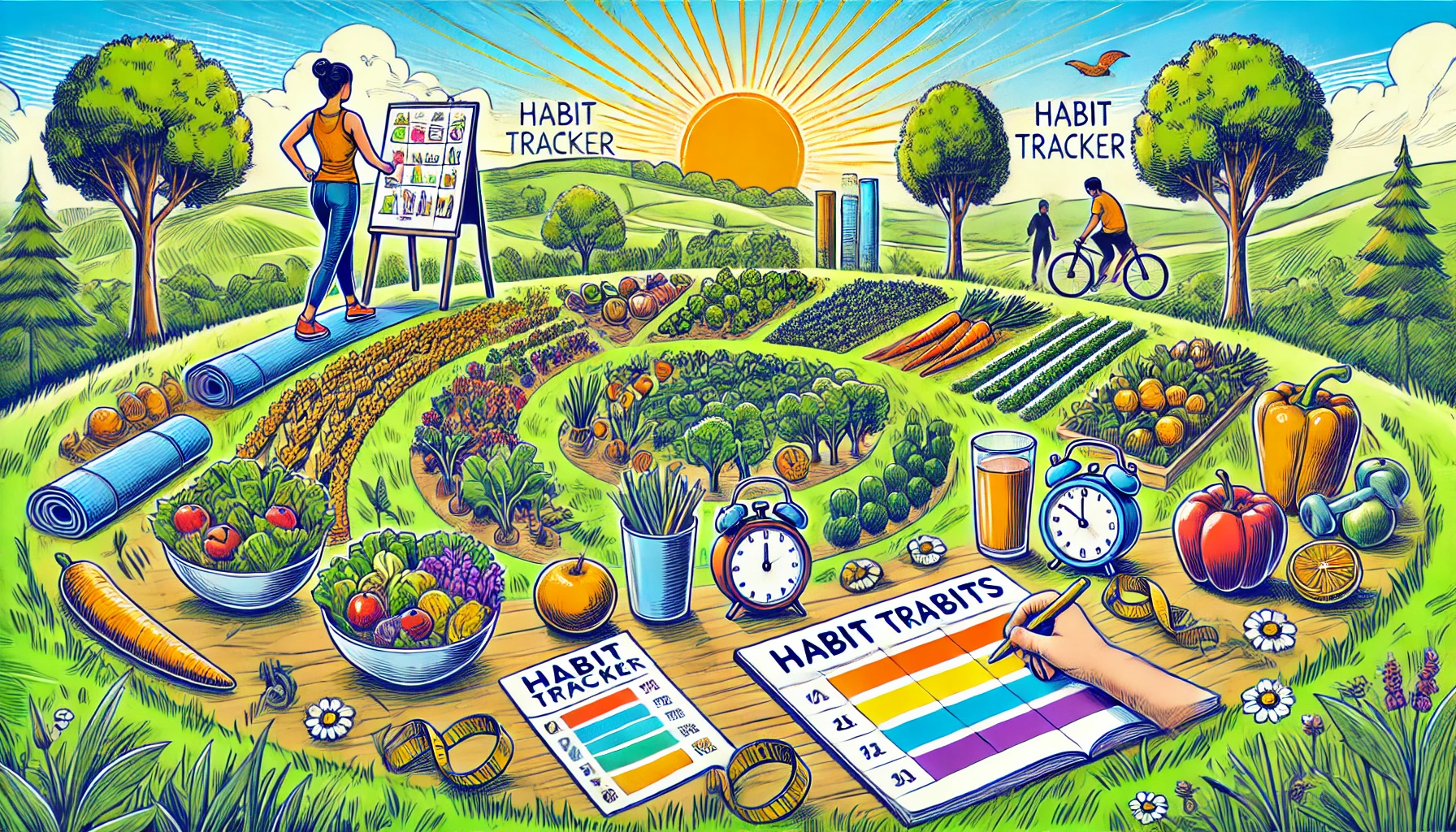
Achieving long-term weight loss is not merely about dieting or intense workout regimes; it’s about cultivating sustainable habits that integrate seamlessly into your daily life. Habits form the foundation of a healthy lifestyle and can significantly influence your ability to maintain weight loss over time. Unlike short-term fixes, which often lead to temporary results, developing healthy habits helps create a consistent routine that supports ongoing success. This article explores the vital role habits play in achieving and maintaining long-term weight loss.
Establishing healthy habits requires a deliberate and gradual approach. It involves identifying and reinforcing positive behaviors while also addressing and modifying detrimental ones. The beauty of habits lies in their potential to become automatic, requiring less mental effort over time. This can be particularly beneficial for weight management, as consistent behaviors like balanced eating, regular exercise, and mindful practices become second nature. Let’s delve into the key habits that contribute to long-term weight loss and how they can be effectively implemented.
1. Consistent Meal Planning and Preparation
- Structured Eating Schedule: Establish regular meal times to avoid erratic eating patterns and overeating.
- Balanced Nutrition: Plan meals that include a mix of lean proteins, whole grains, healthy fats, and plenty of vegetables.
- Portion Control: Pre-portion meals and snacks to prevent overeating and manage calorie intake.
- Healthy Cooking: Focus on cooking methods like grilling, steaming, or baking instead of frying.
- Grocery Shopping: Make a shopping list based on your meal plan to avoid impulse purchases and ensure you have healthy options available.
2. Regular Physical Activity
- Routine Exercise: Incorporate a variety of exercises, such as cardio, strength training, and flexibility workouts, into your weekly routine.
- Active Lifestyle: Find ways to incorporate physical activity into daily life, like walking or biking instead of driving.
- Enjoyable Activities: Choose activities you enjoy, making it easier to stay consistent with your fitness routine.
- Goal Setting: Set realistic fitness goals and track progress to stay motivated.
- Consistency Over Intensity: Focus on maintaining a consistent exercise routine rather than sporadic intense workouts.
3. Mindful Eating Practices
- Slow Eating: Take your time to eat and savor each bite, which can help you recognize fullness cues and prevent overeating.
- Avoid Distractions: Eat without distractions like TV or smartphones to focus on the experience of eating.
- Hunger and Satiety Awareness: Learn to distinguish between physical hunger and emotional cravings.
- Mindful Portions: Serve appropriate portions and avoid going back for seconds unless still genuinely hungry.
- Mindful Indulgences: Allow yourself occasional treats, but enjoy them mindfully and in moderation.
4. Quality Sleep and Rest
- Consistent Sleep Schedule: Aim for 7-9 hours of sleep per night and maintain a regular sleep schedule.
- Sleep Environment: Create a restful environment with a comfortable bed, dark room, and cool temperature.
- Pre-Sleep Routine: Establish a calming pre-sleep routine, such as reading or meditating, to signal to your body that it’s time to wind down.
- Limit Caffeine and Electronics: Avoid caffeine and electronic devices before bed to improve sleep quality.
- Recognize the Impact of Sleep: Understand the importance of sleep for overall health and weight management, as poor sleep can disrupt hormones related to hunger and metabolism.
5. Stress Management Techniques
- Identify Stressors: Recognize the sources of stress in your life and address them proactively.
- Relaxation Practices: Incorporate relaxation techniques like deep breathing, yoga, or meditation into your daily routine.
- Physical Activity: Use exercise as a way to relieve stress and improve mood.
- Healthy Outlets: Find healthy ways to cope with stress, such as journaling, talking to friends, or engaging in hobbies.
- Seek Professional Help: Don’t hesitate to consult a mental health professional if needed.
6. Hydration Habits
- Drink Water Regularly: Aim to drink at least 8 cups of water a day, more if you’re physically active.
- Limit Sugary Beverages: Reduce intake of sugary drinks like soda and fruit juices, opting for water or herbal teas instead.
- Hydration Cues: Drink water before meals and when feeling hungry, as thirst can sometimes be mistaken for hunger.
- Carry a Water Bottle: Keep a water bottle with you throughout the day as a reminder to stay hydrated.
- Infused Water: Add natural flavors like lemon or cucumber to water for variety without added sugars.
7. Positive Mindset and Self-Compassion
- Positive Self-Talk: Practice positive affirmations and encourage yourself through challenges.
- Celebrate Small Wins: Acknowledge and celebrate small victories along the way, not just major milestones.
- Self-Compassion: Be kind to yourself, especially during setbacks, and focus on progress rather than perfection.
- Focus on the Journey: Enjoy the process of becoming healthier rather than obsessing over the end result.
- Avoid Comparisons: Focus on your own progress and avoid comparing yourself to others.
8. Social Support and Accountability
- Support Network: Surround yourself with supportive friends and family who encourage your healthy lifestyle.
- Group Activities: Participate in group fitness classes or join a weight loss support group for added motivation.
- Share Goals: Communicate your goals with trusted individuals who can help hold you accountable.
- Professional Guidance: Seek advice from nutritionists, personal trainers, or therapists as needed.
- Engage in Social Activities: Plan social events that don’t revolve around food, such as hiking or game nights.
9. Continuous Learning and Adaptation
- Stay Informed: Keep up-to-date with reliable information on nutrition, exercise, and wellness.
- Learn from Mistakes: View setbacks as learning opportunities rather than failures.
- Adapt to Changes: Be flexible and willing to adjust your habits as your life circumstances change.
- Seek Professional Advice: Consult healthcare professionals for personalized guidance and support.
- Experiment and Innovate: Try new healthy recipes, workouts, and wellness practices to keep things interesting.
10. Long-Term Commitment and Patience
- Consistency: Focus on consistency in your habits rather than seeking quick results.
- Long-Term Vision: Keep the big picture in mind and understand that lasting change takes time.
- Patience: Be patient with yourself and the process, as sustainable weight loss is a gradual journey.
- Resilience: Develop resilience to cope with challenges and setbacks along the way.
- Maintenance Plan: Have a plan in place for maintaining your weight loss once you’ve reached your goal.
The role of habits in long-term weight loss cannot be overstated. Establishing and maintaining healthy habits is the cornerstone of sustainable weight management. By consistently practicing balanced nutrition, regular exercise, mindful eating, quality sleep, stress management, and positive thinking, you create a foundation for lasting success. It’s essential to approach this journey with patience, self-compassion, and a commitment to long-term change. Remember, the key to lasting weight loss lies in the small, consistent actions that become a part of your daily routine. Embrace the process and celebrate every step towards a healthier, happier you.