
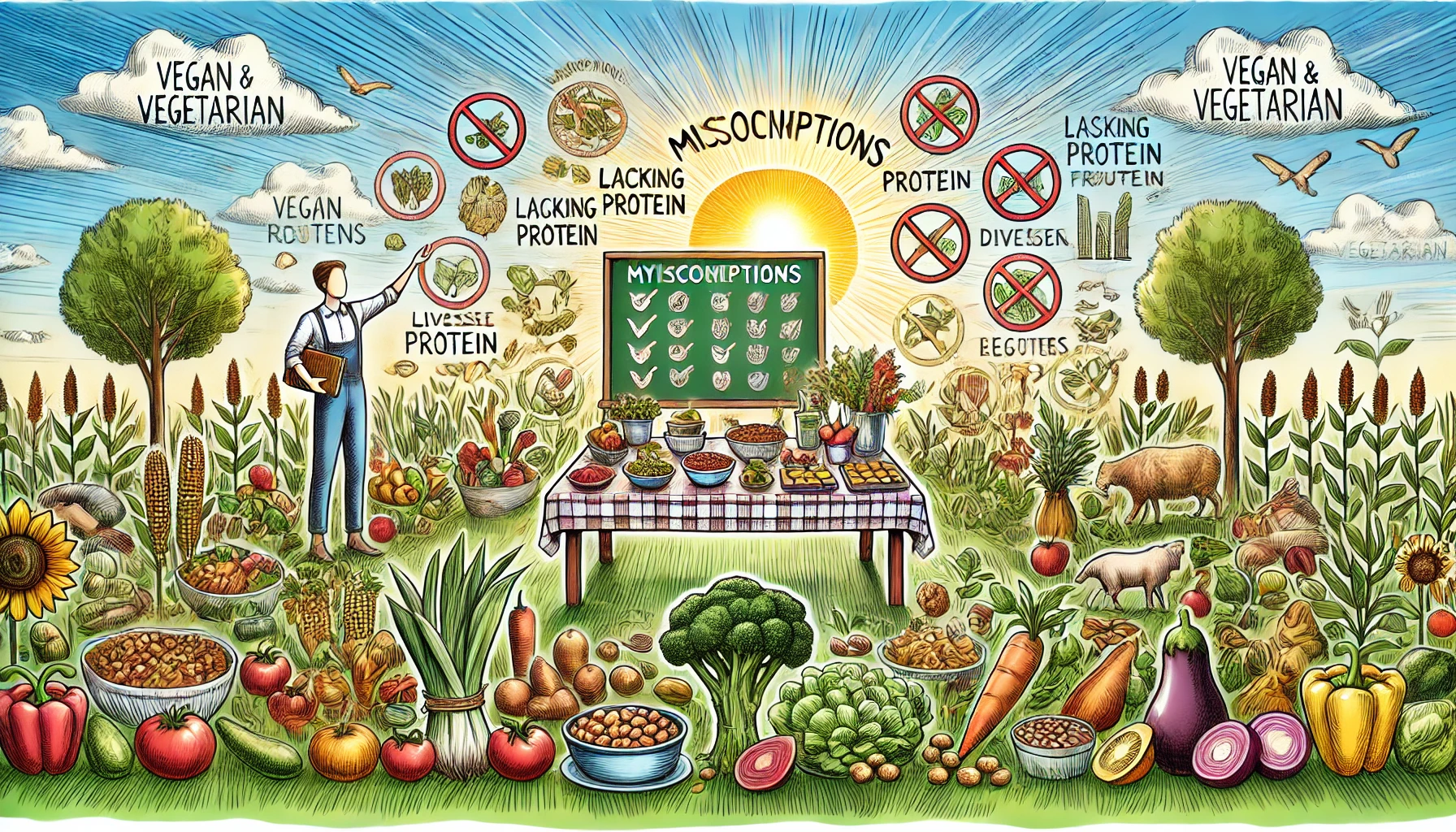
Vegan and vegetarian diets have gained popularity for their potential health benefits, ethical considerations, and environmental impact. However, numerous misconceptions persist about these plant-based lifestyles, leading to confusion and misinformation. This article aims to address and debunk some of the most common myths surrounding vegan and vegetarian diets, providing clarity and understanding.
Adopting a vegan or vegetarian diet can offer various benefits, but it requires careful planning to ensure nutritional adequacy. Let’s explore the myths and facts about these diets to help you make informed dietary choices.
1. Myth: Vegan and Vegetarian Diets Lack Protein
- Fact: While animal products are common sources of protein, numerous plant-based foods provide ample protein. Legumes, tofu, tempeh, seitan, quinoa, nuts, seeds, and whole grains are excellent protein sources.
- Complete Proteins: Combining different plant proteins throughout the day can provide all essential amino acids. For example, rice and beans together form a complete protein.
- Nutrient Density: Many plant-based proteins also offer additional nutrients like fiber, vitamins, and minerals.
- Adequacy: It is entirely possible to meet protein needs on a vegan or vegetarian diet with careful planning.
2. Myth: Vegan and Vegetarian Diets Are Deficient in Key Nutrients
- Fact: While certain nutrients like vitamin B12, iron, calcium, omega-3 fatty acids, and vitamin D may require attention, they can be obtained through fortified foods, supplements, or specific plant-based sources.
- Vitamin B12: This nutrient is not naturally found in plant foods but can be obtained through fortified foods or supplements.
- Iron: Plant-based sources of iron include lentils, chickpeas, tofu, and spinach. Consuming vitamin C-rich foods with these can enhance absorption.
- Calcium and Vitamin D: Fortified plant milks, leafy greens, and supplements can help meet calcium and vitamin D needs.
- Omega-3s: Flaxseeds, chia seeds, hemp seeds, and walnuts are good plant-based sources of omega-3 fatty acids.
3. Myth: Vegan and Vegetarian Diets Are Not Satisfying
- Fact: Plant-based diets can be diverse and flavorful, offering a wide range of satisfying meals. With the variety of plant-based proteins, grains, fruits, vegetables, and spices available, these diets can be as delicious and fulfilling as omnivorous diets.
- Variety: Exploring different cuisines and cooking methods can add excitement and variety to meals.
- Texture and Flavor: Plant-based dishes can include a range of textures and flavors, making meals enjoyable and satisfying.
- Satiety: Including sources of protein, fiber, and healthy fats can help ensure meals are filling.
4. Myth: Vegan and Vegetarian Diets Are Automatically Healthier
- Fact: While plant-based diets can offer health benefits, they are not automatically healthier. It’s possible to consume an unhealthy vegan or vegetarian diet if it includes too many processed foods, added sugars, and unhealthy fats.
- Whole Foods Focus: A focus on whole, minimally processed foods is essential for a balanced and nutritious diet.
- Nutrient Balance: Ensuring a balance of macronutrients (carbohydrates, proteins, and fats) and micronutrients (vitamins and minerals) is crucial.
- Mindful Eating: Like any diet, vegan and vegetarian diets require mindful eating practices to avoid overconsumption of unhealthy foods.
5. Myth: Vegan and Vegetarian Diets Are Expensive
- Fact: While some plant-based products can be pricey, many staple foods like beans, lentils, rice, oats, and seasonal vegetables are affordable. Planning meals and shopping for whole, unprocessed foods can make a vegan or vegetarian diet budget-friendly.
- Cost-Effective Foods: Bulk purchasing of grains, legumes, and frozen vegetables can save money.
- Meal Planning: Planning meals in advance and cooking at home can reduce costs compared to eating out or buying pre-packaged foods.
- Seasonal and Local: Buying seasonal and local produce can be more cost-effective and support local agriculture.
6. Myth: Vegan and Vegetarian Diets Are Difficult to Follow
- Fact: Transitioning to a vegan or vegetarian diet can require some adjustments, but it is not inherently difficult. With proper planning, knowledge, and resources, anyone can successfully follow these diets.
- Gradual Transition: Gradually reducing animal products and exploring plant-based alternatives can ease the transition.
- Support and Resources: Numerous cookbooks, websites, and online communities offer recipes, tips, and support for plant-based eating.
- Eating Out: Many restaurants now offer vegan and vegetarian options, making it easier to dine out.
7. Myth: Vegan and Vegetarian Diets Are Low in Energy
- Fact: Plant-based diets can provide sufficient energy for daily activities, sports, and even athletic training. It is essential to consume enough calories from a variety of sources, including whole grains, legumes, nuts, seeds, and healthy fats.
- Caloric Density: Including calorie-dense foods like nuts, seeds, avocados, and whole grains can ensure adequate energy intake.
- Athletic Performance: Many athletes successfully follow vegan or vegetarian diets, demonstrating that these diets can support high energy demands.
- Balanced Meals: Eating balanced meals with a good mix of macronutrients helps maintain energy levels.
8. Myth: All Vegans and Vegetarians Are Healthier
- Fact: Health outcomes on a vegan or vegetarian diet depend on overall dietary quality, lifestyle choices, and individual health factors. It’s possible for someone on a plant-based diet to have health issues if their diet is unbalanced or lacking in essential nutrients.
- Individual Variability: Health effects can vary based on genetics, activity level, and overall lifestyle.
- Comprehensive Health: A healthy lifestyle includes a balanced diet, regular physical activity, adequate sleep, and stress management.
- Health Monitoring: Regular health check-ups and blood tests can help monitor nutritional status and overall health.
9. Myth: Vegan and Vegetarian Diets Are Only for Adults
- Fact: Well-planned vegan and vegetarian diets can be suitable for all life stages, including children, adolescents, pregnant and breastfeeding women, and older adults. It is crucial to ensure that the diet provides all necessary nutrients for growth and development.
- Nutritional Needs: Attention to nutrient intake, such as protein, iron, calcium, vitamin B12, and omega-3s, is essential for all age groups.
- Growth and Development: Plant-based diets can support healthy growth and development in children and adolescents with proper planning.
- Professional Guidance: Consulting a healthcare provider or dietitian can help tailor a plant-based diet to meet individual needs at different life stages.
10. Myth: Vegan and Vegetarian Diets Lack Variety
- Fact: Vegan and vegetarian diets can be incredibly diverse and include a wide range of fruits, vegetables, grains, legumes, nuts, seeds, and plant-based proteins. The availability of plant-based products and global cuisines offers endless possibilities for varied and delicious meals.
- Global Cuisines: Many cuisines, such as Indian, Mediterranean, and Middle Eastern, offer naturally vegan or vegetarian dishes.
- Cooking Techniques: Different cooking methods, such as grilling, roasting, steaming, and sautéing, add variety to meals.
- Experimentation: Experimenting with new ingredients, spices, and recipes can keep meals exciting and prevent monotony.
In conclusion, vegan and vegetarian diets can be nutritious, satisfying, and suitable for all life stages when well-planned. However, they are not automatically healthier, and like any diet, they require thoughtful consideration of nutrient intake and overall dietary balance. By debunking these common myths, we can better understand the realities of plant-based diets and appreciate their potential benefits.