
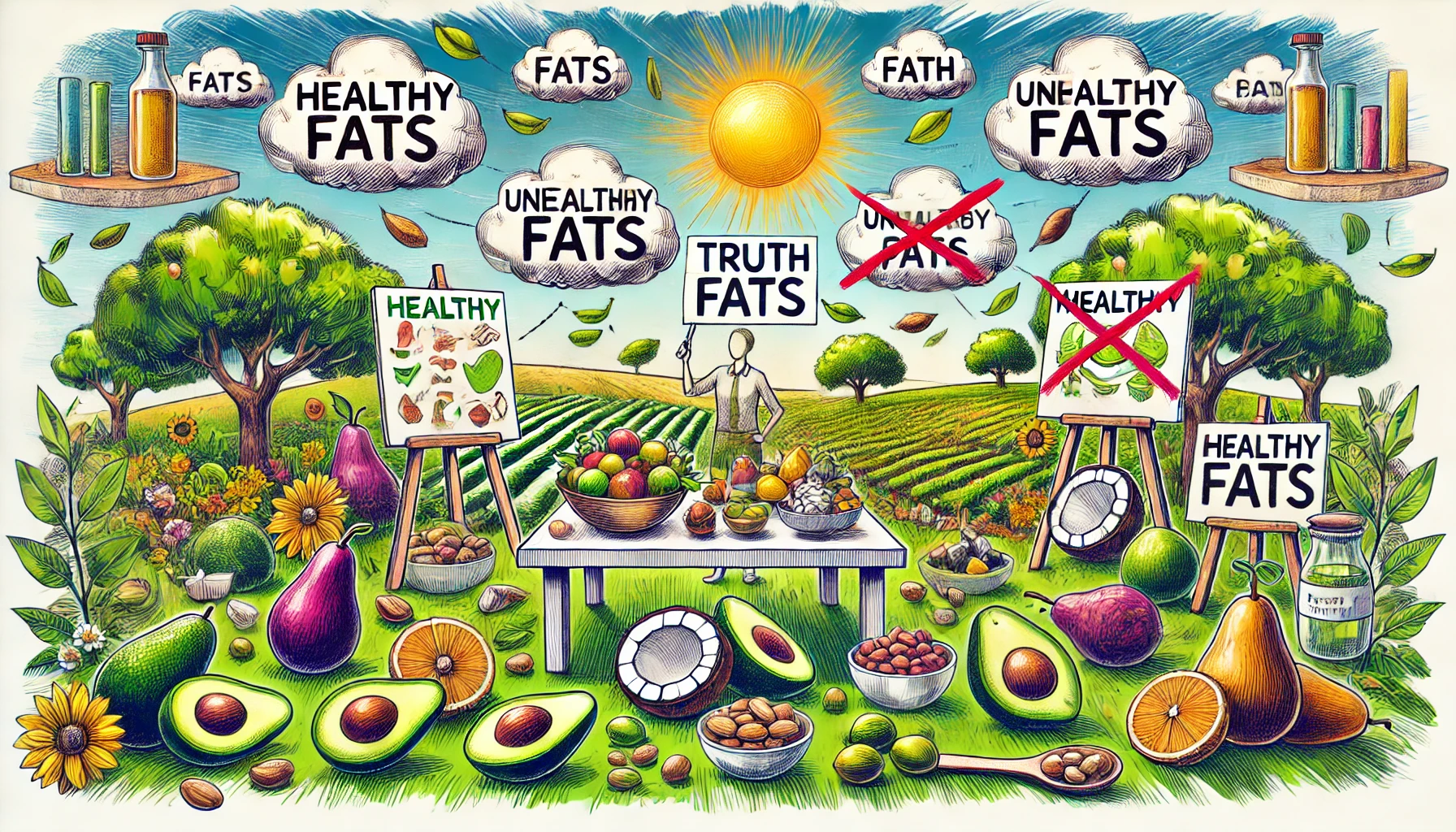
Fats are an essential part of our diet, but they often come with a reputation that varies from being a necessary nutrient to being a dietary villain. This mixed perception leads to confusion and misinformation about their role in health. Understanding the different types of fats and their impact on the body is crucial for making informed dietary choices. In this article, we’ll separate fact from fiction and clarify the truth about fats.
Fats are not only a source of energy but also play key roles in various bodily functions, including hormone production, nutrient absorption, and cell structure. However, not all fats are created equal. Let’s explore the facts and debunk the myths surrounding dietary fats.
1. Myth: All Fats Are Bad for You
- Truth: Not all fats are harmful; in fact, some are essential for good health. The key is to understand the different types of fats and their effects on the body.
- Healthy Fats: Unsaturated fats, including monounsaturated and polyunsaturated fats, are beneficial and can help reduce the risk of heart disease.
- Unhealthy Fats: Saturated and trans fats, found in processed and fried foods, can raise bad cholesterol levels and increase the risk of heart disease.
- Balanced Diet: Incorporate a variety of healthy fats while limiting the intake of harmful fats to maintain overall health.
2. Myth: Eating Fat Leads to Weight Gain
- Truth: Weight gain is caused by consuming more calories than you burn, regardless of the macronutrient source. Healthy fats can be part of a balanced diet without leading to weight gain.
- Caloric Density: While fats are calorie-dense, they also provide satiety, which can help control appetite and prevent overeating.
- Metabolism: Including healthy fats in your diet can support metabolic health and promote weight management.
- Portion Control: Be mindful of portion sizes when consuming fats, as they are calorie-dense and can contribute to excess caloric intake if not moderated.
3. Myth: Low-Fat Diets Are Healthier
- Truth: Low-fat diets are not necessarily healthier. The quality of fats consumed is more important than the quantity.
- Essential Nutrients: Fats are necessary for the absorption of fat-soluble vitamins (A, D, E, and K) and the production of essential hormones.
- Healthy Fats: Diets that include healthy fats, such as those from nuts, seeds, avocados, and olive oil, are associated with numerous health benefits.
- Balanced Intake: A balanced intake of fats, proteins, and carbohydrates is key to a healthy diet. Eliminating fats can lead to nutrient deficiencies and other health issues.
4. Myth: Saturated Fats Are Always Bad
- Truth: While excessive intake of saturated fats can raise LDL cholesterol levels, not all saturated fats have the same effects. The impact on health can vary depending on the type and source.
- Whole Foods: Saturated fats from whole foods like coconut oil, dark chocolate, and dairy can be part of a balanced diet when consumed in moderation.
- Context Matters: The overall dietary pattern is more important than focusing solely on one nutrient. A diet rich in whole, minimally processed foods is more beneficial than one high in processed foods, regardless of fat content.
- Moderation: Enjoy saturated fats in moderation, focusing on whole food sources rather than processed foods.
5. Myth: Trans Fats Are Not a Major Concern Anymore
- Truth: Trans fats are still a concern, even though they have been largely removed from processed foods in many countries. They are linked to increased risk of heart disease, inflammation, and other health issues.
- Hidden Sources: Trans fats can still be found in some processed foods, baked goods, and fried foods. Always check labels for partially hydrogenated oils, which indicate the presence of trans fats.
- Complete Avoidance: It’s best to avoid trans fats as much as possible due to their harmful effects on health.
- Regulations: Be aware of regulations in your country and seek out products labeled as trans fat-free.
6. Myth: Cholesterol in Food Is the Same as Blood Cholesterol
- Truth: Dietary cholesterol has a smaller effect on blood cholesterol levels for most people compared to the intake of saturated and trans fats.
- Individual Response: Some individuals, known as “hyper-responders,” may experience a rise in blood cholesterol with increased dietary cholesterol, but this is not common.
- Overall Diet: Focus on a diet low in saturated and trans fats while including healthy fats, as this has a greater impact on blood cholesterol levels.
- Healthy Cholesterol Levels: Include foods that support healthy cholesterol levels, such as fiber-rich vegetables, fruits, whole grains, and healthy fats.
7. Myth: Cooking Oils Are All the Same
- Truth: Different cooking oils have varying smoke points, nutritional profiles, and health impacts. Choosing the right oil depends on the cooking method and desired health benefits.
- High-Heat Cooking: Use oils with high smoke points, like avocado oil and refined coconut oil, for frying and sautéing.
- Cold Dishes: Olive oil and flaxseed oil are best used in salads and dressings due to their lower smoke points and beneficial omega-3 content.
- Nutrient Content: Consider the nutrient profile of oils, such as the presence of omega-3 fatty acids or polyphenols, which can offer additional health benefits.
- Variety: Use a variety of oils to benefit from their unique nutritional properties.
8. Myth: Fats Have No Place in a Healthy Diet
- Truth: Fats are essential for numerous bodily functions, including hormone production, brain health, and cell structure.
- Healthy Fats: Prioritize healthy fats from plant-based sources like nuts, seeds, avocados, and olive oil, as well as omega-3 rich foods like flaxseeds and walnuts.
- Essential Fatty Acids: Omega-3 and omega-6 fatty acids are essential fats that the body cannot produce on its own and must be obtained through diet.
- Daily Intake: Include a variety of healthy fats in your daily diet to support overall health and well-being.
- Moderation: Balance fat intake with other macronutrients to maintain a healthy, well-rounded diet.
9. Myth: You Should Avoid Fats to Lower Cholesterol
- Truth: Not all fats negatively affect cholesterol levels. Replacing saturated and trans fats with unsaturated fats can help improve cholesterol levels.
- Healthy Swaps: Use healthy fats like olive oil or avocado in place of butter or lard to help lower LDL cholesterol.
- Fiber and Phytosterols: Include fiber-rich foods and phytosterols from plant foods to support healthy cholesterol levels.
- Heart Health: A diet rich in healthy fats can reduce the risk of heart disease by improving lipid profiles and reducing inflammation.
- Overall Balance: Maintain a balanced diet that includes healthy fats, fiber, and other nutrients to support heart health.
10. Myth: Fat-Free Foods Are Healthier
- Truth: Fat-free or low-fat foods often contain added sugars and artificial ingredients to compensate for the lack of flavor and texture, making them less healthy.
- Natural Fats: Consuming natural fats from whole foods can be more satisfying and nutritious than processed fat-free alternatives.
- Satiety: Fats contribute to feelings of fullness and satisfaction, which can help prevent overeating.
- Quality Over Quantity: Focus on the quality of fats rather than simply eliminating them from your diet.
- Whole Foods: Prioritize whole, minimally processed foods that naturally contain healthy fats.
In conclusion, fats are a vital component of a healthy diet, providing essential nutrients and supporting various bodily functions. The key is to focus on the quality and type of fats you consume, opting for healthy sources while minimizing harmful fats. By debunking these common myths, you can make informed decisions about incorporating fats into your diet, leading to better overall health and well-being.