
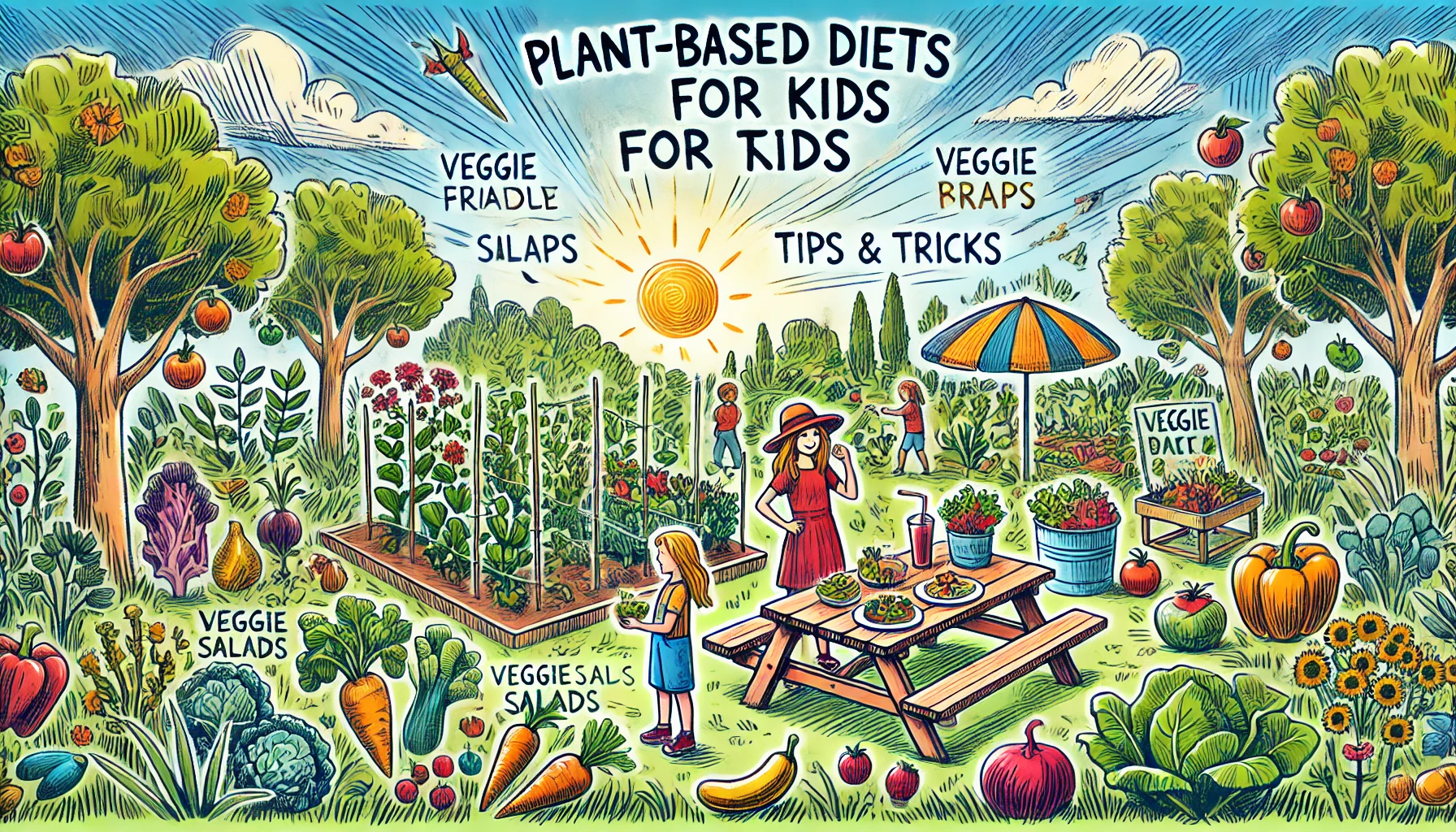
Introducing kids to a plant-based diet can be a rewarding experience, setting the foundation for healthy eating habits that can last a lifetime. A plant-based diet, which focuses on vegetables, fruits, grains, nuts, seeds, and legumes, offers numerous health benefits, including improved digestion, better heart health, and a lower risk of chronic diseases. Ensuring that children get the necessary nutrients while enjoying their meals requires careful planning and creativity. Here are some tips and tricks to help make a plant-based diet enjoyable and nutritious for kids.
1. Make It Fun and Engaging
- Colorful Plates: Create vibrant meals with a variety of colorful fruits and vegetables. Kids are more likely to eat foods that look appealing and fun.
- Shape and Presentation: Use cookie cutters to shape fruits and veggies into fun designs or create food art on their plates.
- Involve Kids: Let children help with meal planning, shopping, and preparation. They are more likely to try foods they helped prepare.
- Themed Meals: Plan themed meals like “Rainbow Day” where each meal includes fruits and vegetables of different colors, or “Build Your Own Taco Night” with various plant-based toppings.
2. Focus on Balanced Nutrition
- Protein: Ensure adequate protein intake by including a variety of plant-based sources such as beans, lentils, tofu, tempeh, edamame, quinoa, and chickpeas.
- Healthy Fats: Incorporate healthy fats from avocados, nuts, seeds, and plant-based oils like olive oil and flaxseed oil.
- Calcium: Provide calcium-rich foods such as fortified plant milks, tofu, almonds, sesame seeds, chia seeds, and leafy greens like kale and bok choy.
- Iron: Include iron-rich foods like lentils, beans, tofu, quinoa, spinach, and fortified cereals. Pair them with vitamin C-rich foods like oranges, strawberries, and bell peppers to enhance absorption.
- Omega-3s: Ensure omega-3 intake with chia seeds, flaxseeds, hemp seeds, walnuts, and algal oil supplements if necessary.
- Vitamin B12: Use fortified foods like plant milks and nutritional yeast, or consider a vitamin B12 supplement to ensure adequate intake.
3. Create Kid-Friendly Recipes
- Smoothies: Blend fruits, leafy greens, and plant-based milk into delicious smoothies. Add chia seeds or flaxseeds for an extra nutrient boost.
- Oatmeal: Prepare oatmeal with fortified plant-based milk and top with fruits, nuts, and seeds for a nutritious breakfast.
- Veggie Nuggets: Make homemade veggie nuggets using blended vegetables, chickpeas, and breadcrumbs. Bake until crispy and serve with a favorite dipping sauce.
- Pasta Dishes: Use whole grain or legume-based pasta and mix with marinara sauce, vegetables, and nutritional yeast for a cheesy flavor.
- Wraps and Sandwiches: Fill whole grain wraps or sandwiches with hummus, avocado, veggies, and beans for a balanced meal.
4. Pack Nutritious Lunches
- Bento Boxes: Use bento boxes to create balanced lunches with sections for fruits, vegetables, grains, and proteins.
- Snack Packs: Include a variety of healthy snacks like baby carrots, cucumber slices, apple slices, grapes, and trail mix.
- Homemade Snacks: Make energy balls, granola bars, or muffins using whole, plant-based ingredients for a nutritious snack.
- Leftovers: Utilize dinner leftovers for lunch, such as veggie stir-fry, grain salads, or bean burritos.
- Dips and Spreads: Pack hummus, guacamole, or nut butters as dips for vegetables and whole grain crackers.
5. Encourage Hydration
- Water First: Encourage kids to drink water throughout the day. Use fun water bottles to make it more appealing.
- Infused Water: Add slices of fruits like lemon, orange, or berries to water for a naturally flavored, refreshing drink.
- Smoothies: Offer smoothies as a hydrating and nutrient-rich option.
- Limit Sugary Drinks: Avoid sugary beverages and opt for water or diluted fruit juices.
6. Introduce New Foods Gradually
- Small Steps: Introduce new plant-based foods one at a time and in small amounts to allow kids to adjust to new flavors and textures.
- Consistency: Offer new foods repeatedly in different forms and contexts. It may take several tries before a child accepts a new food.
- Positive Reinforcement: Praise kids for trying new foods and create a positive eating environment without pressuring them to eat.
7. Educate and Empower
- Food Education: Teach kids about the benefits of plant-based foods and where their food comes from.
- Cooking Skills: Involve kids in age-appropriate cooking activities to help them develop skills and interest in plant-based cooking.
- Garden Together: If possible, grow a small garden together. Kids are more likely to eat vegetables they helped grow.
8. Plan for Parties and Outings
- Pack Snacks: Bring plant-based snacks like fruit, veggie sticks, and hummus to parties and outings to ensure healthy options are available.
- Potluck Dishes: Prepare and bring a favorite plant-based dish to share at gatherings.
- Restaurant Choices: Research restaurants that offer plant-based options and choose kid-friendly dishes when dining out.
9. Address Nutritional Concerns
- Regular Check-Ups: Schedule regular check-ups with a pediatrician to monitor growth and development and discuss any nutritional concerns.
- Supplements: Consider supplements for nutrients that might be harder to obtain from diet alone, such as vitamin B12 and omega-3s.
- Balanced Diet: Ensure that the overall diet is balanced and varied, providing all essential nutrients through a combination of whole foods and fortified products.
10. Lead by Example
- Model Behavior: Show enthusiasm for plant-based foods and make healthy eating a family affair.
- Family Meals: Eat meals together as a family to promote a positive eating environment and healthy habits.
- Consistency: Consistently incorporate plant-based meals into family routines and celebrate the benefits of eating whole, nutritious foods.
Sample Plant-Based Meal Plan for Kids
Breakfast: Banana Oat Pancakes
- Ingredients: Rolled oats, ripe bananas, plant-based milk, baking powder, cinnamon.
- Preparation: Blend all ingredients until smooth. Cook pancakes on a griddle until golden brown. Serve with fresh fruit and a drizzle of maple syrup.
Lunch: Veggie Wrap
- Ingredients: Whole grain wrap, hummus, shredded carrots, cucumber slices, bell pepper strips, spinach.
- Preparation: Spread hummus on the wrap, add vegetables, and roll up. Serve with a side of apple slices and nut butter.
Dinner: Lentil Tacos
- Ingredients: Cooked lentils, taco seasoning, lettuce, tomatoes, avocado, whole grain tortillas.
- Preparation: Season lentils with taco seasoning and heat. Fill tortillas with lentils and toppings. Serve with a side of corn and black bean salad.
Snack: Fruit and Nut Mix
- Ingredients: Dried fruit (such as raisins or cranberries), mixed nuts, seeds.
- Preparation: Combine dried fruit, nuts, and seeds for a quick, nutritious snack.
Dessert: Berry Chia Pudding
- Ingredients: Chia seeds, plant-based milk, maple syrup, vanilla extract, mixed berries.
- Preparation: Mix chia seeds, plant-based milk, maple syrup, and vanilla extract. Let sit in the refrigerator for at least 4 hours or overnight. Top with fresh berries before serving.
In conclusion, incorporating more plant-based foods into your child’s diet can be both fun and beneficial. By focusing on balanced nutrition, creating kid-friendly recipes, and involving children in the process, you can make plant-based eating an enjoyable and sustainable lifestyle for your family. With these tips and tricks, you can ensure your kids receive all the nutrients they need while developing healthy eating habits that will last a lifetime.