
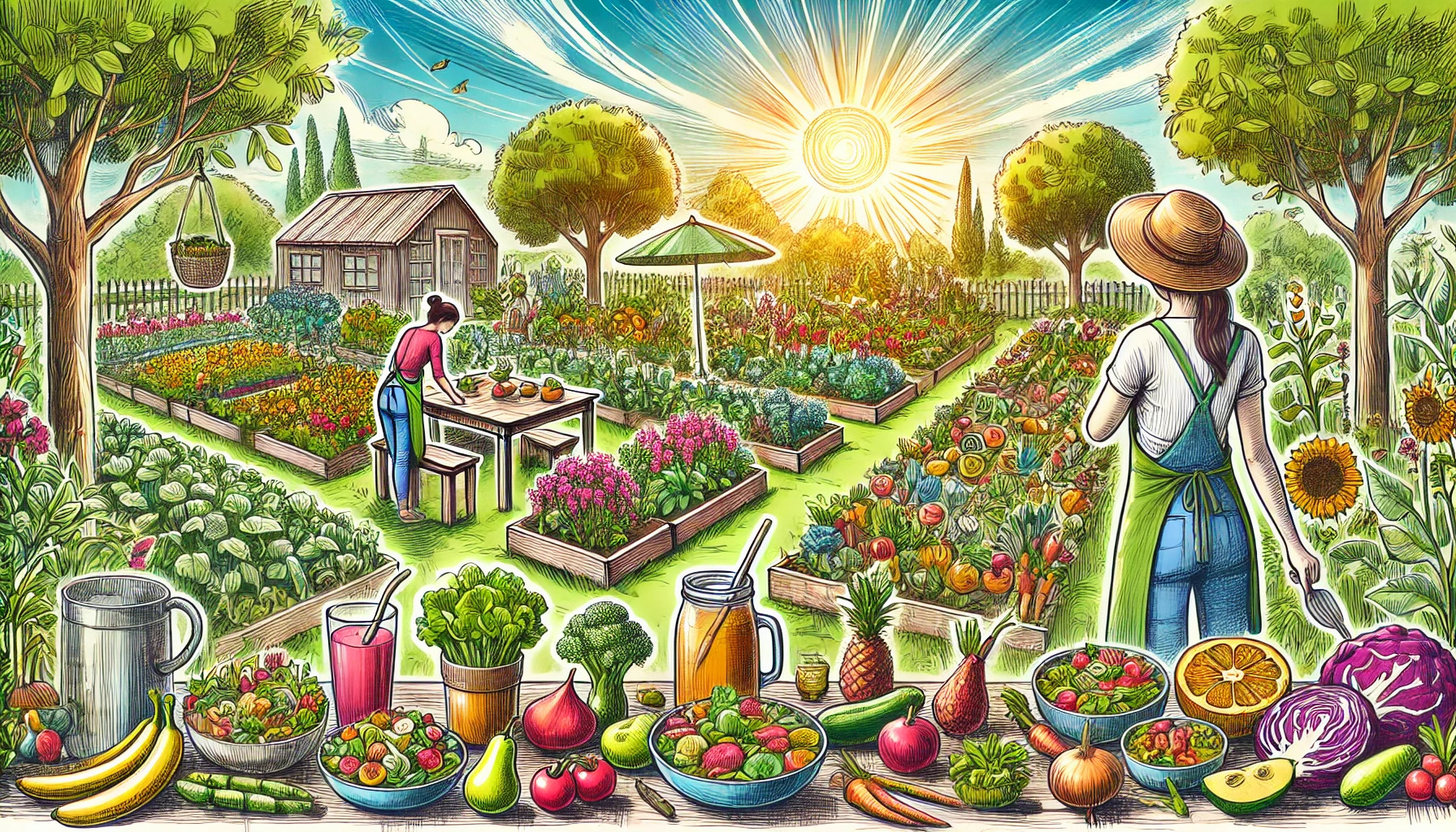
Switching to a plant-based diet or simply incorporating more plant-based foods into your existing diet can offer numerous health benefits, including improved digestion, better heart health, and increased energy levels. Plant-based diets emphasize whole foods like vegetables, fruits, grains, nuts, seeds, and legumes, which are rich in nutrients and fiber. Making this transition doesn’t have to be overwhelming. With some practical strategies and delicious recipes, you can easily add more plant-based foods to your meals.
1. Start with One Plant-Based Meal a Day
- Ease into It: Begin by replacing one meal a day with a plant-based option. Breakfasts are a great starting point with options like oatmeal, smoothies, or avocado toast.
- Plan Ahead: Choose simple recipes and plan your meals in advance to make the transition smoother.
- Explore New Recipes: Experiment with new plant-based recipes to keep your meals exciting and varied.
2. Focus on Whole Foods
- Minimize Processed Foods: Choose whole, minimally processed foods like fresh fruits, vegetables, whole grains, nuts, seeds, and legumes.
- Nutrient Density: Whole foods are packed with nutrients, fiber, and antioxidants, which support overall health and well-being.
- Simple Swaps: Replace refined grains with whole grains (e.g., white rice with brown rice or quinoa) and sugary snacks with fresh fruits.
3. Add More Vegetables to Every Meal
- Bulk Up Your Plate: Fill half of your plate with a variety of colorful vegetables to boost nutrient intake and promote satiety.
- Versatile Options: Add veggies to soups, stews, stir-fries, salads, and sandwiches for extra flavor and nutrition.
- Sneaky Veggies: Incorporate vegetables into dishes where they might not be expected, such as adding spinach to smoothies or grated carrots to pasta sauces.
4. Experiment with Plant-Based Proteins
- Diverse Sources: Include a variety of plant-based proteins like beans, lentils, tofu, tempeh, edamame, chickpeas, and quinoa in your meals.
- Meat Alternatives: Try plant-based meat alternatives for familiar dishes, such as veggie burgers, lentil tacos, or chickpea curry.
- Protein-Rich Recipes: Explore recipes that highlight plant-based proteins, like black bean chili, lentil soup, or tofu stir-fry.
5. Incorporate Whole Grains
- Variety of Grains: Add whole grains like quinoa, brown rice, farro, barley, and bulgur to your diet for added fiber and nutrients.
- Breakfast Options: Start your day with whole grain options such as oatmeal, whole wheat toast, or quinoa porridge.
- Side Dishes: Use whole grains as the base for salads, bowls, and side dishes to create filling and balanced meals.
6. Snack on Nuts and Seeds
- Healthy Snacks: Choose nuts and seeds like almonds, walnuts, chia seeds, flaxseeds, and sunflower seeds for nutrient-dense snacks.
- Portion Control: Be mindful of portion sizes, as nuts and seeds are calorie-dense. A small handful is usually sufficient.
- Add to Meals: Sprinkle nuts and seeds on salads, oatmeal, yogurt, and smoothies for added crunch and nutrition.
7. Use Plant-Based Milks
- Dairy Alternatives: Replace cow’s milk with plant-based alternatives like almond milk, soy milk, oat milk, or coconut milk in your recipes and beverages.
- Versatility: Use plant-based milks in smoothies, coffee, tea, cereals, and baking.
- Nutritional Boost: Choose fortified plant-based milks to ensure you get essential nutrients like calcium and vitamin D.
8. Explore Plant-Based Cooking Methods
- Roasting and Grilling: Roast or grill vegetables for enhanced flavor and texture. Season with herbs and spices for variety.
- Stir-Frying and Sautéing: Quickly cook vegetables, tofu, and tempeh in a stir-fry or sauté for a fast and nutritious meal.
- Steaming and Boiling: Steam or boil vegetables to retain nutrients and enjoy as a side dish or in salads.
9. Incorporate Legumes into Your Diet
- Beans and Lentils: Add beans, lentils, and chickpeas to soups, stews, salads, and casseroles for a protein and fiber boost.
- Hummus and Dips: Make homemade hummus, bean dips, and spreads to use as snacks or sandwich fillings.
- Burgers and Patties: Create homemade veggie burgers and patties using beans, lentils, and grains for a satisfying meal.
10. Make Plant-Based Swaps
- Meatless Mondays: Dedicate one day a week to eating only plant-based meals to gradually incorporate more plant-based foods into your diet.
- Dairy-Free Options: Use plant-based yogurts, cheeses, and butters as alternatives to dairy products.
- Egg Substitutes: Use flaxseed meal, chia seeds, or commercial egg replacers in baking and cooking to replace eggs.
Sample Plant-Based Meal Plan
Breakfast: Smoothie Bowl
- Ingredients: Frozen berries, banana, spinach, almond milk, chia seeds, granola.
- Preparation: Blend the frozen berries, banana, spinach, and almond milk until smooth. Pour into a bowl and top with chia seeds and granola.
Lunch: Quinoa and Black Bean Salad
- Ingredients: Cooked quinoa, black beans, corn, cherry tomatoes, red bell pepper, avocado, cilantro, lime juice, olive oil, salt, and pepper.
- Preparation: Combine all ingredients in a large bowl. Drizzle with lime juice and olive oil, then season with salt and pepper. Mix well.
Dinner: Lentil and Vegetable Stir-Fry
- Ingredients: Cooked lentils, broccoli, bell peppers, carrots, snap peas, onion, garlic, soy sauce, ginger, olive oil, sesame seeds.
- Preparation: Sauté the onion, garlic, and ginger in olive oil. Add the vegetables and cook until tender. Stir in the lentils and soy sauce, cooking for a few more minutes. Sprinkle with sesame seeds before serving.
Snack: Apple Slices with Almond Butter
- Ingredients: Apple, almond butter.
- Preparation: Slice the apple and serve with almond butter for dipping.
Dessert: Chia Pudding
- Ingredients: Chia seeds, coconut milk, vanilla extract, maple syrup, fresh berries.
- Preparation: Mix chia seeds, coconut milk, vanilla extract, and maple syrup in a bowl. Let it sit in the refrigerator for at least 4 hours or overnight. Top with fresh berries before serving.
In conclusion, incorporating more plant-based foods into your diet can be easy and enjoyable with the right approach. Start with small changes, such as adding one plant-based meal a day, focusing on whole foods, and exploring new recipes and cooking methods. By making these adjustments, you can enjoy a variety of delicious, nutrient-dense meals that support your health and align with a plant-based lifestyle.