
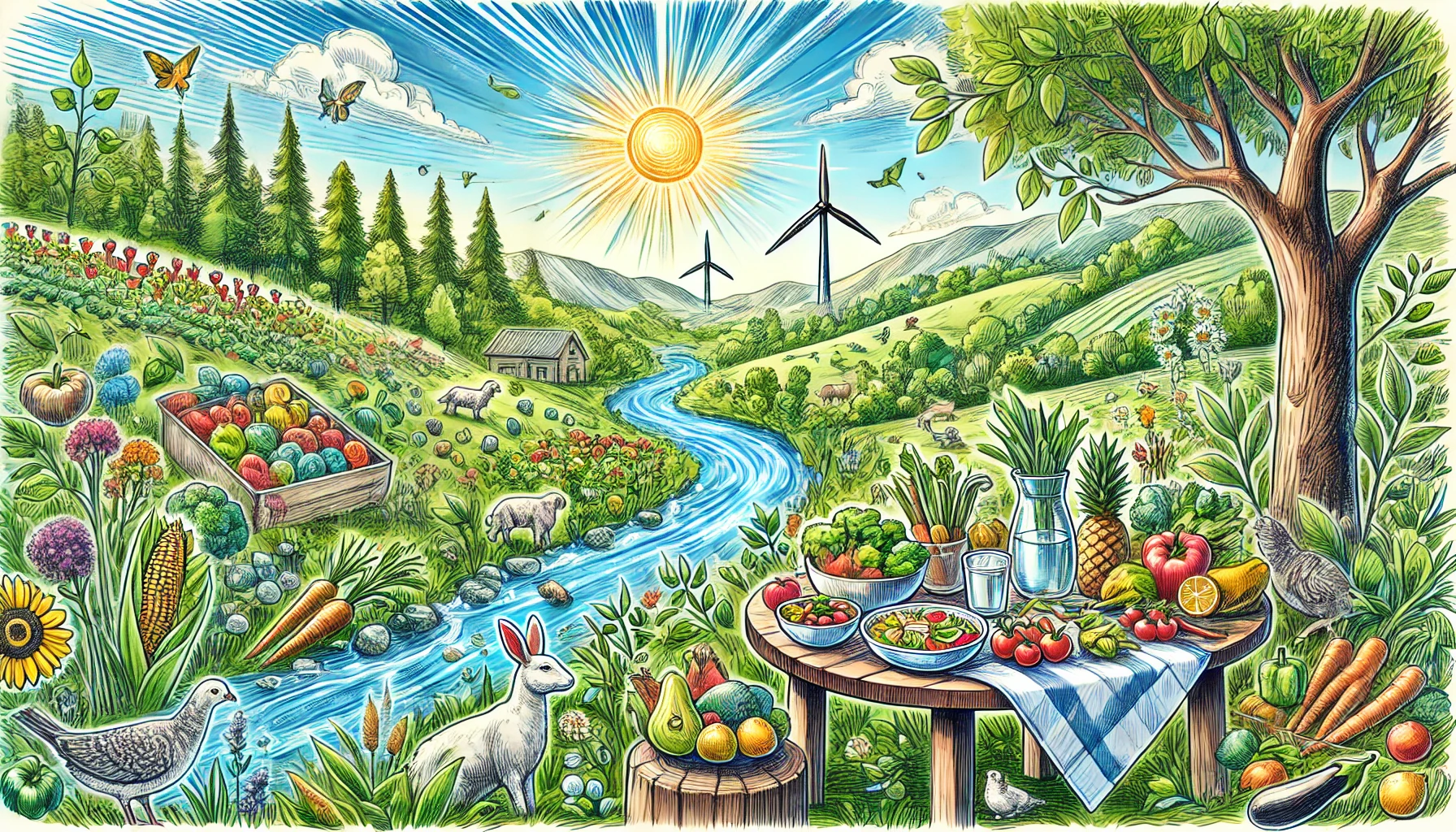
Adopting a plant-based diet is not only beneficial for personal health but also significantly impacts the environment. As the global population continues to rise, the demand for sustainable food sources has become more pressing. Plant-based nutrition, which focuses on consuming vegetables, fruits, whole grains, nuts, seeds, and legumes while minimizing or eliminating animal products, offers a sustainable alternative that can help mitigate environmental issues. Understanding the environmental impact of plant-based diets highlights their importance in promoting a healthier planet.
Transitioning to a plant-based diet can lead to reduced greenhouse gas emissions, lower water usage, and decreased land degradation. The production of plant-based foods generally requires fewer resources and generates less pollution compared to animal agriculture. By choosing plant-based options, individuals can contribute to a more sustainable food system that supports environmental conservation and addresses the challenges of climate change.
1. Reduced Greenhouse Gas Emissions
- Lower Emissions: Plant-based diets produce significantly fewer greenhouse gases compared to diets high in animal products. Livestock farming is a major contributor to methane and nitrous oxide emissions, both potent greenhouse gases.
- Sustainable Practices: Growing plants for direct human consumption is more efficient and generates fewer emissions than raising animals for meat and dairy production.
- Carbon Footprint: The carbon footprint of plant-based foods is generally lower due to reduced energy inputs and fewer emissions throughout the production process.
- Transportation: Locally sourced plant-based foods further reduce greenhouse gas emissions associated with transportation.
- Mitigating Climate Change: Shifting to plant-based nutrition can play a crucial role in mitigating climate change by lowering the overall greenhouse gas emissions from the food sector.
2. Conservation of Water Resources
- Water Efficiency: Plant-based diets require significantly less water compared to animal-based diets. Growing plants directly for human consumption is more water-efficient than raising livestock.
- Water Footprint: The water footprint of animal products is much higher due to the water needed for animal drinking, feed crops, and processing.
- Drought Resistance: Many plant-based foods, particularly those adapted to local climates, can be grown with minimal water input, making them more sustainable in drought-prone regions.
- Aquatic Ecosystems: Reducing water usage in agriculture helps preserve aquatic ecosystems and maintain biodiversity in water bodies.
- Sustainable Irrigation: Implementing sustainable irrigation practices in plant-based agriculture can further conserve water resources and support long-term agricultural sustainability.
3. Preservation of Land Resources
- Land Use: Plant-based diets require less land compared to meat and dairy production. Producing plant foods for direct human consumption uses land more efficiently and sustainably.
- Deforestation: Reducing the demand for animal products can help decrease deforestation rates, as forests are often cleared for livestock grazing and feed crop production.
- Soil Health: Growing a diverse range of plant-based foods supports soil health by promoting crop rotation and reducing the need for chemical fertilizers and pesticides.
- Biodiversity: Plant-based agriculture supports greater biodiversity by reducing monoculture practices and preserving natural habitats.
- Urban Agriculture: Encouraging urban agriculture and community gardens can optimize land use in cities and contribute to local food security.
4. Lower Pollution Levels
- Agricultural Runoff: Plant-based farming generates less pollution from agricultural runoff compared to animal farming, which is a significant source of water pollution due to manure and fertilizers.
- Air Quality: Reduced reliance on livestock farming can improve air quality by decreasing ammonia and methane emissions from animal waste.
- Pesticides and Fertilizers: Sustainable plant-based agriculture practices can minimize the use of harmful pesticides and fertilizers, reducing pollution of soil and water bodies.
- Reduced Waste: Plant-based diets produce less waste, as plant foods generate fewer by-products compared to meat processing and dairy production.
- Composting: Plant-based food waste can be composted, returning nutrients to the soil and reducing landfill waste.
5. Sustainable Agriculture Practices
- Crop Rotation: Implementing crop rotation in plant-based farming enhances soil fertility, reduces pest and disease cycles, and increases crop yields sustainably.
- Permaculture: Adopting permaculture principles promotes sustainable, self-sufficient agricultural ecosystems that integrate plant cultivation and environmental conservation.
- Organic Farming: Organic plant-based farming avoids synthetic chemicals, promotes biodiversity, and enhances soil health through natural farming practices.
- Agroforestry: Combining trees and shrubs with crops and livestock in agroforestry systems can improve biodiversity, reduce erosion, and sequester carbon.
- Regenerative Agriculture: Regenerative agriculture focuses on restoring soil health, increasing biodiversity, and enhancing ecosystem resilience through holistic farming practices.
6. Ethical and Social Considerations
- Animal Welfare: Plant-based diets support animal welfare by reducing the demand for factory farming and the associated ethical concerns.
- Food Security: Plant-based diets can improve global food security by making more efficient use of resources to feed a growing population.
- Fair Labor Practices: Supporting plant-based agriculture can promote fair labor practices and better working conditions for farm workers.
- Community Health: Plant-based diets can contribute to improved public health outcomes by reducing the prevalence of diet-related chronic diseases.
- Cultural Practices: Embracing plant-based nutrition can support traditional agricultural practices and cultural diets that prioritize plant foods.
7. Biodiversity Protection
- Habitat Conservation: Reducing the demand for animal products helps protect natural habitats from being converted into agricultural land for livestock and feed crops.
- Pollinator Health: Plant-based farming practices that avoid pesticides and promote biodiversity support pollinator populations, which are crucial for crop production.
- Wildlife Preservation: Conserving natural habitats through plant-based diets supports wildlife populations and reduces human-wildlife conflicts.
- Ecosystem Services: Healthy ecosystems provide essential services such as water filtration, carbon sequestration, and soil formation, which are supported by sustainable plant-based agriculture.
- Genetic Diversity: Promoting a variety of plant species in agriculture enhances genetic diversity and resilience to environmental changes.
8. Reduction of Antibiotic and Hormone Use
- Antibiotic Resistance: Reducing the consumption of animal products lowers the demand for livestock, which in turn reduces the use of antibiotics in animal farming. This helps combat the growing issue of antibiotic resistance.
- Hormone-Free: Plant-based foods are free from the hormones often used in livestock to promote growth, leading to fewer hormone-related health issues in humans.
- Public Health: Lower antibiotic and hormone use in agriculture contributes to overall public health by reducing the risk of antibiotic-resistant infections and hormone-related health problems.
- Sustainable Practices: Encouraging plant-based diets supports sustainable farming practices that prioritize animal welfare and public health.
- Food Safety: Plant-based diets can improve food safety by reducing the risk of contamination with antibiotic-resistant bacteria and hormone residues.
9. Climate Resilience
- Adaptive Crops: Many plant-based foods can be cultivated to adapt to changing climate conditions, enhancing food security in the face of climate change.
- Resilient Systems: Diversified plant-based agriculture systems are more resilient to climate shocks, such as droughts and floods, compared to monoculture livestock farming.
- Carbon Sequestration: Plant-based agriculture practices, such as agroforestry and cover cropping, can enhance carbon sequestration and mitigate climate change impacts.
- Water Management: Sustainable plant-based farming practices improve water management and reduce the vulnerability of crops to water scarcity.
- Sustainable Livelihoods: Supporting plant-based agriculture can create sustainable livelihoods for farmers and communities, enhancing resilience to climate change.
10. Supporting a Circular Economy
- Resource Efficiency: Plant-based diets promote resource efficiency by using fewer inputs and generating less waste compared to animal-based diets.
- Waste Reduction: Encouraging composting and recycling of plant-based food waste supports a circular economy and reduces landfill usage.
- Renewable Energy: Plant-based agriculture can integrate renewable energy sources, such as solar and wind, to power farming operations sustainably.
- Local Economies: Supporting local plant-based agriculture boosts local economies and reduces the environmental impact of transportation and distribution.
- Innovation: Embracing plant-based nutrition drives innovation in sustainable agriculture, food production, and waste management, contributing to a circular economy.
In conclusion, adopting a plant-based diet can have a profound positive impact on the environment. By reducing greenhouse gas emissions, conserving water and land resources, and promoting sustainable agriculture practices, plant-based nutrition supports a healthier planet. As individuals make more environmentally conscious food choices, they contribute to a more sustainable food system that benefits both human health and the environment.