
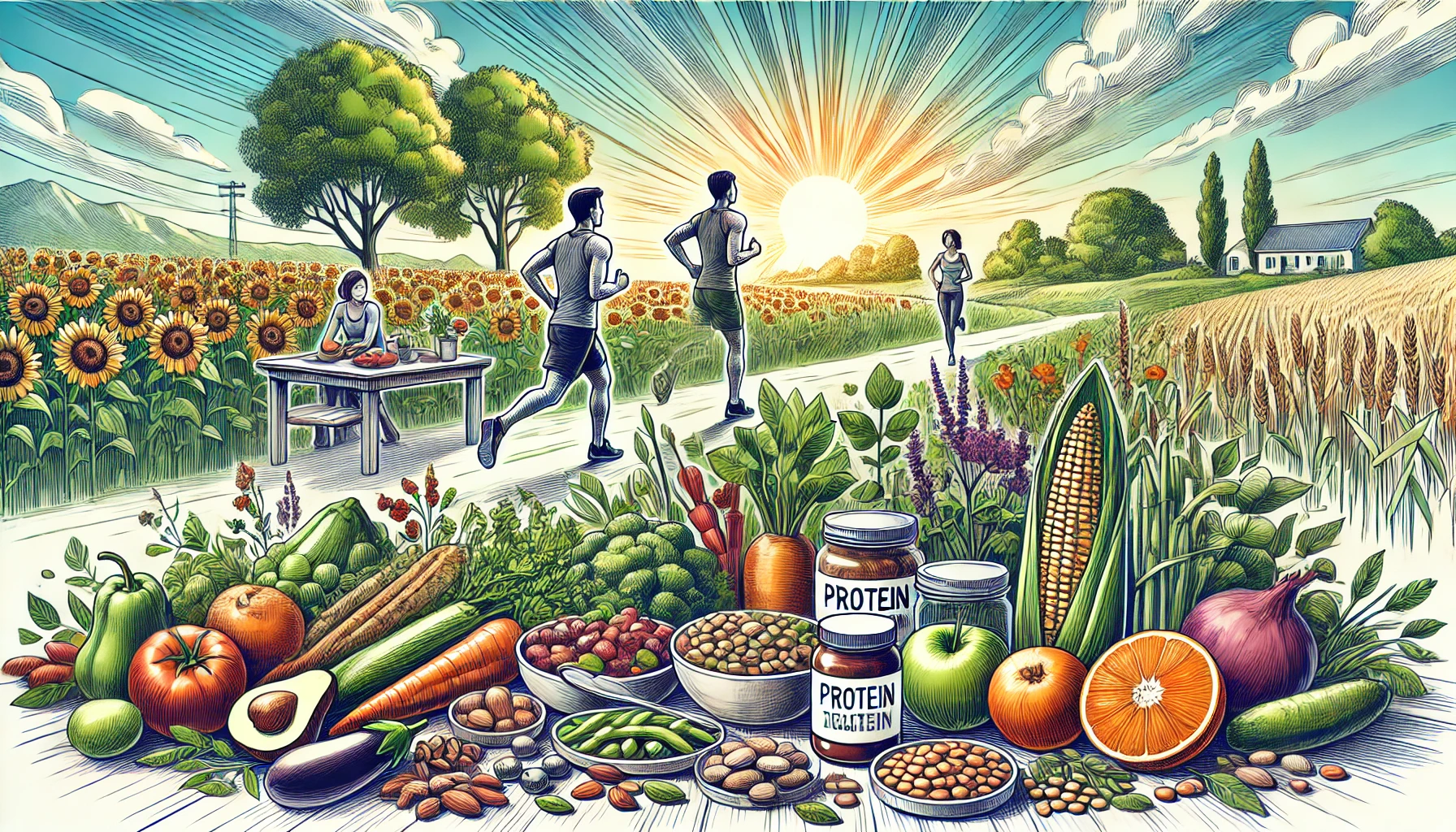
Adopting a plant-based diet as an athlete can provide numerous health benefits while supporting optimal performance and recovery. Plant-based diets focus on whole, minimally processed foods derived from plants, including vegetables, fruits, grains, nuts, seeds, and legumes. This approach can enhance overall health, reduce inflammation, and provide the necessary nutrients to fuel athletic performance. However, athletes must pay close attention to their nutritional intake to ensure they meet their elevated energy and nutrient needs.
For athletes, a plant-based diet can offer a competitive edge by promoting quicker recovery, reducing oxidative stress, and improving cardiovascular health. To reap these benefits, it’s essential to understand how to balance macronutrients, incorporate a variety of protein sources, and ensure adequate intake of vitamins and minerals. By doing so, athletes can thrive on a plant-based diet and achieve their performance goals.
1. Protein Intake
- Variety of Sources: Include a diverse range of plant-based proteins such as lentils, chickpeas, black beans, tofu, tempeh, edamame, quinoa, and seitan.
- Complete Proteins: Combine different protein sources to ensure a complete amino acid profile. Examples include rice and beans, hummus and whole grain pita, or peanut butter on whole wheat bread.
- Protein Timing: Distribute protein intake evenly throughout the day to support muscle repair and growth. Aim for 20-30 grams of protein per meal.
- Post-Workout Nutrition: Consume a protein-rich snack or meal within 30 minutes post-exercise to aid recovery. Smoothies with plant-based protein powder, nut butter, and fruit are excellent options.
- Supplements: Consider using plant-based protein powders made from peas, rice, hemp, or soy to meet protein needs, especially after intense training sessions.
2. Carbohydrate Loading
- Energy Source: Carbohydrates are the primary energy source for athletes. Focus on complex carbs like whole grains, oats, quinoa, brown rice, and sweet potatoes.
- Glycogen Storage: Ensure adequate carbohydrate intake to replenish glycogen stores before and after workouts. Consuming carbs during long training sessions can also maintain energy levels.
- Meal Timing: Incorporate carbohydrates into meals and snacks throughout the day to maintain energy levels. Pre-workout meals should include easily digestible carbs for quick energy.
- High-Carb Snacks: Keep high-carb snacks like bananas, dates, and energy bars on hand for quick fuel during workouts.
- Balancing Intake: Adjust carbohydrate intake based on training intensity and duration to support optimal performance and recovery.
3. Healthy Fats
- Essential Fatty Acids: Include sources of omega-3 fatty acids, such as flaxseeds, chia seeds, hemp seeds, walnuts, and algae-based supplements, to reduce inflammation and support heart health.
- Caloric Density: Healthy fats provide a dense source of calories, which can help meet the higher energy demands of athletes. Avocados, nuts, seeds, and olive oil are excellent choices.
- Absorption of Nutrients: Fats help with the absorption of fat-soluble vitamins (A, D, E, K). Pairing fat sources with vegetables can enhance nutrient intake.
- Incorporation: Add nuts and seeds to smoothies, salads, and oatmeal, and use olive oil or avocado oil for cooking and dressings.
- Moderation: While fats are essential, balance intake to avoid excessive calorie consumption, which can lead to unwanted weight gain.
4. Hydration and Electrolytes
- Hydration: Maintain proper hydration by drinking water throughout the day. Athletes may need more fluids due to increased sweat loss during exercise.
- Electrolytes: Replace electrolytes lost through sweat, particularly sodium, potassium, magnesium, and calcium. Coconut water, electrolyte tablets, and sports drinks can help.
- Hydrating Foods: Include hydrating foods like watermelon, cucumber, oranges, and strawberries to support hydration levels.
- Monitor Hydration: Check urine color as an indicator of hydration status; it should be light yellow.
- Timing: Drink water before, during, and after workouts to maintain hydration and prevent dehydration.
5. Micronutrient Considerations
- Iron: Plant-based iron sources include lentils, chickpeas, beans, tofu, quinoa, spinach, and fortified cereals. Pair with vitamin C-rich foods to enhance absorption.
- Calcium: Ensure adequate intake through fortified plant milks, tofu, almonds, sesame seeds, chia seeds, and leafy greens like kale and bok choy.
- Vitamin B12: Supplement with vitamin B12 or consume fortified foods such as plant-based milks, cereals, and nutritional yeast.
- Vitamin D: Obtain vitamin D through sunlight exposure, fortified foods, or supplements, especially in regions with limited sunlight.
- Zinc: Include sources like legumes, nuts, seeds, and whole grains. Soak or sprout grains and legumes to enhance zinc absorption.
6. Meal Planning and Preparation
- Plan Ahead: Plan meals and snacks to ensure balanced nutrition and adequate calorie intake. Batch cooking can save time and ensure you have nutritious meals ready.
- Diverse Diet: Incorporate a wide variety of foods to cover all nutrient bases and prevent deficiencies.
- Portable Snacks: Keep portable, nutrient-dense snacks like trail mix, energy bars, and fruit handy for quick energy boosts.
- Recovery Meals: Focus on meals that support recovery, combining protein, carbohydrates, and healthy fats. Examples include a quinoa bowl with veggies and tofu or a smoothie with protein powder and fruit.
- Flexibility: Adjust meal plans based on training demands, competition schedules, and personal preferences to stay motivated and satisfied.
7. Supplements
- Protein Powders: Use plant-based protein powders to meet protein needs, especially after intense workouts.
- Multivitamins: Consider a multivitamin designed for plant-based diets to cover potential gaps in micronutrient intake.
- BCAAs: Branched-chain amino acids (BCAAs) supplements can support muscle recovery and reduce exercise-induced muscle soreness.
- Creatine: Plant-based creatine supplements can enhance muscle strength and performance.
- Consultation: Work with a dietitian or nutritionist to determine the need for supplements based on individual dietary intake and training demands.
8. Anti-Inflammatory Foods
- Antioxidants: Consume a variety of colorful fruits and vegetables rich in antioxidants to combat oxidative stress and reduce inflammation. Examples include berries, leafy greens, and bell peppers.
- Turmeric and Ginger: Include anti-inflammatory spices like turmeric and ginger in your diet. They can be added to smoothies, teas, and meals for their health benefits.
- Omega-3s: Omega-3 fatty acids from flaxseeds, chia seeds, and walnuts also have anti-inflammatory properties.
- Whole Foods: Focus on whole, minimally processed foods to support overall health and reduce inflammation.
- Avoid Processed Foods: Limit intake of processed foods and sugars that can contribute to inflammation and negatively impact performance.
9. Performance Enhancement
- Beetroot Juice: Beetroot juice is rich in nitrates, which can improve endurance and exercise performance. Include it as a pre-workout supplement.
- Tart Cherry Juice: Tart cherry juice can reduce muscle soreness and support recovery due to its antioxidant properties.
- Green Tea: Green tea contains antioxidants that can reduce muscle damage and enhance fat oxidation during exercise.
- Matcha: Matcha green tea provides a concentrated source of antioxidants and can improve focus and energy levels.
- Adaptogens: Adaptogenic herbs like ashwagandha and rhodiola can enhance endurance, reduce fatigue, and support overall performance.
10. Recovery Strategies
- Protein-Carb Combo: Post-workout meals should combine protein and carbohydrates to replenish glycogen stores and support muscle repair.
- Hydration: Rehydrate adequately after workouts to replace lost fluids and electrolytes.
- Sleep: Prioritize sleep as it is crucial for recovery and muscle repair. Aim for 7-9 hours of quality sleep per night.
- Active Recovery: Incorporate active recovery techniques such as yoga, stretching, and light exercise to promote circulation and reduce muscle stiffness.
- Massage and Foam Rolling: Use massage or foam rolling to alleviate muscle tension and enhance recovery.
In conclusion, athletes can thrive on a plant-based diet by focusing on diverse, nutrient-dense foods and paying attention to their specific nutritional needs. By incorporating a variety of protein sources, balancing macronutrients, and ensuring adequate intake of key vitamins and minerals, athletes can optimize their performance and recovery. With careful planning and a commitment to balanced nutrition, plant-based athletes can achieve their goals and maintain peak health.