
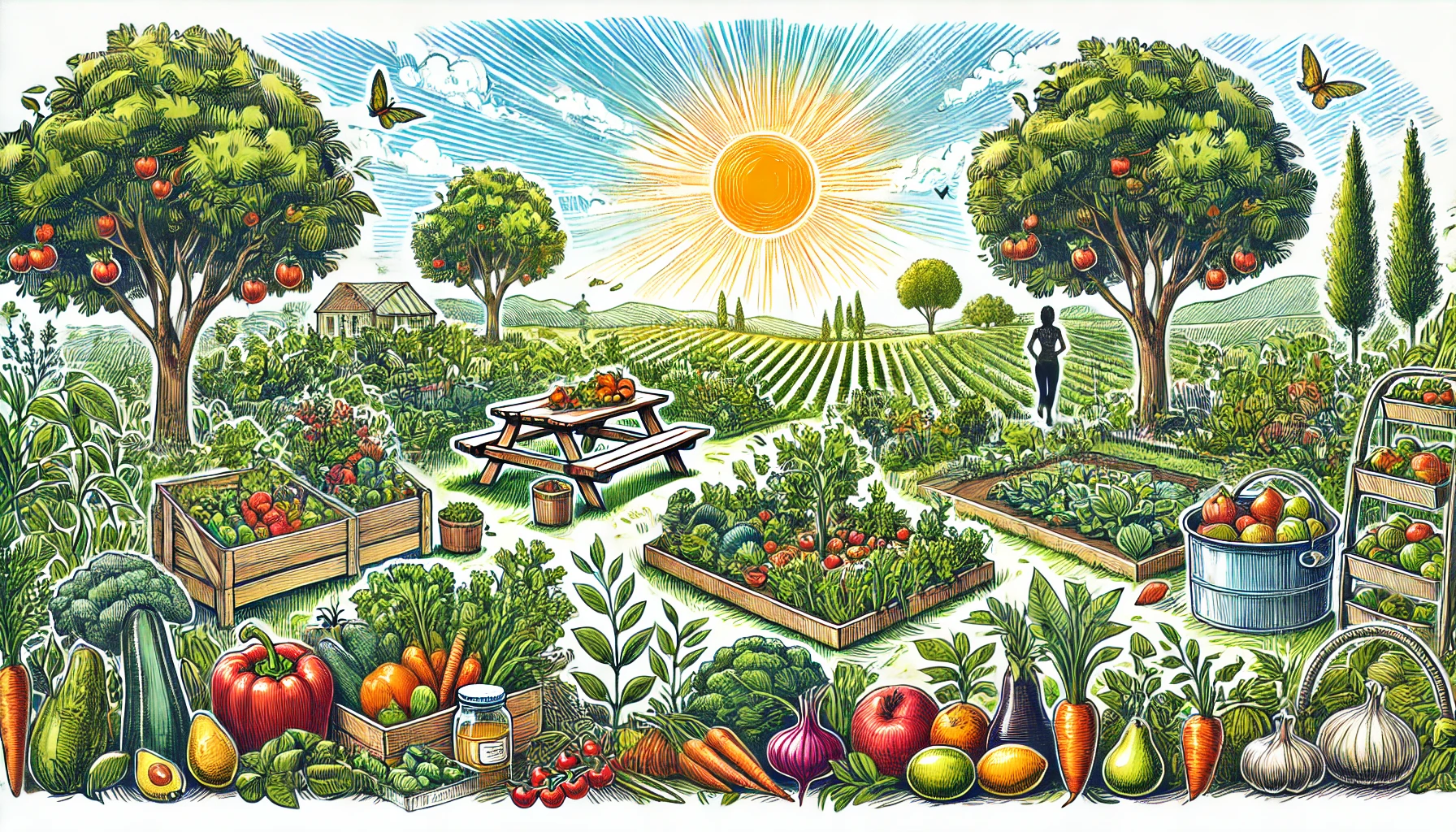
Adopting a plant-based diet has garnered significant attention in recent years due to its potential health benefits. This dietary approach emphasizes the consumption of vegetables, fruits, legumes, nuts, seeds, and whole grains while minimizing or eliminating animal products. As people become more health-conscious and environmentally aware, the appeal of plant-based eating continues to grow. Various studies have shown that a diet rich in plant foods can lead to numerous health improvements, from reducing the risk of chronic diseases to promoting overall well-being.
One of the most compelling reasons to consider a plant-based diet is its association with a lower risk of chronic diseases. Heart disease, diabetes, and certain types of cancer have been linked to diets high in saturated fats and processed foods, which are often found in animal products. Conversely, plant-based diets are typically high in fiber, antioxidants, and essential nutrients, contributing to better health outcomes. Additionally, plant-based eating supports sustainable living and reduces environmental impact, making it a win-win for both personal health and the planet.
1. Improved Heart Health
- Plant-based diets are known to lower blood pressure, a significant risk factor for heart disease. The high fiber content in plants helps regulate blood pressure.
- These diets are low in saturated fats and cholesterol, commonly found in meat and dairy products, reducing the risk of heart disease.
- Consuming a variety of fruits, vegetables, and whole grains provides essential nutrients like potassium, magnesium, and antioxidants, which support heart health.
- Plant-based diets can improve cholesterol levels by reducing LDL (bad) cholesterol and increasing HDL (good) cholesterol.
- Studies show that vegetarians and vegans have a lower incidence of heart disease compared to meat-eaters.
2. Weight Management
- A plant-based diet can aid in weight loss due to its high fiber content, which promotes satiety and reduces overall calorie intake.
- Plant foods are generally lower in calories and fat compared to animal products, making it easier to maintain a healthy weight.
- The emphasis on whole foods in a plant-based diet helps reduce the consumption of processed foods, which are often high in calories and low in nutritional value.
- High water content in fruits and vegetables can contribute to a feeling of fullness, helping to control hunger and prevent overeating.
- Regular consumption of legumes and whole grains, which are staple components of plant-based diets, has been linked to lower body mass index (BMI).
3. Better Blood Sugar Control
- Plant-based diets have been shown to improve insulin sensitivity, helping to regulate blood sugar levels more effectively.
- The high fiber content in plants slows down the absorption of sugar into the bloodstream, preventing spikes in blood sugar.
- Whole grains, legumes, and vegetables are low glycemic index foods, which help maintain stable blood sugar levels.
- A diet rich in plant foods can reduce the risk of developing type 2 diabetes by promoting better glucose metabolism.
- Plant-based diets often lead to a reduction in fat accumulation around the liver and pancreas, which can improve insulin function.
4. Enhanced Digestive Health
- Fiber-rich plant foods support a healthy digestive system by promoting regular bowel movements and preventing constipation.
- A plant-based diet can improve gut health by increasing the diversity and abundance of beneficial gut bacteria.
- Consuming a variety of fruits, vegetables, and whole grains provides prebiotics, which feed the good bacteria in the gut.
- Reduced intake of animal products can lower the risk of gastrointestinal disorders such as diverticulitis and irritable bowel syndrome (IBS).
- The anti-inflammatory properties of many plant foods can help reduce symptoms of digestive disorders.
5. Lower Cancer Risk
- Plant-based diets are high in antioxidants and phytochemicals, which help protect cells from damage and reduce the risk of cancer.
- Fiber intake from plants has been linked to a lower risk of colorectal cancer.
- Certain plant foods, such as cruciferous vegetables, contain compounds that have been shown to inhibit cancer cell growth.
- A diet low in processed meats and high in fruits and vegetables can reduce the risk of various cancers, including breast, prostate, and stomach cancer.
- Maintaining a healthy weight through a plant-based diet can further reduce cancer risk, as obesity is a known risk factor for several types of cancer.
6. Improved Kidney Function
- Plant-based diets can reduce the risk of developing chronic kidney disease by lowering blood pressure and improving blood sugar control.
- High consumption of animal protein can strain the kidneys, while plant proteins are easier on the kidneys and reduce the workload.
- Potassium and antioxidants found in plant foods help protect kidney function and prevent damage.
- A plant-based diet can slow the progression of kidney disease in those already diagnosed by reducing proteinuria (excess protein in the urine).
- Lower levels of phosphorus and acidic compounds in plant foods benefit kidney health compared to animal-based diets.
7. Stronger Immune System
- Vitamins and minerals abundant in plant foods, such as vitamin C, vitamin E, and zinc, are crucial for a robust immune system.
- Antioxidants and phytochemicals found in plants help fight inflammation and boost immune function.
- A diverse diet rich in fruits, vegetables, nuts, and seeds provides a wide range of nutrients that support immune health.
- Consuming plant-based foods can improve the body’s ability to fight infections and reduce the severity and duration of illnesses.
- Plant-based diets can enhance the immune system’s ability to detect and eliminate pathogens and abnormal cells.
8. Increased Longevity
- Studies have shown that people who follow a plant-based diet tend to live longer than those who consume large amounts of animal products.
- Reduced risk of chronic diseases and better overall health contribute to increased lifespan.
- Plant-based diets are associated with healthier aging, maintaining physical and cognitive function longer.
- Consuming a variety of nutrient-dense plant foods supports the body’s natural repair mechanisms and reduces oxidative stress.
- The anti-inflammatory properties of many plant foods can help mitigate the effects of aging and promote longevity.
9. Environmental Benefits
- Plant-based diets have a lower environmental impact compared to diets high in animal products, as they require fewer resources such as water and land.
- Reducing meat consumption can decrease greenhouse gas emissions, helping to combat climate change.
- Sustainable farming practices associated with plant-based foods contribute to soil health and biodiversity.
- Plant-based diets support the conservation of natural resources and reduce pollution from animal agriculture.
- Choosing locally sourced and seasonal plant foods can further minimize environmental impact.
10. Ethical Considerations
- A plant-based diet aligns with ethical considerations regarding animal welfare, reducing the demand for factory farming and animal cruelty.
- Avoiding animal products can decrease the exploitation and suffering of animals used for food production.
- Plant-based eating supports sustainable and humane farming practices that prioritize animal well-being.
- Ethical considerations extend to human rights, as plant-based diets can contribute to food security and equitable distribution of resources.
- By choosing a plant-based diet, individuals can make a positive impact on both animal welfare and social justice issues.
In conclusion, a plant-based diet offers a multitude of health benefits, from improved heart health and weight management to enhanced digestive health and lower cancer risk. This dietary approach not only supports personal well-being but also contributes to environmental sustainability and ethical considerations. As the evidence continues to grow, more people are discovering the advantages of plant-based eating and making the switch to a healthier, more compassionate lifestyle.