
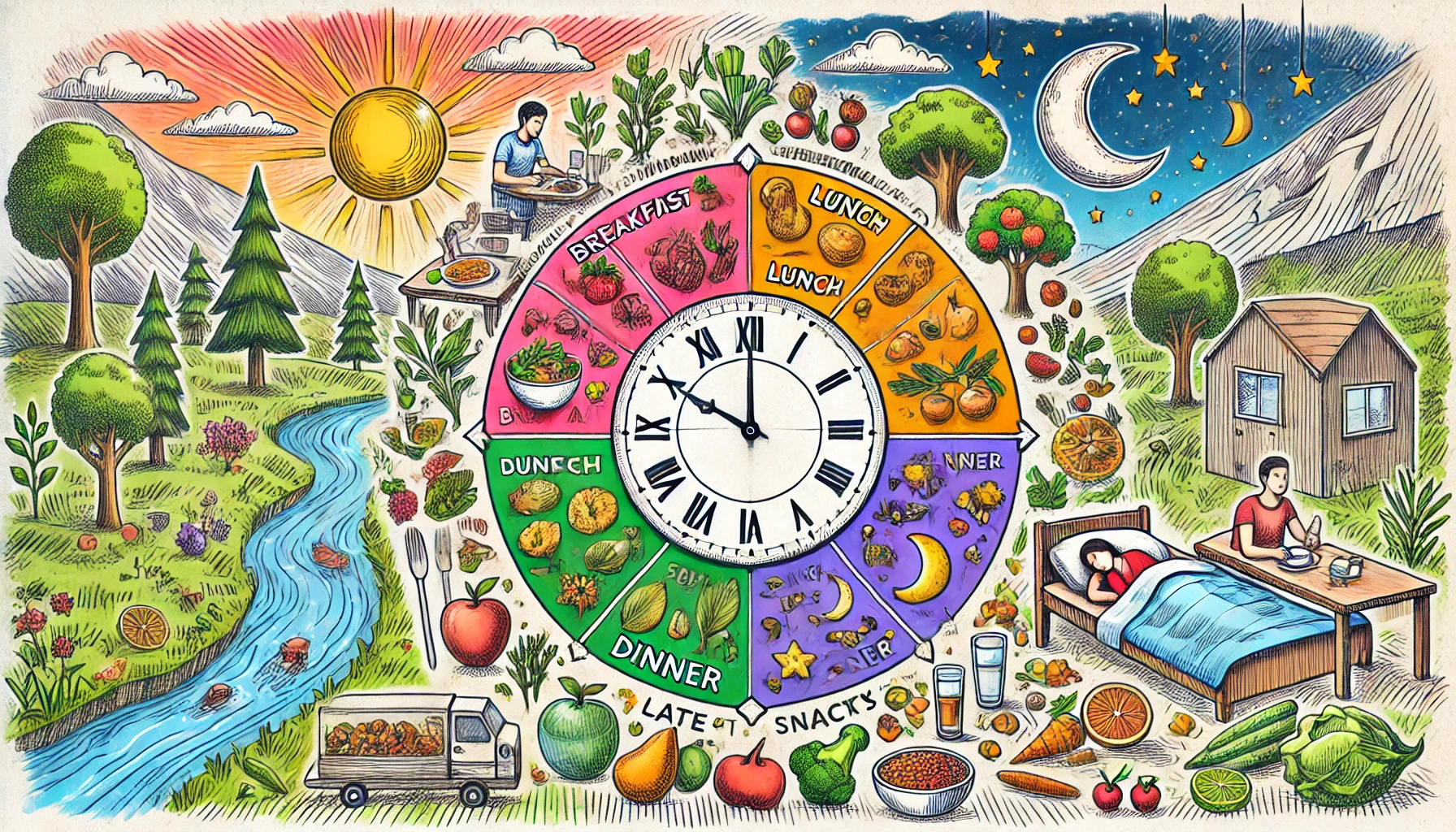
Meal timing significantly impacts sleep quality, affecting how well you fall asleep, stay asleep, and feel upon waking. Understanding the relationship between when you eat and your sleep patterns can help you make dietary adjustments that promote better rest and overall health. This blog explores the connection between meal timing and sleep quality, offering practical tips to optimize both.
Sleep is essential for overall well-being, impacting physical health, mental clarity, and emotional balance. Eating habits, particularly meal timing, play a crucial role in regulating sleep patterns by influencing metabolism, hormone levels, and digestion. By aligning meal times with your body’s natural rhythms, you can enhance sleep quality and support overall health.
1. The Role of Circadian Rhythm
- Body’s internal clock: The circadian rhythm regulates sleep-wake cycles, digestion, and other physiological processes, aligning them with the day-night cycle.
- Meal timing alignment: Eating at consistent times helps synchronize your circadian rhythm, promoting better sleep.
- Light exposure: Exposure to natural light during the day and avoiding bright lights at night supports the circadian rhythm, enhancing sleep quality.
- Regular meals: Consistent meal times reinforce the body’s internal clock, making it easier to maintain regular sleep patterns.
- Disruptions: Irregular eating patterns can disrupt the circadian rhythm, leading to poor sleep quality and metabolic issues.
2. The Impact of Late-Night Eating
- Digestive interference: Eating large meals late at night can lead to digestive discomfort, heartburn, and indigestion, disrupting sleep.
- Metabolic slowdown: The body’s metabolism slows down at night, making it harder to process large, heavy meals.
- Blood sugar spikes: Late-night meals, especially those high in sugar, can cause blood sugar spikes and crashes, affecting sleep stability.
- Hormonal imbalance: Eating late can interfere with the production of sleep-regulating hormones like melatonin.
- Sleep quality: Consuming food too close to bedtime can prevent the body from fully relaxing, leading to fragmented sleep.
3. The Importance of Breakfast
- Kickstart metabolism: A nutritious breakfast helps kickstart the metabolism, setting the tone for stable energy levels throughout the day.
- Insulin sensitivity: Eating breakfast can improve insulin sensitivity, helping regulate blood sugar levels and energy balance.
- Circadian rhythm: A consistent breakfast time supports the synchronization of the circadian rhythm, enhancing overall sleep quality.
- Nutrient intake: Breakfast provides essential nutrients that support overall health and well-being, indirectly promoting better sleep.
- Examples: Whole grain cereals with milk, fruit smoothies with protein, or eggs with vegetables.
4. Timing of Main Meals
- Lunch: Eating a balanced lunch helps maintain energy levels and prevents excessive hunger in the evening, reducing the risk of overeating at dinner.
- Dinner: Aim to eat dinner at least 2-3 hours before bedtime to allow for proper digestion and prevent sleep disruption.
- Balanced meals: Ensure main meals include a mix of protein, carbohydrates, and healthy fats to support metabolic health and stable blood sugar levels.
- Portion control: Avoid large, heavy meals that can cause digestive discomfort and interfere with sleep.
- Examples: A balanced lunch might include a chicken salad with quinoa, while a light dinner could be grilled fish with steamed vegetables.
5. The Role of Snacks
- Healthy snacking: Opt for light, nutritious snacks if you get hungry between meals, but avoid heavy snacks close to bedtime.
- Timing: Have snacks at least 1-2 hours before sleep to prevent digestive issues.
- Content: Choose snacks that include protein and fiber to keep you satisfied without causing blood sugar spikes.
- Examples: Greek yogurt with berries, a handful of nuts, or vegetable sticks with hummus.
6. Hydration and Sleep
- Water intake: Stay hydrated throughout the day to support overall health and well-being.
- Timing: Avoid drinking large amounts of water close to bedtime to prevent frequent trips to the bathroom during the night.
- Caffeine: Limit caffeine intake, especially in the afternoon and evening, to avoid sleep disturbances.
- Alcohol: Avoid alcohol before bedtime as it can disrupt sleep patterns and reduce sleep quality.
- Herbal teas: Consider calming herbal teas like chamomile or peppermint in the evening to promote relaxation.
7. Nutrients That Support Sleep
- Magnesium: Found in leafy greens, nuts, and seeds, magnesium helps relax muscles and improve sleep quality.
- Tryptophan: An amino acid in turkey, chicken, and dairy products, tryptophan promotes the production of serotonin and melatonin, which regulate sleep.
- Melatonin: Foods like tart cherries, grapes, and tomatoes contain melatonin, a hormone that regulates sleep-wake cycles.
- Vitamin B6: Present in bananas, chickpeas, and fish, vitamin B6 aids in the production of melatonin.
- Complex carbohydrates: Foods like whole grains and sweet potatoes can help increase serotonin levels, promoting better sleep.
8. Creating a Sleep-Friendly Eating Routine
- Consistent meal times: Eat meals at regular intervals to support the body’s natural rhythms and enhance sleep quality.
- Light dinner: Opt for lighter, easily digestible meals in the evening to prevent discomfort and support better sleep.
- Avoid heavy, late-night meals: Refrain from eating large or spicy meals close to bedtime.
- Pre-sleep routine: Develop a relaxing pre-sleep routine that signals your body it’s time to wind down, such as drinking herbal tea or reading a book.
- Mindful eating: Practice mindful eating to help regulate portions and prevent overeating, which can affect sleep.
9. Addressing Emotional and Stress-Related Eating
- Stress management: Incorporate stress-relief activities like meditation, yoga, or deep breathing exercises into your daily routine.
- Emotional eating: Be aware of emotional eating triggers and find alternative ways to cope with stress, such as talking to a friend or engaging in a hobby.
- Healthy comfort foods: If you turn to food for comfort, choose healthy options that won’t disrupt sleep.
- Professional help: Consider seeking support from a counselor or therapist if emotional eating is significantly impacting your sleep and health.
10. Personalized Meal Timing
- Individual needs: Tailor your meal timing to fit your personal lifestyle, preferences, and health needs.
- Monitoring: Keep track of how different meal timings affect your sleep and make adjustments as needed.
- Consult professionals: Work with a nutritionist or dietitian to develop a meal timing plan that supports your sleep and overall health goals.
- Flexibility: Be flexible and willing to adapt your eating schedule based on changes in your routine, activity levels, and health status.
- Continuous improvement: Regularly assess and refine your meal timing strategy to optimize sleep quality and well-being.
In conclusion, meal timing plays a crucial role in regulating sleep quality. By aligning meals with your body’s natural rhythms, avoiding late-night eating, and focusing on balanced nutrition, you can enhance your sleep and overall health. Personalized meal timing, mindful eating, and addressing emotional and stress-related eating further support better sleep. Implementing these strategies can lead to improved rest, greater energy levels, and a healthier lifestyle.