
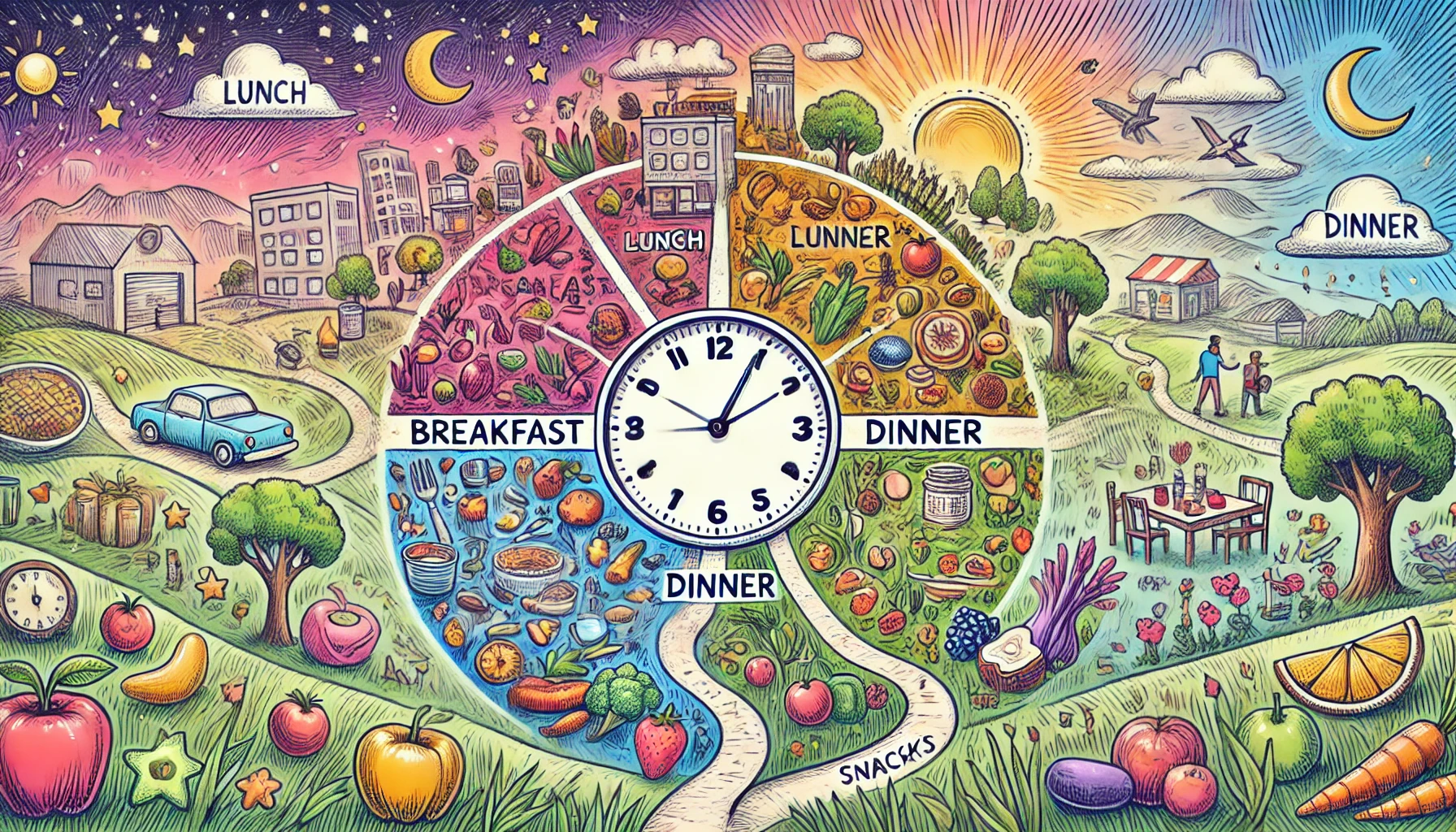
Creating a meal timing schedule tailored to your lifestyle, preferences, and health goals can significantly enhance your well-being, energy levels, and overall nutrition. By planning your meals strategically, you can ensure a steady supply of nutrients, maintain stable blood sugar levels, and support metabolic health. This blog provides a step-by-step guide to creating a meal timing schedule that works for you.
A personalized meal timing schedule considers various factors such as your daily routine, activity levels, and specific dietary needs. It is essential to listen to your body’s hunger cues and adjust meal times to optimize digestion, energy, and nutrient absorption. Here are the steps to create an effective meal timing schedule.
1. Assess Your Daily Routine
- Identify key activities: Map out your daily schedule, including work, exercise, and other commitments.
- Determine wake-up and sleep times: Establish your regular wake-up and bedtime to align meal times with your circadian rhythm.
- Consider activity levels: Note periods of high activity and lower activity to plan meal timing around energy needs.
- Allocate meal slots: Determine potential times for breakfast, lunch, dinner, and snacks based on your daily routine.
- Flexible days: Account for any variations in your schedule, such as weekends or days off, and plan accordingly.
2. Set Meal Timing Goals
- Balanced energy: Aim for evenly spaced meals and snacks to maintain stable energy levels throughout the day.
- Nutrient distribution: Ensure each meal contains a balance of macronutrients (carbohydrates, protein, and fats) and essential vitamins and minerals.
- Preventing hunger: Plan meals and snacks to prevent excessive hunger and avoid overeating later.
- Digestive health: Allow adequate time between meals for proper digestion and nutrient absorption.
- Hydration: Incorporate regular water intake into your schedule to stay hydrated.
3. Plan a Balanced Breakfast
- Timing: Eat breakfast within 1-2 hours of waking up to kickstart your metabolism and provide energy for the day.
- Components: Include protein, complex carbohydrates, and healthy fats for a balanced meal.
- Examples: Oatmeal with nuts and berries, whole-grain toast with avocado and eggs, or a smoothie with spinach, fruit, and protein powder.
- Hydration: Start your day with a glass of water or herbal tea to rehydrate after overnight fasting.
- Personal preferences: Choose breakfast foods you enjoy to make it a meal you look forward to.
4. Schedule Mid-Morning and Afternoon Snacks
- Timing: Plan snacks midway between main meals to maintain energy levels and prevent extreme hunger.
- Nutrient-dense options: Choose snacks that provide a good mix of protein, fiber, and healthy fats.
- Examples: Greek yogurt with honey, a handful of nuts, sliced vegetables with hummus, or fruit with nut butter.
- Portion control: Keep snack portions moderate to avoid excessive calorie intake.
- Preparation: Have snacks readily available to avoid reaching for unhealthy options.
5. Plan a Nutritious Lunch
- Timing: Aim to eat lunch 4-5 hours after breakfast to sustain energy and prevent mid-afternoon slumps.
- Balanced meal: Include lean protein, whole grains, vegetables, and healthy fats.
- Examples: Grilled chicken salad with quinoa, brown rice with tofu and vegetables, or a whole-grain wrap with turkey and avocado.
- Hydration: Drink water with your meal to support digestion and maintain hydration.
- Work considerations: Pack a balanced lunch if you are away from home to ensure you have a nutritious option available.
6. Schedule an Energizing Dinner
- Timing: Eat dinner 2-3 hours before bedtime to allow for proper digestion and avoid discomfort while sleeping.
- Light and balanced: Opt for a lighter meal that includes protein, vegetables, and a small portion of complex carbohydrates.
- Examples: Baked salmon with roasted vegetables, lentil soup with a side salad, or grilled tofu with stir-fried vegetables.
- Avoid heaviness: Steer clear of heavy, greasy foods that can disrupt sleep and cause digestive issues.
- Evening routine: Integrate dinner into your evening routine to signal the end of the day and prepare for relaxation.
7. Hydration Throughout the Day
- Consistent intake: Drink water regularly throughout the day rather than large amounts at once.
- Morning hydration: Start your day with water to rehydrate after sleeping.
- During meals: Sip water with meals to aid digestion.
- Activity considerations: Increase water intake during and after physical activity to replace lost fluids.
- Hydrating foods: Include water-rich foods like cucumbers, watermelon, and oranges in your diet.
8. Listen to Your Body
- Hunger cues: Pay attention to your body’s hunger signals and eat when you are genuinely hungry.
- Fullness signals: Stop eating when you feel comfortably full to avoid overeating.
- Adjustments: Be flexible and adjust meal times based on how your body responds to different schedules.
- Mindful eating: Practice mindful eating by focusing on your food and savoring each bite.
- Feedback loop: Regularly assess how different meal timings affect your energy levels, digestion, and overall well-being.
9. Consider Special Dietary Needs
- Medical conditions: If you have specific medical conditions, such as diabetes or gastrointestinal issues, tailor your meal timing to manage these effectively.
- Nutritional goals: Align your meal timing with your specific health or fitness goals, such as weight loss, muscle gain, or improved metabolic health.
- Professional advice: Consult a nutritionist or dietitian for personalized meal timing recommendations based on your individual needs.
- Dietary preferences: Incorporate your dietary preferences and restrictions into your meal timing schedule.
- Continuous improvement: Make ongoing adjustments based on professional guidance and personal experiences.
10. Create a Practical Meal Timing Schedule
- Morning routine: Include time for a balanced breakfast and hydration.
- Mid-morning snack: Schedule a light, nutritious snack to keep energy levels stable.
- Lunch break: Plan a substantial lunch that includes a mix of macronutrients and hydration.
- Afternoon snack: Incorporate a healthy snack to maintain focus and prevent late-day hunger.
- Evening meal: Schedule a light, balanced dinner that allows for proper digestion before bed.
- Consistency: Try to stick to your meal timing schedule as consistently as possible, even on weekends or days off.
- Flexibility: Allow room for flexibility to accommodate social events, travel, or unexpected changes in your routine.
Sample Meal Timing Schedule
6:30 AM: Wake up and drink a glass of water
7:00 AM: Breakfast – Whole grain toast with avocado and eggs
10:00 AM: Mid-morning snack – Greek yogurt with berries
12:30 PM: Lunch – Grilled chicken salad with quinoa and vegetables
3:30 PM: Afternoon snack – Apple slices with almond butter
6:30 PM: Dinner – Baked salmon with roasted vegetables and a small portion of brown rice
8:30 PM: Herbal tea or water
10:00 PM: Bedtime
In conclusion, creating a meal timing schedule that works for you involves assessing your daily routine, setting meal timing goals, and planning balanced meals and snacks. By listening to your body, staying hydrated, and considering special dietary needs, you can develop a personalized meal timing schedule that supports your health and well-being. Consistency and flexibility are key to maintaining a sustainable and effective meal timing routine.