
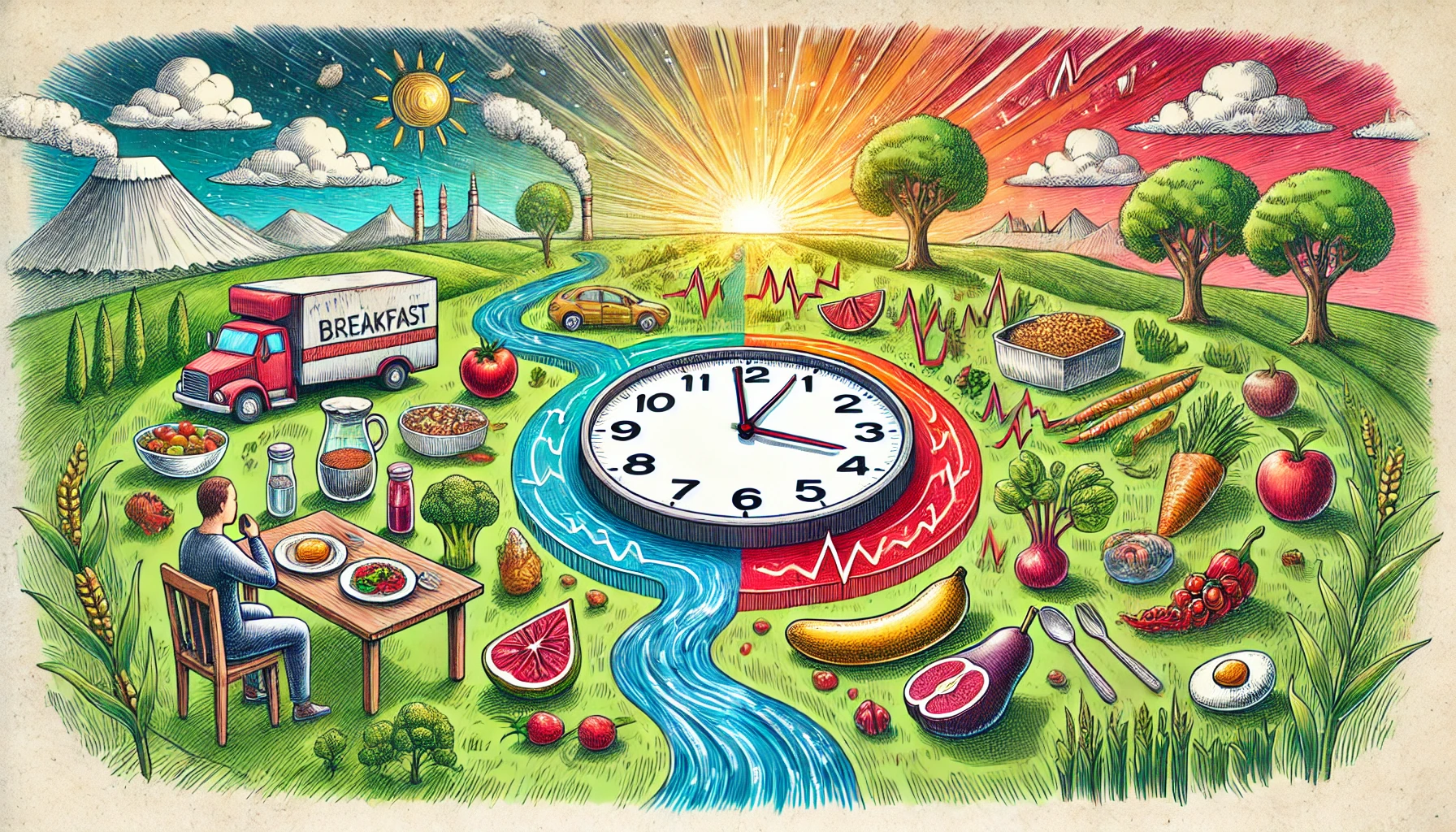
Meal timing plays a crucial role in regulating blood sugar levels, which is essential for maintaining overall health, preventing diabetes, and managing weight. When we eat can be as important as what we eat, especially for individuals with diabetes or those at risk of developing the condition. Understanding the relationship between meal timing and blood sugar levels can help optimize dietary habits and improve metabolic health. This blog explores how meal timing affects blood sugar levels and provides practical tips for maintaining stable glucose levels throughout the day.
Blood sugar levels fluctuate throughout the day based on food intake, physical activity, and various physiological processes. Strategic meal timing can help maintain steady blood sugar levels, reduce the risk of insulin resistance, and promote metabolic health. By aligning meal times with the body’s natural rhythms and energy needs, individuals can better manage their blood sugar levels and overall well-being.
1. The Importance of Breakfast
- Kickstarts metabolism: Eating breakfast helps jumpstart the metabolism and prevent prolonged fasting periods, which can lead to low blood sugar levels.
- Improved insulin sensitivity: Consuming a balanced breakfast enhances insulin sensitivity, aiding in better glucose control.
- Reduced hunger: A nutritious breakfast can reduce hunger and prevent overeating later in the day, which helps stabilize blood sugar levels.
- Optimal nutrient intake: Breakfast is an opportunity to include essential nutrients that support metabolic health.
- Examples: A balanced breakfast might include whole grains, lean proteins, healthy fats, and fiber-rich foods like oatmeal with nuts and berries or whole-grain toast with avocado and eggs.
2. Regular Meal Timing
- Consistent energy supply: Eating meals at regular intervals ensures a steady supply of glucose, preventing blood sugar spikes and crashes.
- Improved glycemic control: Regular meals help maintain stable blood sugar levels, reducing the risk of insulin resistance and type 2 diabetes.
- Balanced hormones: Consistent meal timing supports the regulation of hunger hormones like ghrelin and leptin, aiding in appetite control.
- Preventing overeating: Regular eating patterns can prevent extreme hunger, which often leads to overeating and subsequent blood sugar spikes.
- Examples: Aim for three main meals and two healthy snacks spaced evenly throughout the day.
3. The Role of Carbohydrates
- Carbohydrate timing: Consuming carbohydrates at regular intervals helps maintain stable blood sugar levels by preventing large fluctuations.
- Complex vs. simple carbs: Prioritize complex carbohydrates like whole grains, legumes, and vegetables over simple carbohydrates like sugary snacks, which can cause rapid blood sugar spikes.
- Portion control: Be mindful of portion sizes to avoid excessive carbohydrate intake that can lead to elevated blood sugar levels.
- Combining nutrients: Pairing carbohydrates with protein and healthy fats can slow down glucose absorption and stabilize blood sugar levels.
- Examples: Whole grain bread with lean protein, a small apple with nut butter, or quinoa with vegetables and chicken.
4. Pre- and Post-Workout Nutrition
- Pre-workout meals: Eating a small meal or snack with carbohydrates and protein before exercise provides energy and helps maintain blood sugar levels during physical activity.
- Post-workout recovery: Consuming a balanced meal with protein and carbohydrates after exercise aids in glycogen replenishment and muscle recovery, stabilizing blood sugar levels.
- Timing: Aim to eat a pre-workout meal 30 minutes to 2 hours before exercise and a post-workout meal within 30 minutes to an hour after finishing your workout.
- Examples: A banana with almond butter before a workout, or a smoothie with protein powder, spinach, and berries afterward.
5. Avoiding Late-Night Eating
- Circadian rhythm alignment: Eating late at night can disrupt the body’s circadian rhythm, leading to poor blood sugar control and insulin sensitivity.
- Digestive efficiency: The body’s ability to process food and regulate blood sugar levels diminishes in the evening, making late-night eating less efficient.
- Weight management: Late-night eating is often associated with weight gain, which can negatively impact blood sugar levels.
- Sleep quality: Eating late can disrupt sleep, which is crucial for maintaining metabolic health and stable blood sugar levels.
- Examples: Aim to finish your last meal at least 2-3 hours before bedtime and avoid high-sugar or high-fat snacks late at night.
6. Snacking Wisely
- Healthy snacks: Choose snacks that are low in sugar and high in protein, fiber, and healthy fats to maintain stable blood sugar levels.
- Timing: Space snacks evenly between meals to prevent blood sugar dips and excessive hunger.
- Portion control: Keep snack portions moderate to avoid consuming excess calories and carbohydrates.
- Mindful choices: Opt for whole, unprocessed foods over packaged snacks to reduce the intake of added sugars and unhealthy fats.
- Examples: Greek yogurt with berries, a handful of nuts, or vegetable sticks with hummus.
7. Hydration and Blood Sugar Levels
- Water intake: Staying hydrated supports overall metabolic health and can help regulate blood sugar levels.
- Avoid sugary drinks: Limit the consumption of sugary beverages like soda, fruit juices, and energy drinks, which can cause rapid blood sugar spikes.
- Hydration timing: Drink water consistently throughout the day rather than large amounts at once to maintain steady hydration levels.
- Electrolytes: Include beverages or foods that contain electrolytes if engaging in prolonged physical activity to support hydration and metabolic function.
- Examples: Water, herbal teas, or infused water with fruits and herbs.
8. The Impact of Intermittent Fasting
- Improved insulin sensitivity: Intermittent fasting can enhance insulin sensitivity, aiding in better blood sugar control.
- Reduced inflammation: Fasting periods can reduce inflammation, which is beneficial for metabolic health.
- Caloric intake: Intermittent fasting may help reduce overall caloric intake, supporting weight management and blood sugar regulation.
- Meal timing: Plan meals within the eating window to ensure balanced nutrient intake and stable blood sugar levels.
- Examples: The 16/8 method (16 hours of fasting and an 8-hour eating window) or the 5:2 diet (eating normally for five days and restricting calories for two non-consecutive days).
9. Personalized Meal Timing
- Individual variability: Blood sugar responses to meal timing can vary based on age, gender, genetics, and lifestyle.
- Listening to your body: Pay attention to hunger and fullness cues to tailor meal timing to your individual needs.
- Professional guidance: Consult with a healthcare provider, nutritionist, or dietitian to develop a personalized meal timing plan.
- Continuous monitoring: Regularly monitor blood sugar levels to assess how different meal timings affect your glucose control.
- Flexibility: Be flexible and willing to adjust meal timing based on changes in your routine, activity levels, and health goals.
10. Practical Tips for Maintaining Stable Blood Sugar Levels
- Balanced meals: Ensure each meal includes a balance of protein, healthy fats, and complex carbohydrates.
- Regular intervals: Eat meals and snacks at regular intervals to prevent prolonged fasting periods and blood sugar fluctuations.
- Mindful eating: Practice mindful eating by paying attention to portion sizes and avoiding distractions during meals.
- Healthy habits: Incorporate regular physical activity, stress management techniques, and adequate sleep into your routine to support overall metabolic health.
- Track progress: Keep a journal of your meals, blood sugar levels, and how you feel to identify patterns and make necessary adjustments.
In conclusion, meal timing plays a vital role in regulating blood sugar levels and maintaining overall metabolic health. By eating balanced meals at regular intervals, avoiding late-night eating, and making mindful food choices, individuals can stabilize their blood sugar levels and reduce the risk of insulin resistance and type 2 diabetes. Personalized meal timing based on individual needs and lifestyle can further enhance blood sugar control and support long-term health. Implementing these strategies can lead to improved well-being and a healthier relationship with food.