
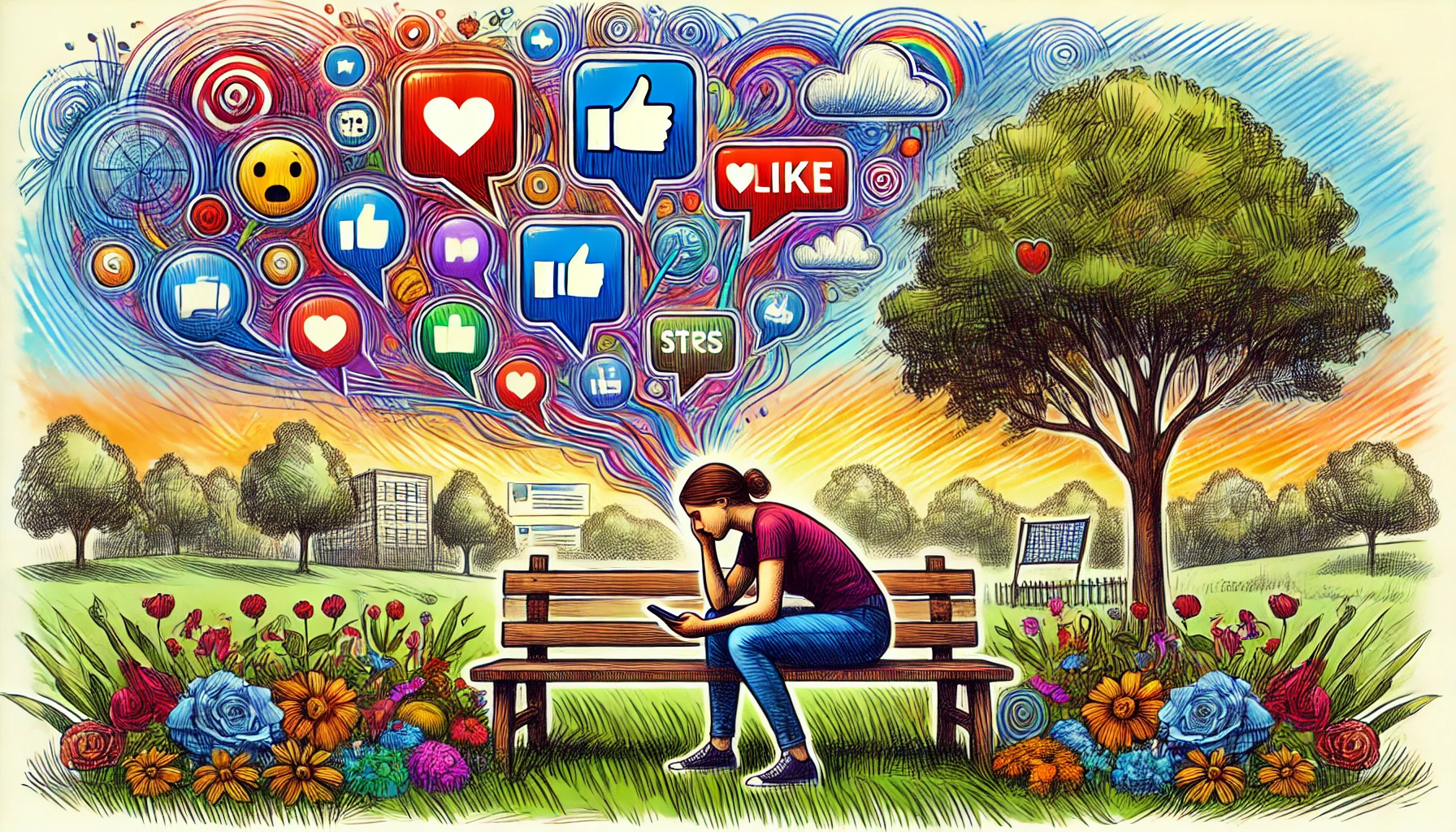
Social media has become an integral part of modern life, especially for teenagers. While it offers numerous benefits, such as staying connected with friends, accessing information, and expressing creativity, it also has potential drawbacks that can significantly impact teen mental health. Understanding these impacts is crucial for parents, educators, and teens themselves to navigate social media use in a healthy and balanced way.
Social media platforms like Instagram, Snapchat, TikTok, and Facebook can influence teens’ self-esteem, body image, and social interactions. The pressure to present a perfect online persona, exposure to cyberbullying, and the addictive nature of these platforms can contribute to various mental health issues. This guide explores both the positive and negative impacts of social media on teen mental health and offers strategies for managing its use effectively.
1. Positive Impacts of Social Media
- Connection: Social media allows teens to stay connected with friends and family, fostering a sense of belonging and community.
- Support Networks: Online communities and support groups can provide emotional support and information for teens facing similar challenges.
- Self-Expression: Platforms offer a space for teens to express themselves creatively through photos, videos, and writing.
- Educational Resources: Access to educational content, tutorials, and informational resources can enhance learning and personal growth.
- Activism and Awareness: Social media can raise awareness about social issues and encourage teens to get involved in activism and advocacy.
2. Negative Impacts of Social Media
- Comparison and Self-Esteem: Constant exposure to curated, idealized images can lead to unhealthy comparisons and lower self-esteem.
- Body Image Issues: Unrealistic beauty standards promoted on social media can contribute to body dissatisfaction and eating disorders.
- Cyberbullying: The anonymity of social media can facilitate bullying and harassment, leading to anxiety, depression, and social withdrawal.
- Addiction: Excessive use of social media can become addictive, impacting sleep, academic performance, and real-life social interactions.
- Anxiety and Depression: Overuse of social media has been linked to increased feelings of anxiety, loneliness, and depression.
3. Recognizing Signs of Social Media Impact on Mental Health
- Mood Changes: Noticeable mood swings, irritability, or signs of depression after using social media.
- Withdrawal: Reduced interest in offline activities and social interactions.
- Sleep Disturbances: Changes in sleep patterns, such as insomnia or excessive sleepiness, due to late-night social media use.
- Obsessive Checking: Constant checking of social media accounts and anxiety when unable to access them.
- Academic Decline: Drop in academic performance due to distractions and reduced focus on schoolwork.
4. Strategies for Healthy Social Media Use
- Set Boundaries: Establish clear boundaries for social media use, such as limiting screen time and setting specific times for online activity.
- Encourage Breaks: Promote regular breaks from social media to engage in offline activities and hobbies.
- Mindful Use: Encourage mindful use of social media by being intentional about who to follow and what content to engage with.
- Positive Content: Follow accounts that promote positive messages, mental health awareness, and realistic body images.
- Privacy Settings: Use privacy settings to control who can view and interact with your teen’s content, reducing exposure to negative interactions.
5. Building Resilience and Coping Skills
- Critical Thinking: Teach critical thinking skills to help teens analyze and question the content they see online.
- Self-Compassion: Encourage self-compassion and remind teens that social media often showcases a highlight reel rather than real life.
- Supportive Environment: Create a supportive home environment where teens feel comfortable discussing their online experiences.
- Peer Support: Encourage building healthy, supportive relationships with peers both online and offline.
- Stress Management: Teach stress management techniques such as mindfulness, deep breathing, and exercise to cope with negative emotions.
6. Encouraging Real-Life Interactions
- Family Time: Dedicate regular time for family activities that do not involve screens, such as board games, hiking, or cooking together.
- Social Activities: Encourage participation in social clubs, sports, and community events to foster real-life connections.
- Face-to-Face Communication: Emphasize the importance of face-to-face communication and relationship-building.
- Digital Detox: Promote periodic digital detoxes where teens unplug from social media to focus on offline activities and relationships.
- Balanced Lifestyle: Encourage a balanced lifestyle that includes physical activity, hobbies, academics, and social interactions.
7. Parental Involvement and Monitoring
- Open Communication: Maintain open lines of communication about social media use and its effects on mental health.
- Set an Example: Model healthy social media use and balanced screen time in your own life.
- Co-Viewing: Occasionally co-view social media with your teen to understand their online world and discuss any concerns.
- Education: Educate yourself and your teen about the potential impacts of social media and strategies for healthy use.
- Monitoring Tools: Use monitoring tools and apps to track social media use and ensure it aligns with agreed-upon boundaries.
8. Professional Support
- Therapists and Counselors: Seek professional help from therapists or counselors if social media use significantly impacts your teen’s mental health.
- Support Groups: Join support groups for parents and teens to share experiences and strategies for managing social media use.
- School Resources: Utilize school counselors and mental health resources available through your teen’s school.
- Workshops and Seminars: Participate in workshops and seminars on digital wellness and mental health for additional support and education.
- Early Intervention: Address any signs of mental health issues early to prevent them from becoming more severe.
In conclusion, while social media offers numerous benefits for teens, it also presents potential risks to their mental health. By understanding these impacts and implementing strategies for healthy social media use, parents and teens can work together to create a balanced and positive online experience. Encouraging real-life interactions, building resilience, and maintaining open communication are essential steps in supporting teen mental health in the digital age.