
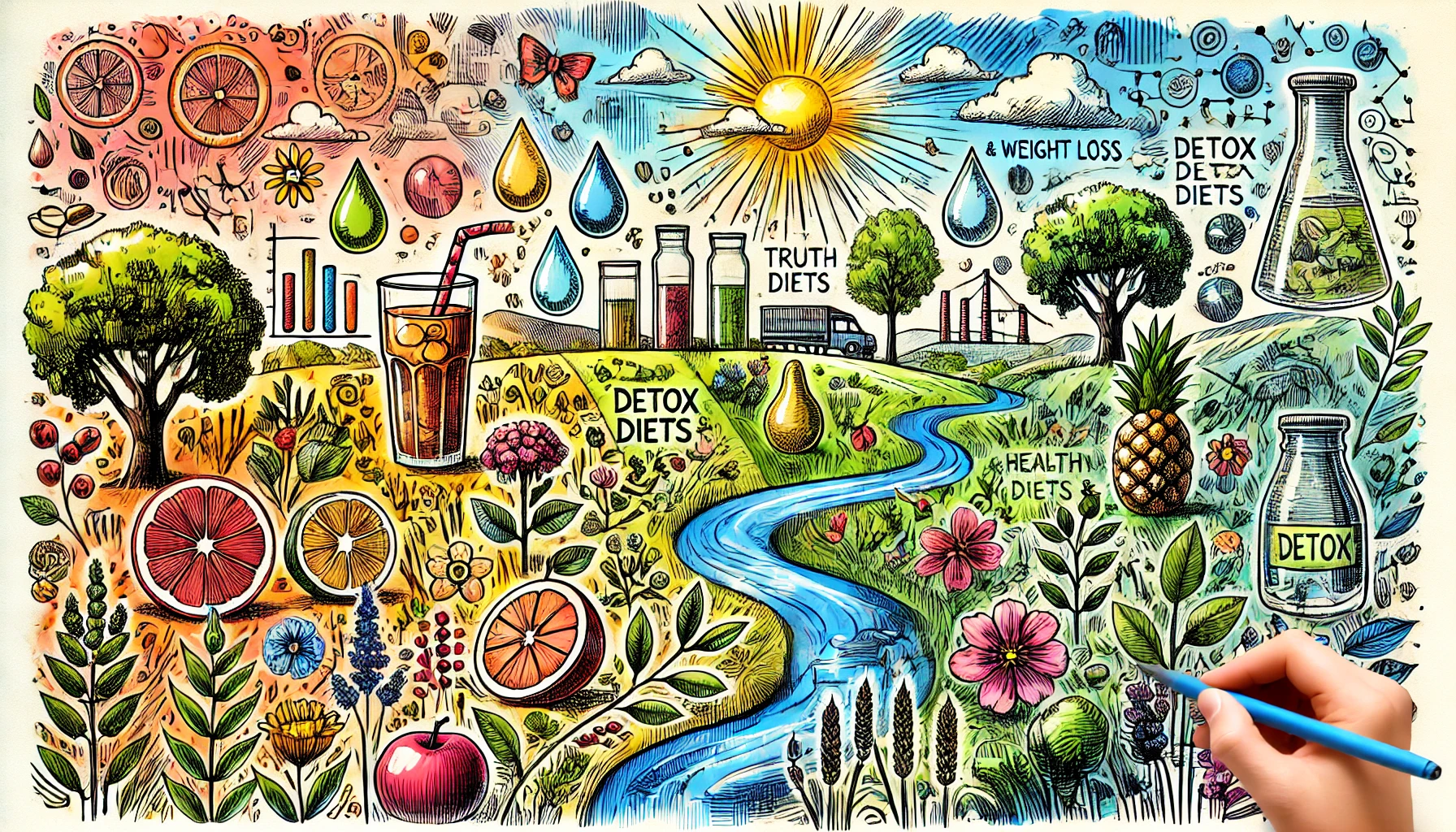
Detox diets are often marketed as a quick and effective way to lose weight, promising to cleanse the body of toxins and shed pounds rapidly. However, the reality behind these diets is often less glamorous than the claims suggest. Understanding the truth about detox diets and their impact on weight loss is crucial for making informed decisions about your health. This guide will debunk the myths surrounding detox diets and provide evidence-based insights into their effectiveness and safety.
Detox diets have gained popularity for their promise of rapid weight loss and improved health. These diets typically involve consuming specific foods, juices, or supplements designed to eliminate toxins from the body. While the idea of detoxifying the body sounds appealing, the science behind these diets is often lacking. This guide explores the truth about detox diets, their impact on weight loss, and healthier alternatives for sustainable results.
1. What Are Detox Diets?
Common Types
- Juice Cleanses: Involve consuming only fruit and vegetable juices for a certain period.
- Detox Teas: Herbal teas claimed to cleanse the digestive system.
- Fasting: Periods of complete fasting followed by restricted eating.
- Supplement-Based Detoxes: Using pills, powders, or shakes marketed as detoxifying agents.
Claims
- Toxin Elimination: Detox diets claim to remove harmful toxins from the body.
- Rapid Weight Loss: Promises of quick weight loss results.
- Improved Digestion: Claims to reset the digestive system and improve gut health.
2. The Myth of Toxins
Understanding Toxins
- Natural Detoxification: The body naturally detoxifies itself through the liver, kidneys, lungs, and skin.
- Misconceptions: The term “toxins” is often vague and not well-defined by detox diet proponents.
Scientific Perspective
- Lack of Evidence: There is little scientific evidence to support the notion that detox diets eliminate toxins more effectively than the body’s natural processes.
- Research Findings: Studies have shown that detox diets do not significantly impact toxin levels in the body.
3. The Reality of Weight Loss on Detox Diets
Initial Weight Loss
- Water Weight: Rapid weight loss on detox diets is often due to the loss of water weight, not fat.
- Glycogen Depletion: Reduced carbohydrate intake leads to glycogen depletion, causing a temporary drop in weight.
Long-Term Effects
- Muscle Loss: Prolonged detox diets can lead to muscle loss due to inadequate protein intake.
- Metabolic Slowdown: Severe calorie restriction can slow down metabolism, making it harder to maintain weight loss.
4. Potential Risks of Detox Diets
Nutritional Deficiencies
- Lack of Essential Nutrients: Detox diets often lack essential nutrients such as protein, fats, vitamins, and minerals.
- Health Consequences: Nutritional deficiencies can lead to fatigue, weakness, immune system impairment, and other health issues.
Psychological Impact
- Dietary Stress: The restrictive nature of detox diets can cause stress and anxiety around food.
- Yo-Yo Dieting: The cycle of rapid weight loss and regain can lead to unhealthy eating patterns and a negative relationship with food.
5. Healthier Alternatives to Detox Diets
Balanced Nutrition
- Whole Foods: Focus on a diet rich in whole foods, including fruits, vegetables, lean proteins, and whole grains.
- Moderation: Adopt a balanced approach to eating, avoiding extreme restrictions.
Regular Exercise
- Physical Activity: Incorporate regular exercise into your routine to support weight loss and overall health.
- Variety: Combine cardiovascular exercise, strength training, and flexibility workouts for a well-rounded fitness plan.
6. Sustainable Weight Loss Strategies
Caloric Deficit
- Moderate Reduction: Aim for a moderate caloric deficit of 500-1000 calories per day to lose 1-2 pounds per week.
- Healthy Choices: Choose nutrient-dense foods that provide essential nutrients while supporting weight loss.
Hydration and Sleep
- Stay Hydrated: Drink plenty of water to support digestion and overall health.
- Adequate Sleep: Ensure you get enough sleep to support metabolic health and weight management.
7. Consulting Healthcare Professionals
Personalized Advice
- Dietitians and Nutritionists: Seek guidance from registered dietitians or nutritionists to develop a personalized and balanced eating plan.
- Medical Supervision: Consult with healthcare providers before starting any new diet, especially if you have underlying health conditions.
Long-Term Support
- Behavioral Changes: Focus on making long-term behavioral changes rather than seeking quick fixes.
- Monitoring Progress: Regularly monitor your progress and adjust your diet and exercise plan as needed with professional guidance.
8. The Role of Supplements
Evidence-Based Supplements
- Multivitamins: Consider taking a multivitamin to fill any nutritional gaps in your diet.
- Probiotics: Probiotics can support gut health and improve digestion.
- Protein Supplements: Use protein supplements if you struggle to meet your protein needs through food alone.
Avoiding Detox Supplements
- Safety Concerns: Many detox supplements are not regulated and may contain harmful ingredients.
- Ineffectiveness: Detox supplements often lack scientific evidence to support their claims.
Detox diets are often marketed with promises of rapid weight loss and improved health, but the reality is that they offer little beyond temporary water weight loss and potential health risks. The body is naturally equipped to detoxify itself, and the best way to support this process is through a balanced diet, regular exercise, and healthy lifestyle choices. By debunking the myths of detox diets and focusing on sustainable weight loss strategies, you can achieve long-term success and improve your overall health.