
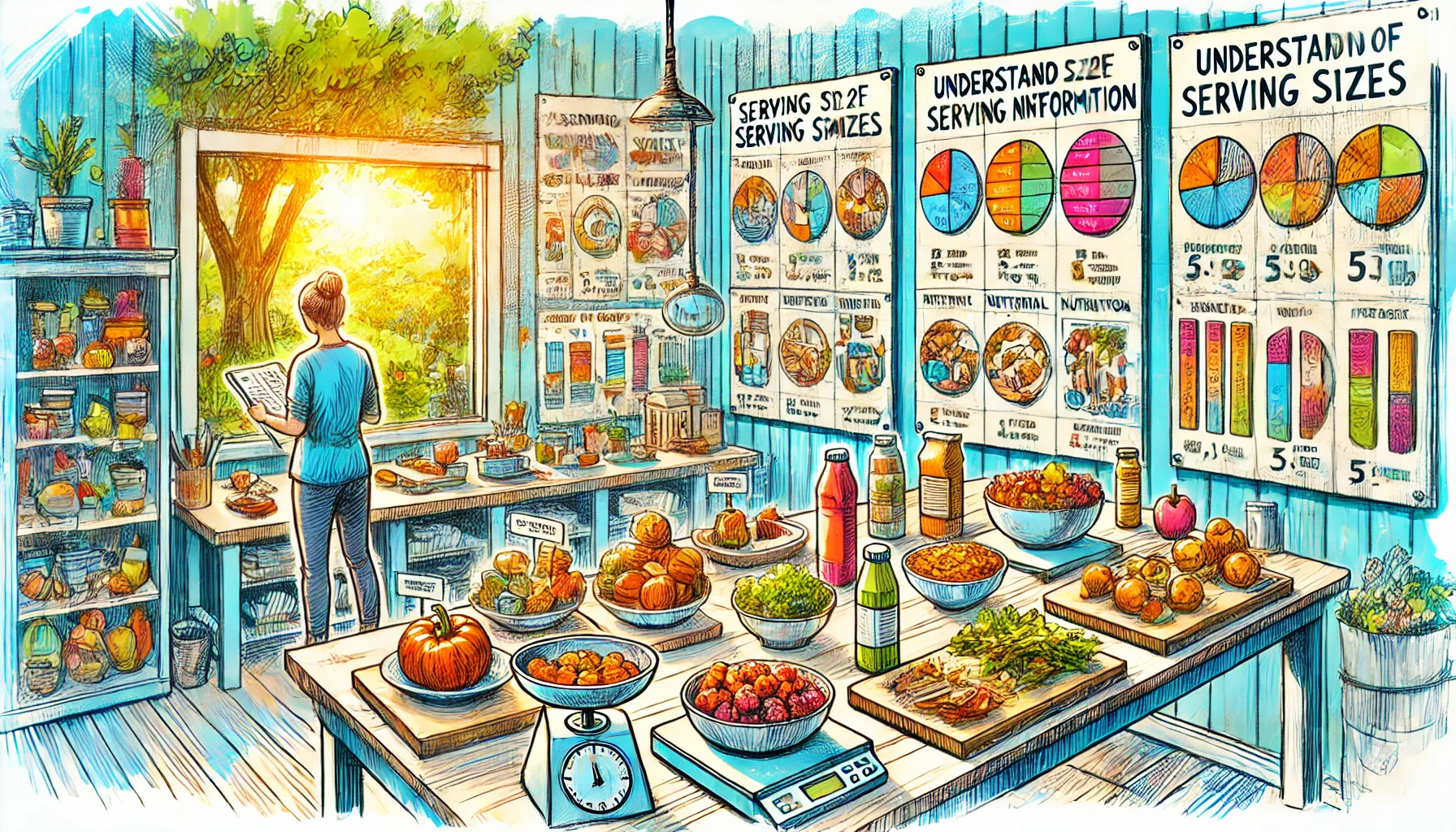
Serving sizes and nutritional information on food labels are critical for making informed dietary choices. However, these details can sometimes be confusing. This guide will help you understand serving sizes and nutritional information, enabling you to better manage your diet and health.
Food labels provide essential data about the nutritional content of packaged foods, including serving sizes, calories, macronutrients, and micronutrients. By learning to interpret this information, you can control your portions, balance your nutrient intake, and make healthier food selections.
1. Understanding Serving Size
- Definition: Serving size is the standardized amount of food used to calculate the nutritional information on the label. It is typically expressed in common household measures (e.g., cups, pieces) and grams or milliliters.
- Consistency: Serving sizes are standardized to allow consumers to compare similar products easily.
- Portion Control: Understanding serving sizes helps manage portion control and prevents overeating.
- Actual Consumption: Adjust the nutritional information based on the amount you actually consume if it differs from the serving size listed.
- Visual Estimates: Use visual cues, such as a fist for a cup or a palm for a serving of meat, to estimate portion sizes without measuring tools.
2. Servings Per Container
- Total Servings: Indicates how many servings are in the entire package. This helps you understand the total amount of food and nutrients in the package.
- Multiple Servings: Be aware that small packages may contain more than one serving, leading to higher calorie and nutrient intake than expected.
- Nutritional Calculation: Multiply the nutritional values by the number of servings you consume to get the total intake.
- Portion Awareness: Helps with portion awareness and understanding how much you are eating from the entire package.
- Sharing Information: Important for sharing or meal prepping to ensure accurate nutritional distribution.
3. Reading the Nutrition Facts Label
- Calories: The amount of energy provided by one serving of the food. Managing calorie intake is crucial for maintaining a healthy weight.
- Total Fat: Includes all types of fat in the food, measured in grams. Aim for healthy fats while limiting saturated and trans fats.
- Cholesterol: Indicates the amount of cholesterol in one serving, measured in milligrams. Keeping cholesterol intake in check helps manage heart health.
- Sodium: Measures the amount of salt in one serving. High sodium intake can lead to high blood pressure and should be monitored.
- Total Carbohydrates: Includes sugars, fiber, and starches. Essential for energy but should be balanced with fiber and limited added sugars.
- Dietary Fiber: Fiber content per serving, important for digestive health. Aim for foods high in fiber.
- Sugars: Total sugars, including both natural and added sugars. Limiting added sugars is crucial for maintaining healthy blood sugar levels.
- Protein: Amount of protein per serving, essential for muscle repair and growth. Ensure adequate protein intake based on your dietary needs.
- Vitamins and Minerals: Lists key vitamins and minerals (e.g., Vitamin D, Calcium, Iron, Potassium) and their contribution to daily values.
4. Understanding % Daily Value (%DV)
- Definition: % Daily Value (%DV) shows how much a nutrient in a serving of food contributes to a daily diet. It is based on a 2,000-calorie diet.
- High or Low: 5% DV or less is considered low, while 20% DV or more is considered high for any nutrient.
- Nutrient Goals: Use %DV to gauge whether a food is high or low in essential nutrients.
- Balanced Intake: Aim for foods with high %DV for vitamins, minerals, and fiber, and low %DV for saturated fats, cholesterol, and sodium.
- Daily Totals: Helps you track your nutrient intake throughout the day to meet your nutritional goals.
5. Interpreting Macronutrients
- Total Fat: Includes saturated, trans, and unsaturated fats. Focus on reducing saturated and trans fats while including healthy unsaturated fats.
- Saturated Fat: Should be limited to reduce the risk of heart disease. Aim for less than 10% of your daily calories from saturated fat.
- Trans Fat: Avoid trans fats as they can raise bad cholesterol levels and increase heart disease risk.
- Unsaturated Fats: Include monounsaturated and polyunsaturated fats, which are beneficial for heart health.
- Carbohydrates: Provide energy but should be balanced with fiber and low in added sugars.
- Proteins: Essential for body repair and muscle growth. Include a variety of protein sources in your diet.
6. Decoding Micronutrients
- Vitamins and Minerals: Key nutrients like Vitamin D, Calcium, Iron, and Potassium are listed to show their %DV.
- Essential Nutrients: Focus on getting enough essential vitamins and minerals to support overall health.
- Fortified Foods: Some foods are fortified with additional vitamins and minerals, which can help meet your daily requirements.
- Natural Sources: Prefer foods naturally high in vitamins and minerals for better absorption and overall health benefits.
- Deficiency Prevention: Ensure adequate intake of micronutrients to prevent deficiencies and associated health issues.
7. Identifying Added Sugars
- Total Sugars vs. Added Sugars: Total sugars include both natural and added sugars. The label now separates added sugars, making it easier to identify them.
- Common Names: Added sugars can be listed under many names such as sucrose, glucose, high fructose corn syrup, and agave nectar.
- Daily Limit: The American Heart Association recommends that women limit added sugars to 25 grams (6 teaspoons) per day and men to 36 grams (9 teaspoons) per day.
- Health Impact: High intake of added sugars is linked to various health issues, including obesity and diabetes.
- Alternative Names: Be aware of alternative names for added sugars to spot them on ingredient lists.
8. Understanding Serving Sizes for Different Foods
- Beverages: Often contain multiple servings per container, leading to higher calorie and sugar intake if consumed in one sitting.
- Snacks: Portion out snacks to avoid consuming multiple servings and exceeding calorie limits.
- Packaged Meals: Be cautious of serving sizes in packaged meals which might be smaller than a typical meal portion.
- Condiments: Serving sizes for condiments like sauces and dressings are often small, so measure portions to control calorie and sugar intake.
- Breakfast Foods: Many cereals and granolas have small serving sizes. Measure servings to avoid consuming excess calories and sugar.
9. Comparing Similar Products
- Nutritional Content: Use the Nutrition Facts label to compare the nutritional content of similar products and choose the healthier option.
- Serving Size Consistency: Ensure you are comparing the same serving sizes for accuracy.
- Added Ingredients: Check the ingredient list for added sugars, fats, and sodium, which can vary significantly between products.
- Nutrient Density: Choose products that offer more nutrients (vitamins, minerals, fiber) for the same amount of calories.
- Overall Healthiness: Look at the overall nutritional profile, not just one nutrient, to make a balanced choice.
10. Practical Tips for Using Nutritional Information
- Plan Meals: Use nutritional information to plan balanced meals that meet your dietary needs.
- Portion Control: Measure out serving sizes to avoid overeating and manage your calorie intake.
- Healthy Swaps: Use labels to find healthier alternatives to your favorite foods.
- Mindful Eating: Be mindful of portion sizes and nutritional content to make more informed eating choices.
- Track Intake: Keep track of your nutrient intake using apps or food diaries to ensure you meet your nutritional goals.
Understanding serving sizes and nutritional information is essential for making informed dietary choices. By learning to interpret food labels, you can manage portion sizes, balance your nutrient intake, and select healthier foods. Utilizing this information helps you maintain a balanced diet, avoid overconsumption, and achieve your health goals.
Start by familiarizing yourself with the Nutrition Facts label, paying attention to serving sizes, calories, macronutrients, and micronutrients. Compare products, be aware of added sugars, and use practical tips to incorporate this knowledge into your daily routine. By doing so, you can take control of your diet and improve your overall health and well-being.