
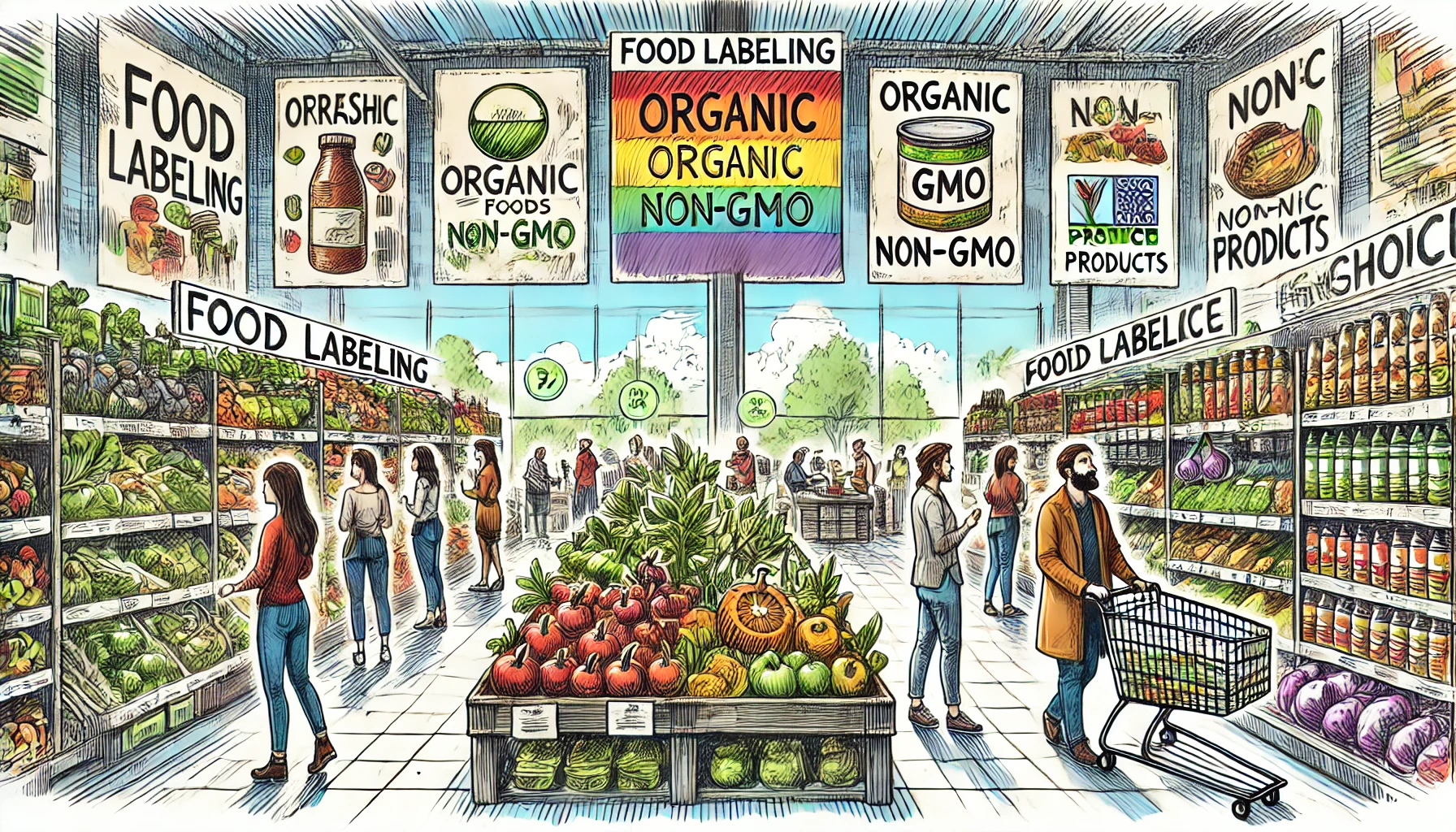
Food labeling significantly influences consumer choices by providing essential information about the nutritional content, ingredients, and health claims of food products. Understanding how food labeling affects purchasing decisions and dietary habits can help consumers make more informed choices that align with their health goals. This guide explores the impact of food labeling on consumer choices and offers insights into how labels can guide healthier eating habits.
Food labels are designed to inform consumers about what they are eating, allowing them to compare products and make choices that suit their dietary needs and preferences. By understanding the role of food labeling, consumers can better navigate the grocery store, avoid unhealthy ingredients, and select products that contribute to a balanced diet.
1. Nutritional Information and Health Awareness
- Calorie Content: Knowing the calorie content of food products helps consumers manage their energy intake, which is crucial for weight management.
- Macronutrients: Information on fats, carbohydrates, and proteins allows consumers to balance their macronutrient intake according to their dietary goals.
- Micronutrients: Labels provide details on vitamins and minerals, helping consumers ensure they meet their nutritional requirements.
- Daily Values: % Daily Values (%DV) guide consumers on how a food product fits into their overall daily nutrient intake.
- Dietary Planning: Detailed nutritional information aids in meal planning and maintaining a balanced diet.
2. Ingredient Transparency
- Ingredient List: The ingredient list reveals the components of a food product, listed in descending order by weight. This transparency helps consumers identify what they are consuming.
- Additives and Preservatives: Consumers can spot artificial additives, preservatives, and other potentially harmful substances.
- Allergen Information: Labels highlight common allergens, aiding those with food allergies or intolerances in avoiding harmful ingredients.
- Whole Foods: Identifying whole food ingredients helps consumers choose less processed and more nutritious options.
- Hidden Ingredients: Recognizing hidden sugars, fats, and sodium helps consumers make healthier choices.
3. Health Claims and Marketing Influence
- Regulated Claims: Claims like “low fat,” “high fiber,” and “sugar-free” are regulated by health authorities and can guide healthier choices.
- Marketing Terms: Terms like “natural” and “multigrain” are less regulated and can be misleading. Consumers need to look beyond marketing and check the actual nutritional content.
- Health Halo Effect: Positive claims can create a health halo effect, where consumers perceive a product as healthier than it actually is.
- Front-of-Pack Labels: Simplified labels on the front of the package, like “heart-healthy” or “low sodium,” can quickly convey health benefits.
- Consumer Perception: Health claims influence consumer perception and can lead to better or worse dietary choices depending on their accuracy.
4. Impact of Allergen Labeling
- Safety for Allergies: Clear allergen labeling helps consumers with food allergies avoid products that could cause adverse reactions.
- Cross-Contamination Warnings: Statements like “may contain” or “produced in a facility that processes” inform consumers about potential cross-contamination.
- Dietary Restrictions: Allergen labeling supports those with dietary restrictions in making safe food choices.
- Consumer Confidence: Transparent allergen information increases consumer confidence in food safety.
- Parental Awareness: Helps parents make safe choices for children with food allergies.
5. The Role of Organic and Non-GMO Labels
- Organic Certification: Labels indicating organic certification assure consumers that the product meets organic farming standards, which can influence purchase decisions.
- Non-GMO Verification: Non-GMO labels help consumers avoid genetically modified organisms if they prefer to do so.
- Environmental Concerns: These labels appeal to environmentally conscious consumers who prioritize sustainable and ethical farming practices.
- Perceived Health Benefits: Many consumers believe organic and non-GMO products are healthier, which can drive their purchasing choices.
- Price Sensitivity: While these labels often come with a higher price, consumers willing to pay the premium may be more committed to their dietary preferences.
6. Influence of Fair Trade and Ethical Labels
- Fair Trade Certification: Labels indicating fair trade practices inform consumers that the product supports fair wages and ethical working conditions.
- Social Responsibility: Ethical labels appeal to consumers who prioritize social responsibility and fair labor practices.
- Consumer Loyalty: Products with ethical certifications can build consumer loyalty and trust.
- Environmental Impact: Many ethical labels also indicate sustainable and environmentally friendly practices.
- Market Trends: Increasing awareness and demand for ethically produced goods drive market trends towards more sustainable options.
7. Simplified Labeling Systems
- Traffic Light Labels: Some countries use traffic light labels to indicate high (red), medium (amber), or low (green) levels of fats, sugars, and salts, simplifying the decision-making process.
- Health Star Rating: Systems like the Health Star Rating provide an overall rating of the nutritional profile of food products, making it easier for consumers to choose healthier options.
- Nutritional Score: Numerical scores summarize the nutritional quality of products, helping consumers quickly assess their healthiness.
- Front-of-Pack Symbols: Symbols like the Heart-Check mark or Whole Grain Stamp provide quick guidance on health benefits.
- Educational Impact: Simplified systems can educate consumers on making healthier choices without needing to interpret detailed information.
8. The Effect of Labeling on Consumer Behavior
- Informed Choices: Detailed and accurate food labeling empowers consumers to make informed dietary choices.
- Dietary Adjustments: Awareness of nutritional content leads to adjustments in diet, such as reducing sugar, fat, and sodium intake.
- Purchase Decisions: Labels influence purchase decisions, steering consumers towards healthier options.
- Health Consciousness: Exposure to nutritional information increases health consciousness and encourages better eating habits.
- Behavioral Change: Consistent labeling can drive long-term behavioral changes towards healthier eating patterns.
9. Challenges with Food Labeling
- Complexity and Misinterpretation: The complexity of labels can lead to misinterpretation. Simplified labeling systems can mitigate this.
- Misleading Claims: Some labels can be misleading or unclear, requiring consumers to be vigilant and well-informed.
- Regulatory Variations: Differences in labeling regulations across countries can confuse consumers.
- Information Overload: Too much information can overwhelm consumers, making it difficult to focus on key details.
- Evolving Standards: As dietary guidelines and standards evolve, staying updated with the latest labeling practices is essential.
10. Strategies for Using Food Labels Effectively
- Read Thoroughly: Take time to read the entire food label, including the ingredient list and nutritional information.
- Compare Products: Use labels to compare similar products and choose the healthier option.
- Focus on Nutrients: Prioritize essential nutrients like fiber, protein, vitamins, and minerals.
- Limit Harmful Ingredients: Look for and limit added sugars, unhealthy fats, and high sodium levels.
- Educate Yourself: Continuously educate yourself about food labels and stay updated with current guidelines and standards.
Food labeling plays a vital role in influencing consumer choices by providing essential information about nutritional content, ingredients, and health claims. By understanding and utilizing food labels effectively, consumers can make informed dietary choices that align with their health goals. Labels not only guide healthier eating habits but also support dietary restrictions, ethical considerations, and environmental concerns.
The impact of food labeling extends beyond individual health, influencing market trends and driving demand for healthier, more sustainable products. By being vigilant and informed, consumers can leverage food labels to make choices that contribute to overall well-being and a balanced diet.