
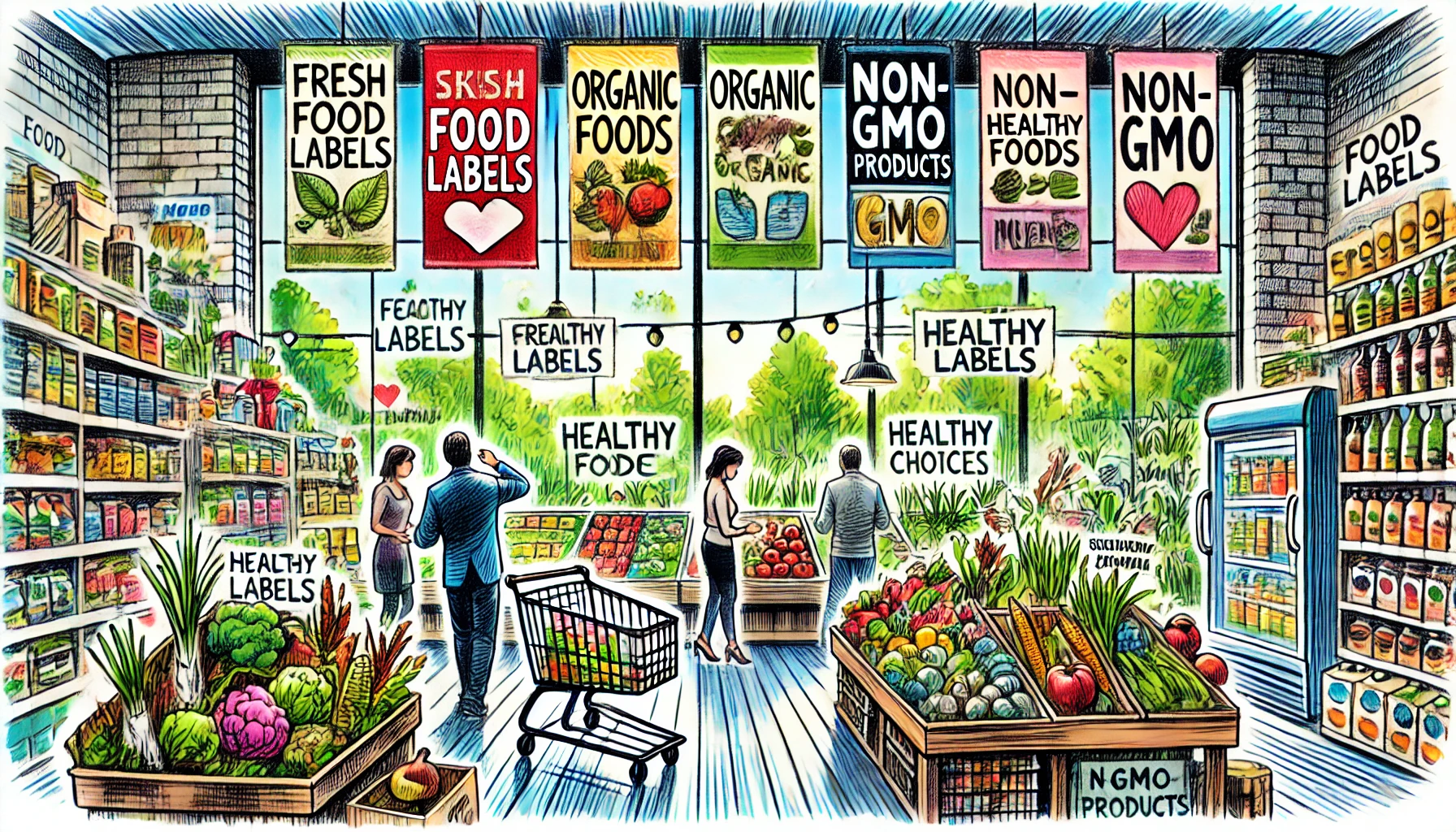
Food labels play a crucial role in helping consumers make informed dietary choices. They provide essential information about the nutritional content, ingredients, and health claims of food products, enabling individuals to select items that align with their health goals and dietary needs. Understanding how to read and interpret food labels can significantly impact your overall health and well-being.
Food labels are designed to give consumers transparency about what they are eating. They reveal everything from calorie content and macronutrient composition to vitamins, minerals, and added ingredients. By effectively using this information, you can manage your diet more efficiently, avoid harmful substances, and ensure you’re getting the nutrients your body needs.
1. Understanding Serving Size and Servings Per Container
- Serving Size: The first step in reading a food label is understanding the serving size, which is the basis for all other nutritional information. It’s important to note that the serving size listed may not be the same as the amount you typically consume.
- Servings Per Container: This indicates how many servings are in the entire package. If you consume more than one serving, you’ll need to adjust the nutritional values accordingly.
- Portion Control: Helps manage portion sizes and avoid overeating.
- Caloric Intake: Ensures you’re aware of the actual calorie consumption if you eat more than one serving.
- Nutritional Accuracy: Provides a clearer picture of the total nutritional intake from the package.
2. Checking Calories
- Calories per Serving: Indicates the amount of energy you get from one serving. This is essential for managing weight and energy balance.
- Total Calories: Multiply the calories per serving by the number of servings you consume to understand your total caloric intake.
- Energy Management: Helps balance calorie intake with physical activity levels.
- Diet Planning: Crucial for those monitoring their calorie intake for weight loss or maintenance.
- Awareness: Prevents underestimating or overestimating calorie consumption.
3. Evaluating Macronutrients: Fats, Carbohydrates, and Proteins
- Total Fat: Includes all fats in the food. Look for lower amounts of saturated and trans fats, and higher amounts of unsaturated fats.
- Saturated and Trans Fats: These can increase the risk of heart disease and should be limited.
- Unsaturated Fats: These are beneficial for heart health and should be included in a balanced diet.
- Total Carbohydrates: Important for energy. Pay attention to fiber and sugar content.
- Dietary Fiber: Essential for digestive health. Higher fiber intake supports overall health.
- Sugars: Includes natural and added sugars. Limiting added sugars can prevent weight gain and reduce the risk of chronic diseases.
- Proteins: Important for muscle repair and growth. Ensure sufficient protein intake based on your activity level and dietary needs.
4. Monitoring Micronutrients: Vitamins and Minerals
- Key Nutrients: Look for essential vitamins and minerals like Vitamin D, Calcium, Iron, and Potassium.
- % Daily Value: Shows how much a nutrient in a serving of food contributes to a daily diet. 20% or more is high, while 5% or less is low.
- Nutrient Density: Choose foods that are high in vitamins and minerals to maximize nutritional benefits.
- Deficiency Prevention: Helps prevent nutrient deficiencies and supports overall health.
- Balanced Diet: Ensures you get a variety of nutrients needed for optimal health.
5. Deciphering the Ingredient List
- Descending Order: Ingredients are listed in descending order by weight, with the heaviest ingredient first.
- Whole Foods: Prefer products where whole food ingredients are listed at the beginning.
- Additives and Preservatives: Identify and limit foods with artificial additives, preservatives, and high amounts of added sugars and salts.
- Allergens: Check for potential allergens if you have dietary restrictions.
- Transparency: A shorter ingredient list usually indicates a more natural product.
6. Understanding Food Claims
- Regulated Claims: Terms like “low fat,” “high fiber,” and “sugar-free” are regulated by the FDA and have specific meanings.
- Marketing Terms: Be cautious of terms like “natural” or “multigrain,” which are less regulated and can be misleading.
- Nutrient Content Claims: These highlight specific nutrient levels (e.g., “good source of fiber”) and should be considered in the context of the overall nutritional profile.
- Health Claims: These connect the food to reduced risk of disease and are regulated.
- Qualified Health Claims: Some claims are qualified with additional context (e.g., “may reduce the risk of heart disease”), indicating the benefit is not solely from the food.
7. Comparing Similar Products
- Nutritional Content: Use food labels to compare the nutritional content of similar products to make healthier choices.
- Ingredient Quality: Choose products with fewer, more natural ingredients.
- Serving Size Consistency: Ensure you are comparing the same portion sizes for accuracy.
- Additive Check: Prefer products with fewer additives and preservatives.
- Overall Healthiness: Look for products with balanced nutrients and minimal harmful ingredients.
8. Special Dietary Needs and Preferences
- Allergies and Intolerances: Always check for allergens and ingredients that may cause adverse reactions.
- Dietary Preferences: Look for labels indicating if the product is vegetarian, vegan, gluten-free, or other dietary-specific markers.
- Health Conditions: If you have conditions like diabetes or hypertension, focus on sugar, carbohydrate, and sodium content.
- Nutrient Goals: Tailor your choices to meet specific nutrient goals, such as higher protein for muscle building or higher fiber for digestive health.
- Custom Plans: Work with a nutritionist to understand how to use food labels to meet your specific dietary needs.
9. Use of Technology
- Apps and Tools: Utilize apps like MyFitnessPal or Yuka to scan barcodes and get detailed nutritional information.
- Online Databases: Websites like the USDA National Nutrient Database provide comprehensive nutritional data on foods.
- Smart Choices: Technology can help you quickly assess the healthiness of a product and track your intake.
- Label Reading Guides: Refer to guides from health organizations for lists of harmful ingredients to avoid.
- Personalized Advice: Consult with a dietitian or nutritionist for personalized guidance on reading labels and choosing healthier foods.
10. Staying Informed and Educated
- Continuous Learning: Stay updated with the latest research and guidelines on food ingredients and nutrition.
- Health Workshops: Attend workshops or webinars on nutrition and label reading.
- Community Support: Join groups or forums where you can share information and learn from others’ experiences.
- Recipe Modification: Learn to modify recipes to use fewer processed ingredients and more whole foods.
- Nutritional Education: Invest time in learning about different nutrients and their roles in health to make better food choices.
Food labels are a vital tool in maintaining a healthy diet. By understanding serving sizes, calories, macronutrients, micronutrients, ingredient lists, and food claims, you can make more informed and healthier dietary choices. Comparing similar products, considering special dietary needs, and utilizing technology further enhance your ability to navigate food labels effectively.
Incorporating these practices into your daily routine will help you select foods that contribute to better health and well-being. Start by being more conscious of the labels on the foods you buy and gradually build your knowledge and confidence in making informed food choices.