
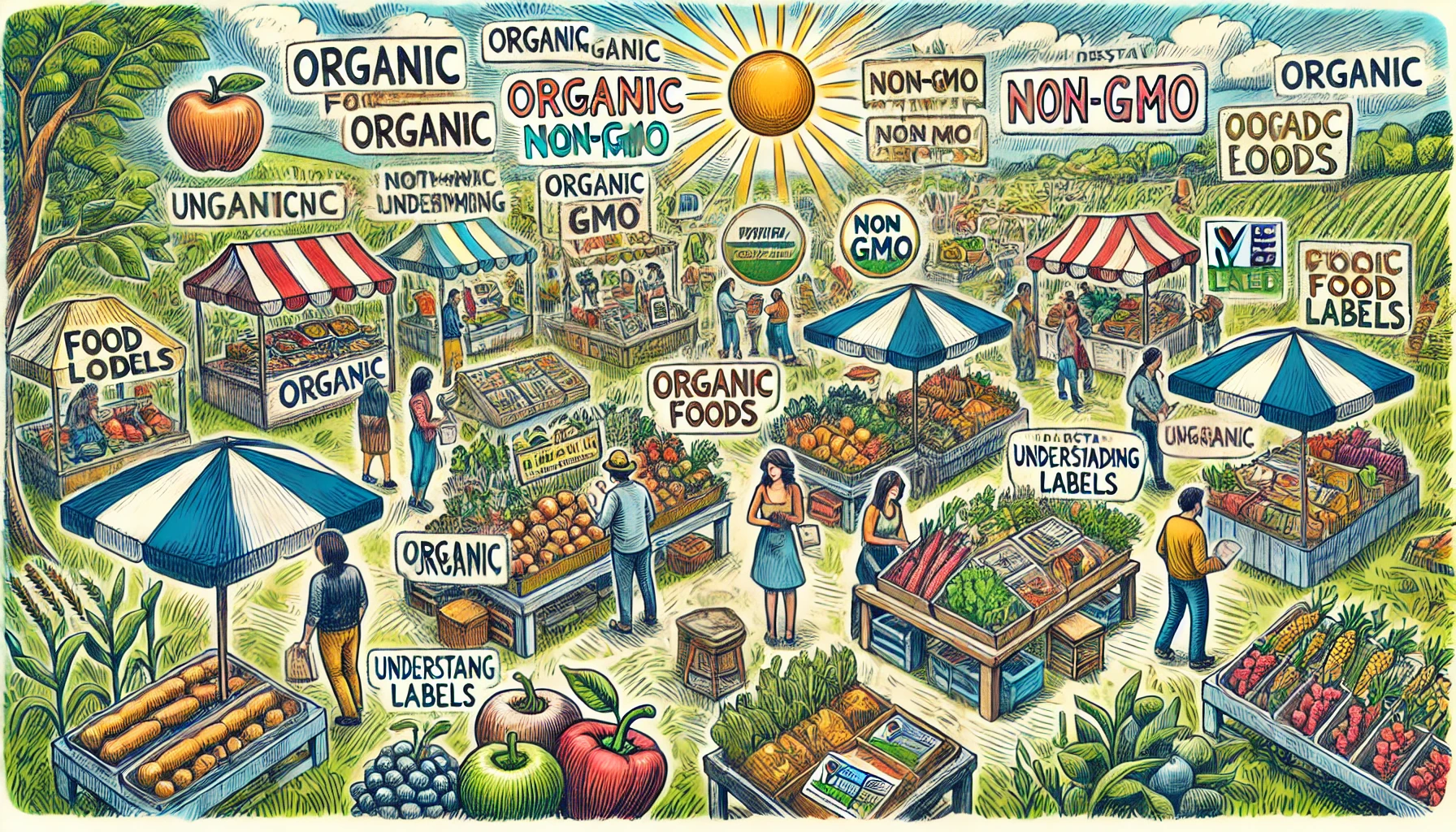
Navigating the myriad of labels on food products can be overwhelming. Labels like “Organic,” “Non-GMO,” and others are meant to help consumers make informed choices, but their meanings and implications can sometimes be unclear. This guide will help you understand these labels better, enabling you to make more informed and health-conscious decisions.
Food labels serve as important tools for consumers to discern the quality, production methods, and safety of food products. By understanding what these labels truly signify, you can better align your purchases with your health goals and values.
1. Organic
- USDA Certified Organic: Indicates that the product meets strict guidelines set by the USDA, including no synthetic fertilizers, pesticides, genetically modified organisms (GMOs), antibiotics, or hormones.
- Organic Ingredients: Products labeled “made with organic ingredients” must contain at least 70% organic ingredients but are not fully organic.
- Health Benefits: Organic foods are often perceived as healthier due to fewer pesticide residues and potentially higher nutrient levels.
- Environmental Impact: Organic farming practices are designed to be more sustainable and environmentally friendly.
- Cost Consideration: Organic products can be more expensive, so balance the benefits against your budget.
2. Non-GMO
- Non-GMO Project Verified: Indicates that the product does not contain genetically modified organisms. This label is verified by the Non-GMO Project, a third-party organization.
- GMOs Defined: GMOs are organisms whose genetic material has been altered using genetic engineering techniques, often to improve crop resistance or yield.
- Health Concerns: While the health impacts of GMOs are still debated, some consumers prefer to avoid them due to potential risks and environmental concerns.
- Environmental Impact: Non-GMO farming can be better for biodiversity and reduce reliance on certain pesticides.
- Availability: Non-GMO products are becoming more common, but they may still be limited in some areas.
3. Fair Trade
- Fair Trade Certified: Indicates that the product was produced under fair labor conditions, ensuring fair wages, safe working conditions, and sustainable farming practices.
- Social Impact: Fair Trade aims to improve the livelihoods of farmers and workers in developing countries.
- Environmental Standards: Fair Trade standards often include environmental criteria to promote sustainable farming practices.
- Product Range: Commonly found on products like coffee, chocolate, tea, and bananas.
- Cost Implication: Fair Trade products may be more expensive due to the ethical practices involved in their production.
4. Cage-Free, Free-Range, and Pasture-Raised
- Cage-Free: Refers to eggs from hens that are not kept in cages. However, it does not necessarily mean they have access to the outdoors.
- Free-Range: Indicates that the animals had some access to the outdoors. The quality and duration of this access can vary.
- Pasture-Raised: Implies that animals spent a significant portion of their lives on pasture, with a more natural diet and environment.
- Animal Welfare: These labels generally suggest better animal welfare practices compared to conventional farming.
- Nutritional Benefits: Products from pasture-raised animals may have higher levels of certain nutrients like omega-3 fatty acids.
- Label Verification: Look for certifications from organizations like Certified Humane or Animal Welfare Approved for more stringent standards.
5. Grass-Fed
- Grass-Fed Beef: Indicates that the cattle were fed a diet primarily of grass, rather than grain. This can affect the nutritional profile of the meat.
- Nutritional Profile: Grass-fed beef typically has higher levels of omega-3 fatty acids and antioxidants.
- Environmental Impact: Grass-fed systems can be more sustainable and better for animal welfare.
- Label Variations: Terms like “100% grass-fed” or “grass-finished” provide additional assurance about the animal’s diet.
- Quality and Taste: Grass-fed beef may have a different taste and texture compared to grain-fed beef.
6. Hormone-Free and Antibiotic-Free
- Hormone-Free: Indicates that no hormones were administered to the animals during their growth. This label is common on beef and dairy products.
- Antibiotic-Free: Means that the animals were raised without the use of antibiotics. Look for labels like “No Antibiotics Ever” for assurance.
- Health Concerns: Overuse of antibiotics in animal farming can contribute to antibiotic resistance, which is a significant public health concern.
- Label Verification: USDA Organic and Certified Humane labels also ensure no antibiotics or hormones were used.
- Consumer Preference: Many consumers choose these products to avoid potential health risks associated with hormones and antibiotics.
7. Gluten-Free
- Gluten-Free Certification: Indicates that the product contains less than 20 parts per million (ppm) of gluten, suitable for those with celiac disease or gluten sensitivity.
- Celiac Disease: For individuals with celiac disease, consuming gluten can cause serious health issues, making this label essential.
- Diet Trend: Some people choose gluten-free products as part of a dietary trend, although it’s not necessary for those without gluten intolerance.
- Ingredient Substitutes: Gluten-free products often use alternative grains like rice, quinoa, and sorghum.
- Nutritional Quality: Check for nutritional quality, as some gluten-free products can be low in fiber and other nutrients.
8. Low-Fat, Low-Sodium, and Sugar-Free
- Low-Fat: Indicates that the product contains 3 grams of fat or less per serving. Often used in dairy and snack products.
- Low-Sodium: Means the product contains 140 milligrams of sodium or less per serving. Important for those managing blood pressure.
- Sugar-Free: Contains less than 0.5 grams of sugar per serving. Often includes artificial sweeteners.
- Health Claims: These labels can help manage specific dietary needs but watch for added ingredients like sugars or salts that compensate for the reduced component.
- Nutritional Balance: Ensure the product still provides essential nutrients and doesn’t rely heavily on artificial additives.
9. Local
- Local Food: Indicates that the product was grown or produced within a specific local area, often within 100 miles.
- Freshness: Local products are often fresher due to shorter transportation times.
- Environmental Impact: Reduces the carbon footprint associated with long-distance food transportation.
- Supporting Local Economy: Purchasing local supports local farmers and businesses.
- Seasonality: Local foods are typically more seasonal, offering produce at its peak ripeness and flavor.
10. Sustainable
- Sustainable Farming: Practices that do not deplete resources or harm the environment, ensuring long-term agricultural productivity.
- Certifications: Look for labels like Rainforest Alliance, Marine Stewardship Council, or Certified Sustainable.
- Environmental Benefits: Supports eco-friendly practices that protect natural resources and biodiversity.
- Consumer Responsibility: Choosing sustainable products helps promote environmental conservation and responsible farming practices.
- Product Range: Includes a variety of products from seafood to coffee and household goods.
Understanding food labels such as “Organic,” “Non-GMO,” “Fair Trade,” and others is essential for making informed and health-conscious choices. Each label carries specific meanings and implications for health, environmental impact, and ethical considerations. By familiarizing yourself with these labels, you can select products that align with your dietary goals and values, contributing to better overall health and well-being.