
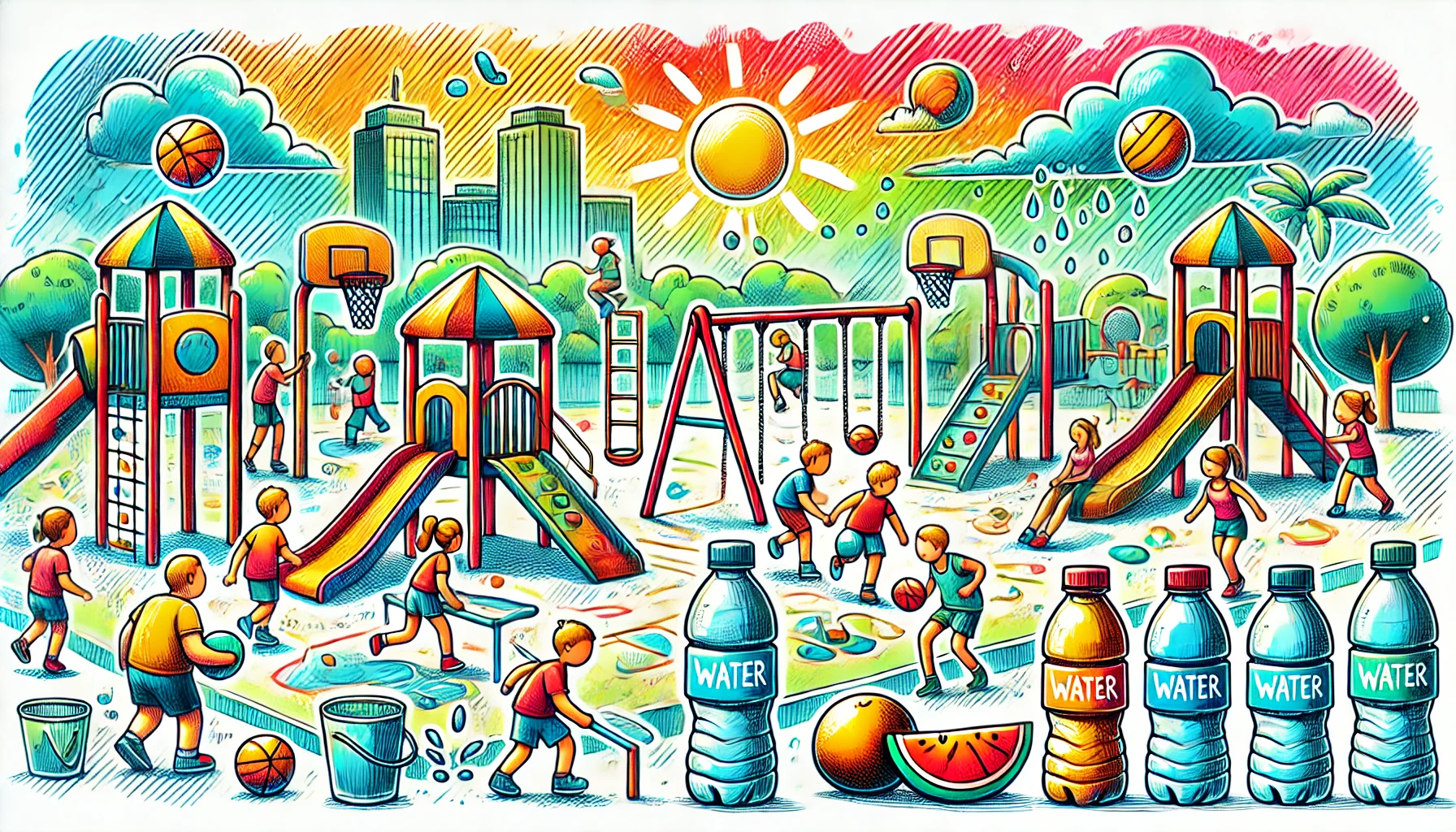
Proper hydration is essential for the growth, development, and overall health of kids and teens. Water is vital for numerous bodily functions, including temperature regulation, digestion, and cognitive performance. However, children and adolescents often forget to drink enough water, especially during busy school days or active play. This guide provides practical hydration tips to ensure kids and teens stay adequately hydrated, supporting their physical and mental well-being.
Understanding the unique hydration needs of kids and teens is crucial for parents, caregivers, and educators. By promoting good hydration habits from a young age, you can help children develop lifelong healthy habits. This comprehensive guide offers actionable advice to encourage proper hydration for kids and teens, ensuring they get the fluids they need to thrive.
1. Importance of Hydration for Kids and Teens
- Growth and Development: Adequate hydration supports the growth and development of children and adolescents, aiding in cell function and nutrient absorption.
- Cognitive Function: Proper hydration enhances concentration, memory, and overall cognitive performance, crucial for academic success.
- Physical Activity: Staying hydrated is essential for optimal physical performance and energy levels during sports and active play.
- Temperature Regulation: Water helps regulate body temperature, preventing overheating and maintaining comfort during activities.
- Digestive Health: Adequate water intake supports digestion and helps prevent constipation.
2. Recommended Daily Water Intake
- Age-Specific Guidelines: Water needs vary by age. General guidelines are:
- Ages 4-8: About 5 cups (1.2 liters) per day
- Ages 9-13: About 7-8 cups (1.6-1.9 liters) per day for girls and boys, respectively
- Ages 14-18: About 8-11 cups (1.9-2.6 liters) per day for girls and boys, respectively
- Individual Needs: Adjust water intake based on activity level, climate, and individual needs. Active children and teens or those in hot climates may need more.
- Listen to Thirst: Encourage kids to drink when they feel thirsty, as thirst is a natural signal for hydration needs.
3. Making Hydration Fun
- Colorful Bottles: Use colorful, fun water bottles to make drinking water more appealing. Let kids choose their favorite designs.
- Flavor Infusions: Add natural flavors like lemon, lime, or berries to water for a tasty twist without added sugars.
- Fruit-Infused Water: Create fruit-infused water with slices of fruit and herbs to make hydration exciting and flavorful.
- Interactive Apps: Use hydration tracking apps designed for kids to make drinking water a fun and engaging activity.
- Hydration Challenges: Set up friendly hydration challenges with rewards to encourage regular water intake.
4. Incorporating Hydrating Foods
- Water-Rich Fruits: Include fruits like watermelon, strawberries, oranges, and grapes in their diet for added hydration.
- Vegetables: Offer hydrating vegetables such as cucumbers, celery, lettuce, and bell peppers.
- Smoothies: Make hydrating smoothies with water-rich fruits and vegetables for a nutritious and refreshing drink.
- Soups and Broths: Serve soups and broths regularly, especially during colder months, to boost fluid intake.
- Hydrating Snacks: Provide snacks like yogurt, popsicles made from real fruit juice, and hydrating fruits.
5. Hydration During School
- Water Bottles: Ensure kids bring a water bottle to school and refill it regularly throughout the day.
- Hydration Breaks: Encourage schools to implement hydration breaks during classes and recess.
- Education: Teach children the importance of hydration and how it affects their energy levels and concentration.
- Visible Reminders: Place visual reminders in lunchboxes or backpacks to encourage drinking water.
- Teachers’ Role: Educators can play a role by reminding students to drink water and making it accessible in the classroom.
6. Hydration During Sports and Physical Activities
- Pre-Activity Hydration: Encourage kids to drink water before engaging in sports or physical activities to ensure they start hydrated.
- During Activity: Provide water breaks every 20 minutes during intense activities or play, especially in hot weather.
- Post-Activity Hydration: Ensure they rehydrate after sports or exercise to replenish lost fluids.
- Electrolyte Drinks: For prolonged or intense activities, consider electrolyte drinks to replace lost minerals.
- Hydration Gear: Equip them with appropriate hydration gear like sports water bottles and hydration packs.
7. Healthy Hydration Habits at Home
- Hydration Stations: Set up hydration stations with water and healthy drinks in accessible areas at home.
- Lead by Example: Model good hydration habits by drinking water regularly and encouraging family members to do the same.
- Regular Reminders: Set regular reminders or use timers to prompt kids to drink water throughout the day.
- Consistent Routine: Establish a daily hydration routine, such as drinking a glass of water before each meal and after brushing teeth.
- Reward System: Implement a reward system for meeting daily hydration goals, using stickers or small incentives.
8. Recognizing Signs of Dehydration
- Common Symptoms: Watch for signs of dehydration, including dry mouth, dark urine, fatigue, dizziness, and irritability.
- Behavioral Changes: Note any changes in behavior such as decreased activity levels, crankiness, or difficulty concentrating.
- Skin Check: Check for dry or flushed skin, which can indicate dehydration.
- Frequent Thirst: Frequent expressions of thirst can be a sign that they’re not drinking enough water regularly.
- Parental Vigilance: Parents should remain vigilant and encourage hydration at the first signs of dehydration.
9. Overcoming Barriers to Hydration
- Taste Preferences: If kids dislike plain water, try infused or flavored water to make it more appealing.
- Forgetfulness: Use visual and auditory reminders to help kids remember to drink water throughout the day.
- Dislike of Water: Encourage drinking water with meals and offer a variety of hydrating beverages to ensure they stay hydrated.
- Accessibility: Ensure water is always easily accessible at home, school, and during activities.
- Peer Influence: Encourage group activities or peer challenges around hydration to make it a shared and fun activity.
10. Long-Term Hydration Habits
- Education: Educate kids and teens about the benefits of hydration and how it affects their bodies and minds.
- Involvement: Involve them in choosing their water bottles, preparing fruit-infused water, and tracking their hydration.
- Consistency: Maintain consistent hydration habits at home and during activities to make it a natural part of their routine.
- Positive Reinforcement: Use positive reinforcement to encourage ongoing hydration, highlighting the benefits they feel.
- Family Activities: Incorporate hydration into family activities, making it a shared responsibility and experience.
Ensuring proper hydration for kids and teens is crucial for their growth, development, and overall health. By understanding their unique hydration needs and implementing practical strategies, you can help them develop healthy hydration habits that last a lifetime. Use these tips to make hydration fun, accessible, and consistent, supporting their physical and mental well-being. Encourage regular water intake, incorporate hydrating foods, and set a positive example to help kids and teens stay hydrated and healthy.