
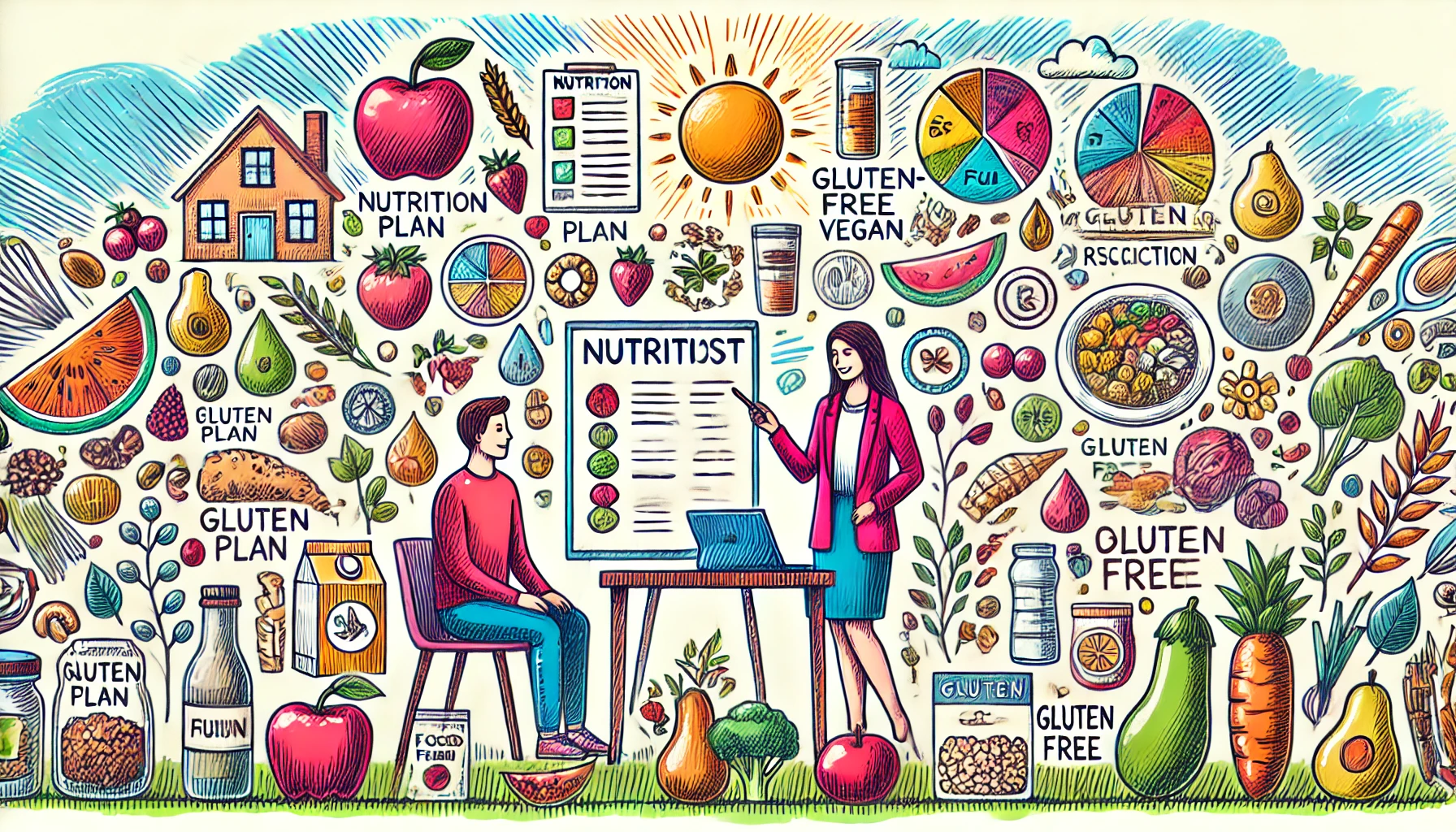
Managing dietary restrictions can be challenging, but a nutritionist can play a pivotal role in helping individuals navigate these complexities. Whether dealing with food allergies, intolerances, chronic conditions, or specific dietary preferences, a nutritionist provides tailored advice and support to ensure nutritional adequacy and overall well-being. This comprehensive guide will explore the role of a nutritionist in managing dietary restrictions, the benefits of consulting one, and practical tips for working effectively with a nutritionist.
Nutritionists are experts in food and nutrition, equipped with the knowledge to create personalized diet plans that meet individual health needs. Their guidance is invaluable for anyone looking to manage dietary restrictions effectively while maintaining a balanced and enjoyable diet. Let’s delve into how a nutritionist can assist in managing dietary restrictions and optimizing health.
1. Understanding the Role of a Nutritionist
Expertise in Food and Nutrition
- Educational Background: Nutritionists typically have a degree in nutrition, dietetics, or a related field, providing them with a deep understanding of the science of food and its impact on health.
- Specialized Knowledge: Many nutritionists have additional certifications or specializations in areas like sports nutrition, pediatric nutrition, or managing chronic diseases.
Personalized Dietary Plans
- Individual Assessment: Nutritionists conduct comprehensive assessments to understand an individual’s dietary needs, health conditions, lifestyle, and personal preferences.
- Tailored Recommendations: Based on the assessment, nutritionists create personalized diet plans that address specific dietary restrictions and health goals.
2. Benefits of Consulting a Nutritionist
Ensuring Nutritional Adequacy
- Balanced Diet: Nutritionists help ensure that individuals with dietary restrictions get all necessary nutrients, avoiding deficiencies.
- Supplement Guidance: When necessary, nutritionists can recommend appropriate supplements to meet nutritional needs.
Managing Health Conditions
- Chronic Diseases: Nutritionists provide dietary strategies to manage chronic conditions like diabetes, heart disease, and gastrointestinal disorders.
- Food Allergies and Intolerances: They help identify safe foods and avoid allergens, reducing the risk of adverse reactions.
Weight Management
- Healthy Weight: Nutritionists offer guidance on achieving and maintaining a healthy weight through balanced eating plans.
- Metabolic Health: They provide strategies to boost metabolism and support overall metabolic health.
Improving Quality of Life
- Energy Levels: A well-planned diet can improve energy levels and overall vitality.
- Digestive Health: Nutritionists offer solutions to improve digestive health and alleviate symptoms of digestive disorders.
3. Practical Tips for Working with a Nutritionist
Preparing for Your First Visit
- Medical History: Bring a detailed medical history, including any diagnosed conditions, medications, and previous dietary changes.
- Dietary Preferences: Be ready to discuss your dietary preferences, lifestyle, and any challenges you face with your current diet.
- Food Diary: Consider keeping a food diary for a week before your appointment to provide insight into your eating habits.
Communication is Key
- Be Honest: Openly discuss your dietary habits, preferences, and any difficulties you face. Honest communication helps the nutritionist tailor their recommendations.
- Ask Questions: Don’t hesitate to ask questions about the diet plan, food choices, or any concerns you may have.
Follow-Up and Adjustments
- Regular Check-Ins: Schedule regular follow-up appointments to monitor progress and make necessary adjustments to your diet plan.
- Feedback Loop: Provide feedback on what’s working and what’s not. This helps the nutritionist refine your plan for better results.
4. Case Studies and Success Stories
Case Study 1: Managing Gluten Sensitivity
Background: Sarah, a 35-year-old woman with gluten sensitivity, was experiencing digestive issues and fatigue.
Nutritionist’s Role:
- Conducted a comprehensive dietary assessment.
- Developed a gluten-free diet plan rich in alternative grains and fiber.
- Recommended gluten-free products and safe dining options.
Outcome: Sarah’s digestive issues improved, and she experienced increased energy levels and overall well-being.
Case Study 2: Pediatric Nutrition for Food Allergies
Background: Jake, a 7-year-old boy with multiple food allergies (dairy, nuts, and eggs).
Nutritionist’s Role:
- Created a balanced diet plan that excluded allergens.
- Educated the family on reading food labels and avoiding cross-contamination.
- Suggested safe and nutritious alternatives for common allergenic foods.
Outcome: Jake maintained a balanced diet, gained healthy weight, and his allergy symptoms were effectively managed.
5. Finding the Right Nutritionist
Credentials and Experience
- Certified Professionals: Look for nutritionists with recognized certifications, such as Registered Dietitian Nutritionist (RDN) or Certified Nutrition Specialist (CNS).
- Relevant Experience: Choose a nutritionist with experience in managing your specific dietary restrictions or health conditions.
Compatibility and Communication
- Personal Fit: Ensure that you feel comfortable with the nutritionist and that they listen to your concerns and preferences.
- Communication Style: A nutritionist who communicates clearly and provides practical advice can be more effective in helping you achieve your goals.
A nutritionist plays a crucial role in managing dietary restrictions by providing personalized advice, ensuring nutritional adequacy, and supporting overall health. By working with a nutritionist, individuals can navigate their dietary restrictions effectively and enjoy a balanced, nutritious diet. Use the tips and insights from this guide to find the right nutritionist and make the most of their expertise. With professional guidance, managing dietary restrictions becomes a manageable and empowering journey.