
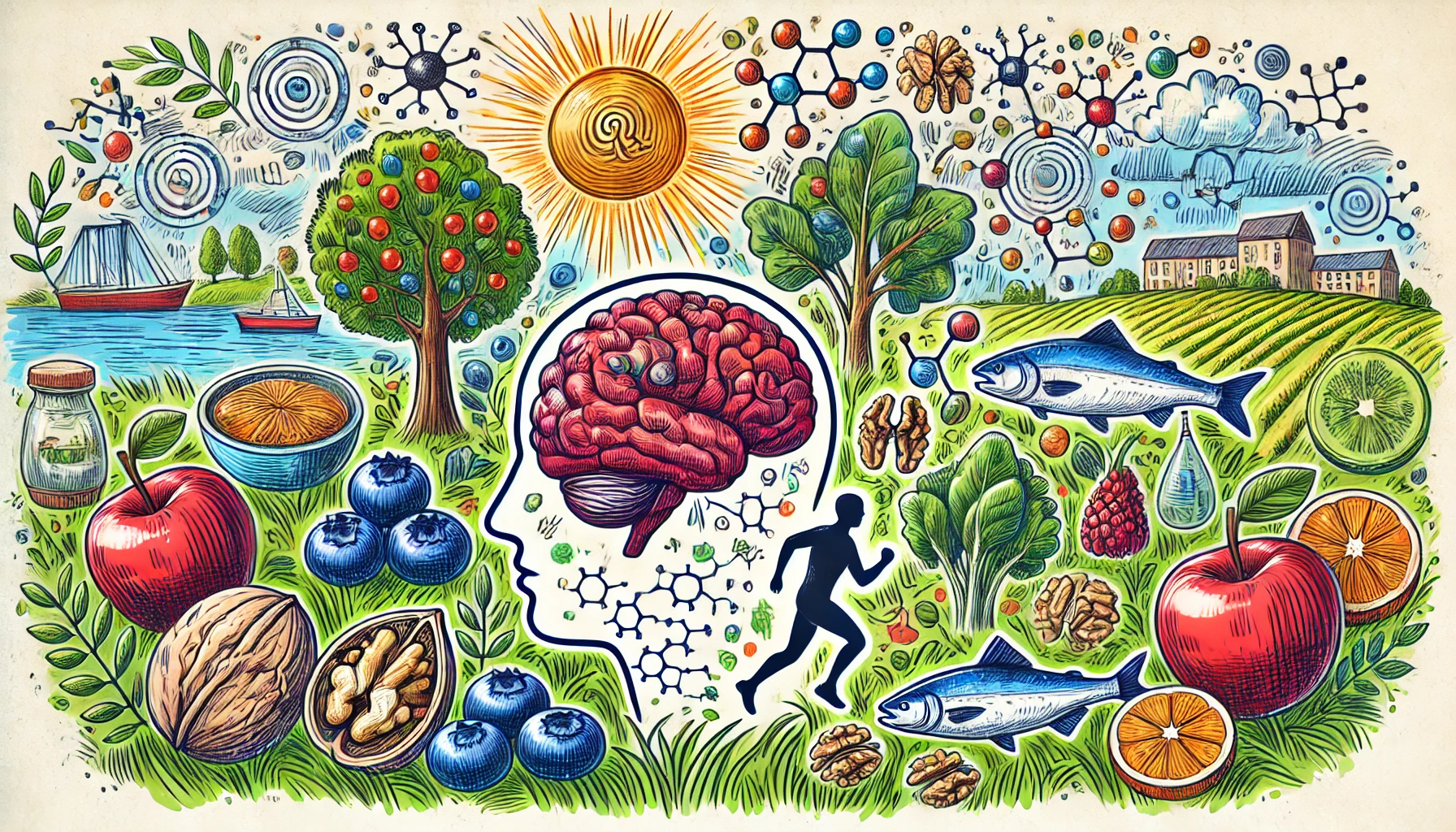
Maintaining optimal brain health is essential for cognitive function, memory, and overall mental well-being. A nutrient-rich diet can play a significant role in supporting brain health and reducing the risk of neurodegenerative diseases. Superfoods, known for their high concentrations of essential nutrients, antioxidants, and healthy fats, can provide the brain with the necessary components for optimal performance. In this blog post, we will explore the best superfoods for brain health and provide practical tips on how to incorporate them into your daily diet.
Cognitive decline is a common concern as we age, but research has shown that certain foods can help protect the brain and even improve cognitive functions. By understanding which superfoods are particularly beneficial for the brain, you can make informed dietary choices that support mental clarity, memory, and overall brain function. Let’s dive into the top superfoods for brain health and discover how to include them in your meals for a sharper mind and better mental health.
1. Blueberries
- Antioxidant Powerhouse: Blueberries are rich in antioxidants, particularly anthocyanins, which help protect the brain from oxidative stress and inflammation.
- Improves Memory: Studies have shown that regular consumption of blueberries can improve memory and cognitive function.
- Anti-Inflammatory Properties: The anti-inflammatory effects of blueberries help reduce the risk of neurodegenerative diseases.
- Supports Brain Plasticity: Blueberries support neuroplasticity, the brain’s ability to form new connections and improve learning and memory.
- Incorporation Ideas: Add blueberries to smoothies, yogurt, oatmeal, or enjoy them as a healthy snack.
2. Fatty Fish
- Rich in Omega-3 Fatty Acids: Fatty fish such as salmon, mackerel, and sardines are excellent sources of omega-3 fatty acids, crucial for brain health.
- Supports Cognitive Function: Omega-3s help build cell membranes in the brain and support neuron function, enhancing cognitive abilities.
- Reduces Inflammation: The anti-inflammatory properties of omega-3s help reduce brain inflammation and support overall brain health.
- Improves Mood: Omega-3s are linked to reduced symptoms of depression and improved mood.
- Cooking Tips: Grill, bake, or poach fatty fish and serve it with vegetables or incorporate it into salads and grain bowls.
3. Turmeric
- Contains Curcumin: The active compound in turmeric, curcumin, has potent anti-inflammatory and antioxidant properties.
- Boosts Brain-Derived Neurotrophic Factor (BDNF): Curcumin increases levels of BDNF, a growth hormone that supports neuron survival and growth.
- Improves Memory: Curcumin has been shown to enhance memory and reduce the risk of Alzheimer’s disease.
- Enhances Mood: Turmeric can help boost serotonin and dopamine levels, improving mood and reducing symptoms of depression.
- Usage Ideas: Add turmeric to curries, soups, smoothies, or make a turmeric latte.
4. Walnuts
- High in Antioxidants: Walnuts are rich in antioxidants that help protect the brain from oxidative damage.
- Omega-3 Fatty Acids: They are a good plant-based source of omega-3 fatty acids, supporting brain health.
- Supports Memory and Learning: Regular consumption of walnuts has been linked to improved memory and cognitive function.
- Reduces Inflammation: The anti-inflammatory properties of walnuts help protect the brain from chronic inflammation.
- Snack Ideas: Enjoy walnuts as a snack, add them to salads, or use them in baking.
5. Dark Chocolate
- Rich in Flavonoids: Dark chocolate contains flavonoids, which have antioxidant and anti-inflammatory properties that support brain health.
- Improves Cognitive Function: Regular consumption of dark chocolate has been linked to improved cognitive function and memory.
- Enhances Mood: The compounds in dark chocolate can boost endorphin and serotonin levels, improving mood and reducing stress.
- Protects Brain Cells: The antioxidants in dark chocolate help protect brain cells from damage.
- Incorporation Tips: Enjoy a small piece of dark chocolate as a treat, add it to smoothies, or use it in baking.
6. Leafy Greens
- Rich in Vitamins and Minerals: Leafy greens such as spinach, kale, and Swiss chard are high in vitamins A, C, and K, as well as folate, iron, and calcium.
- Supports Cognitive Health: The nutrients in leafy greens support cognitive health and reduce the risk of cognitive decline.
- Antioxidant Properties: Leafy greens contain antioxidants that protect the brain from oxidative stress and inflammation.
- Improves Brain Function: Regular consumption of leafy greens has been linked to improved brain function and memory.
- Usage Ideas: Add leafy greens to salads, smoothies, soups, or use them as a cooked side dish.
7. Pumpkin Seeds
- Rich in Magnesium: Pumpkin seeds are an excellent source of magnesium, which is essential for nerve function and brain health.
- High in Antioxidants: They contain antioxidants that protect the brain from oxidative damage.
- Provides Zinc: Zinc is crucial for nerve signaling, and pumpkin seeds are one of the best sources of this mineral.
- Supports Mood: Pumpkin seeds can help reduce symptoms of anxiety and depression due to their magnesium content.
- Snack Ideas: Enjoy pumpkin seeds as a snack, add them to salads, or use them in baking.
8. Oranges
- High in Vitamin C: Oranges are rich in vitamin C, which is essential for preventing cognitive decline and supporting brain health.
- Antioxidant Properties: Vitamin C is a powerful antioxidant that helps protect the brain from oxidative stress.
- Supports Neurotransmitter Function: Vitamin C is involved in the synthesis of neurotransmitters, which are crucial for brain function.
- Improves Immunity: A strong immune system supports overall health, including brain health.
- Incorporation Ideas: Enjoy oranges as a snack, add them to salads, or drink fresh orange juice.
9. Green Tea
- Rich in Antioxidants: Green tea contains catechins, which have antioxidant and anti-inflammatory properties that support brain health.
- Improves Cognitive Function: Regular consumption of green tea has been linked to improved cognitive function and memory.
- Boosts Brain Function: The caffeine and L-theanine in green tea work together to enhance brain function and improve focus.
- Protects Brain Cells: The antioxidants in green tea help protect brain cells from damage and reduce the risk of neurodegenerative diseases.
- Daily Routine: Enjoy green tea as a hot beverage, iced tea, or incorporate it into smoothies.
10. Eggs
- Rich in Choline: Eggs are one of the best sources of choline, a nutrient essential for brain health and the production of acetylcholine, a neurotransmitter involved in memory.
- High-Quality Protein: They provide high-quality protein, which supports overall brain function and health.
- Vitamin B12: Eggs contain vitamin B12, which is crucial for nerve function and brain health.
- Improves Memory: Regular consumption of eggs has been linked to improved memory and cognitive function.
- Usage Ideas: Enjoy eggs boiled, scrambled, poached, or use them in salads and sandwiches.
Incorporating these superfoods into your diet can significantly enhance your brain health by providing essential nutrients, antioxidants, and healthy fats. By making thoughtful choices and including these nutrient-dense foods in your daily meals, you can support cognitive function, improve memory, and protect your brain from oxidative stress and inflammation. Embrace these superfoods and experience the positive impact they can have on your mental clarity and overall well-being.