
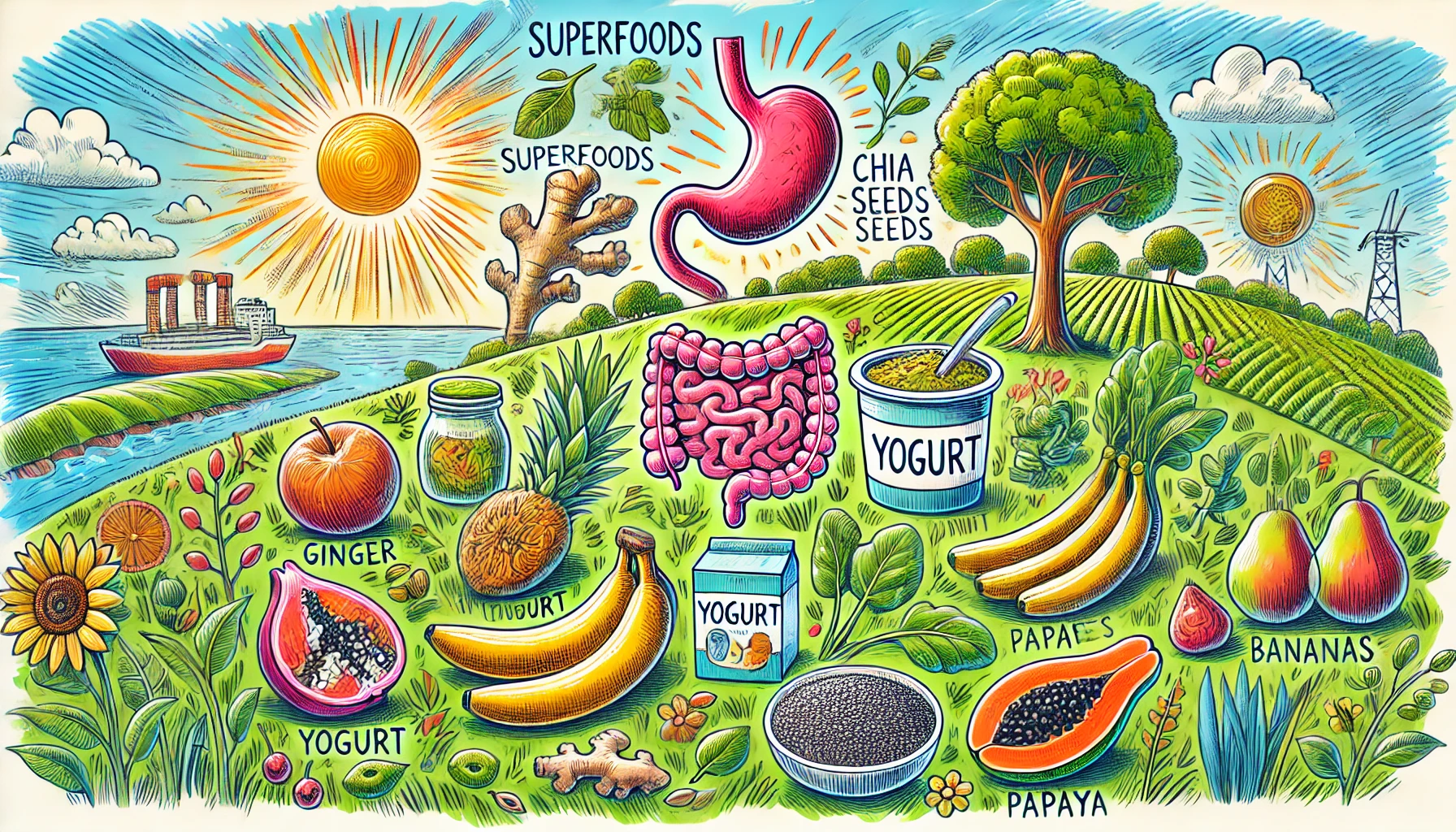
A healthy digestive system is fundamental to overall well-being, as it ensures that nutrients from food are properly absorbed and waste is efficiently eliminated. Superfoods, renowned for their high nutrient density, can play a pivotal role in improving digestive health. These foods are rich in fiber, probiotics, and essential nutrients that support gut health, enhance digestion, and alleviate digestive issues. In this blog post, we will explore the top superfoods for improved digestion and provide detailed guidance on how to incorporate them into your daily diet for optimal digestive health.
Digestive issues such as bloating, constipation, and indigestion are common, but they can often be alleviated or prevented through dietary choices. Superfoods offer a natural and effective way to support and enhance digestive function. By understanding the specific benefits of these superfoods and how they contribute to digestive health, you can make informed choices that promote a healthy gut and overall vitality. Let’s delve into the world of superfoods that are particularly beneficial for digestion and learn how to integrate them into your meals.
1. Chia Seeds
- High in Fiber: Chia seeds are packed with soluble fiber, which absorbs water and forms a gel-like substance in the digestive tract, promoting regular bowel movements and preventing constipation.
- Rich in Omega-3 Fatty Acids: These essential fats help reduce inflammation in the gut and support overall digestive health.
- Probiotic Support: The fiber in chia seeds acts as a prebiotic, feeding the beneficial bacteria in your gut.
- Hydration: Chia seeds can absorb up to 12 times their weight in water, helping to keep you hydrated and aiding in smooth digestion.
- Incorporation Ideas: Add chia seeds to smoothies, yogurt, oatmeal, or make chia pudding by soaking them in almond milk overnight.
2. Yogurt
- Probiotic-Rich: Yogurt contains live cultures of beneficial bacteria that support gut health and improve digestion.
- Protein Source: The protein in yogurt helps to repair the lining of the gut and support overall digestive function.
- Lactose Digestion: The probiotics in yogurt can help break down lactose, making it easier to digest for those with lactose intolerance.
- Nutrient Dense: Yogurt is also a good source of calcium, which is important for maintaining the health of the digestive tract.
- Daily Use: Enjoy yogurt with fresh fruit, honey, or granola, or use it as a base for smoothies and salad dressings.
3. Ginger
- Digestive Aid: Ginger is known for its ability to stimulate digestive enzymes, improve bile production, and speed up the movement of food through the digestive tract.
- Anti-Inflammatory: It has strong anti-inflammatory properties that help reduce gut inflammation and alleviate symptoms of gastrointestinal distress.
- Nausea Relief: Ginger is effective in reducing nausea and vomiting, making it a great remedy for digestive upset.
- Antioxidants: The antioxidants in ginger help protect the digestive tract from oxidative stress and damage.
- Usage Tips: Add fresh ginger to teas, smoothies, and stir-fries, or use it to make a soothing ginger tea.
4. Sauerkraut
- Probiotic-Rich: Sauerkraut is fermented cabbage rich in probiotics, which support a healthy gut microbiome and improve digestion.
- Fiber Content: The fiber in sauerkraut promotes regular bowel movements and helps prevent constipation.
- Digestive Enzymes: Fermentation enhances the production of digestive enzymes, which aid in the breakdown of food.
- Nutrient Boost: Sauerkraut is also high in vitamins C and K, which support overall health and immunity.
- Incorporation Ideas: Add sauerkraut to salads, sandwiches, or enjoy it as a side dish with meals.
5. Apples
- High in Pectin: Apples are rich in pectin, a type of soluble fiber that helps regulate bowel movements and feed beneficial gut bacteria.
- Hydration: The high water content in apples helps keep the digestive system hydrated and functioning smoothly.
- Digestive Health: Apples can help alleviate both constipation and diarrhea, balancing the digestive system.
- Antioxidants: The antioxidants in apples protect the digestive tract from damage and support overall health.
- Snack Ideas: Eat apples whole, sliced with nut butter, or add them to salads and smoothies.
6. Kefir
- Probiotic Powerhouse: Kefir is a fermented milk drink packed with a variety of beneficial bacteria and yeast that support gut health.
- Lactose Digestion: The fermentation process reduces the lactose content, making kefir easier to digest for those with lactose intolerance.
- Immune Support: The probiotics in kefir help boost the immune system by maintaining a healthy balance of gut bacteria.
- Nutrient-Rich: Kefir is also a good source of calcium, protein, and B vitamins.
- Daily Use: Drink kefir on its own, add it to smoothies, or use it as a base for creamy salad dressings.
7. Oats
- High in Soluble Fiber: Oats are rich in beta-glucan, a soluble fiber that helps regulate bowel movements and support gut health.
- Prebiotic Properties: The fiber in oats acts as a prebiotic, feeding beneficial gut bacteria.
- Digestive Health: Oats can help reduce symptoms of constipation and support regular digestion.
- Nutrient Density: They are also a good source of vitamins, minerals, and antioxidants.
- Breakfast Ideas: Enjoy oats as oatmeal, in smoothies, or use them to make homemade granola and energy bars.
8. Fennel
- Digestive Aid: Fennel seeds and bulbs are known for their ability to reduce bloating, gas, and cramping by relaxing the muscles in the digestive tract.
- Fiber Content: Fennel is high in fiber, which supports regular bowel movements and overall gut health.
- Antimicrobial: It has natural antimicrobial properties that help maintain a healthy balance of gut bacteria.
- Antioxidants: Fennel contains antioxidants that protect the digestive system from oxidative stress.
- Usage Tips: Add fennel to salads, soups, and roasted vegetable dishes, or use fennel seeds to make tea.
9. Papaya
- Digestive Enzymes: Papaya contains papain, an enzyme that aids in the digestion of proteins and helps reduce bloating and constipation.
- High Water Content: The water content in papaya helps keep the digestive system hydrated and functioning smoothly.
- Fiber-Rich: Papaya is also a good source of dietary fiber, which supports regular bowel movements.
- Anti-Inflammatory: The anti-inflammatory properties of papaya can help soothe the digestive tract.
- Snack Ideas: Enjoy fresh papaya on its own, add it to smoothies, or use it in fruit salads and salsas.
10. Leafy Greens
- High in Fiber: Leafy greens such as spinach, kale, and Swiss chard are rich in fiber, which supports regular bowel movements and overall digestive health.
- Nutrient Density: These greens are packed with vitamins, minerals, and antioxidants that support overall health.
- Hydration: The high water content in leafy greens helps keep the digestive system hydrated.
- Alkalizing Effect: Leafy greens help balance the body’s pH levels, promoting a healthy digestive environment.
- Incorporation Tips: Add leafy greens to smoothies, salads, soups, or use them as a base for grain bowls.
Incorporating these superfoods into your diet can significantly improve your digestive health by providing essential nutrients, promoting a healthy gut microbiome, and supporting regular bowel movements. By making small, manageable changes to your daily meals and snacks, you can enjoy the benefits of these nutrient-dense foods and enhance your overall well-being. Remember, a balanced diet rich in fiber, probiotics, and hydration is key to maintaining optimal digestive health. Embrace these superfoods and experience the difference they can make in your digestive wellness.