
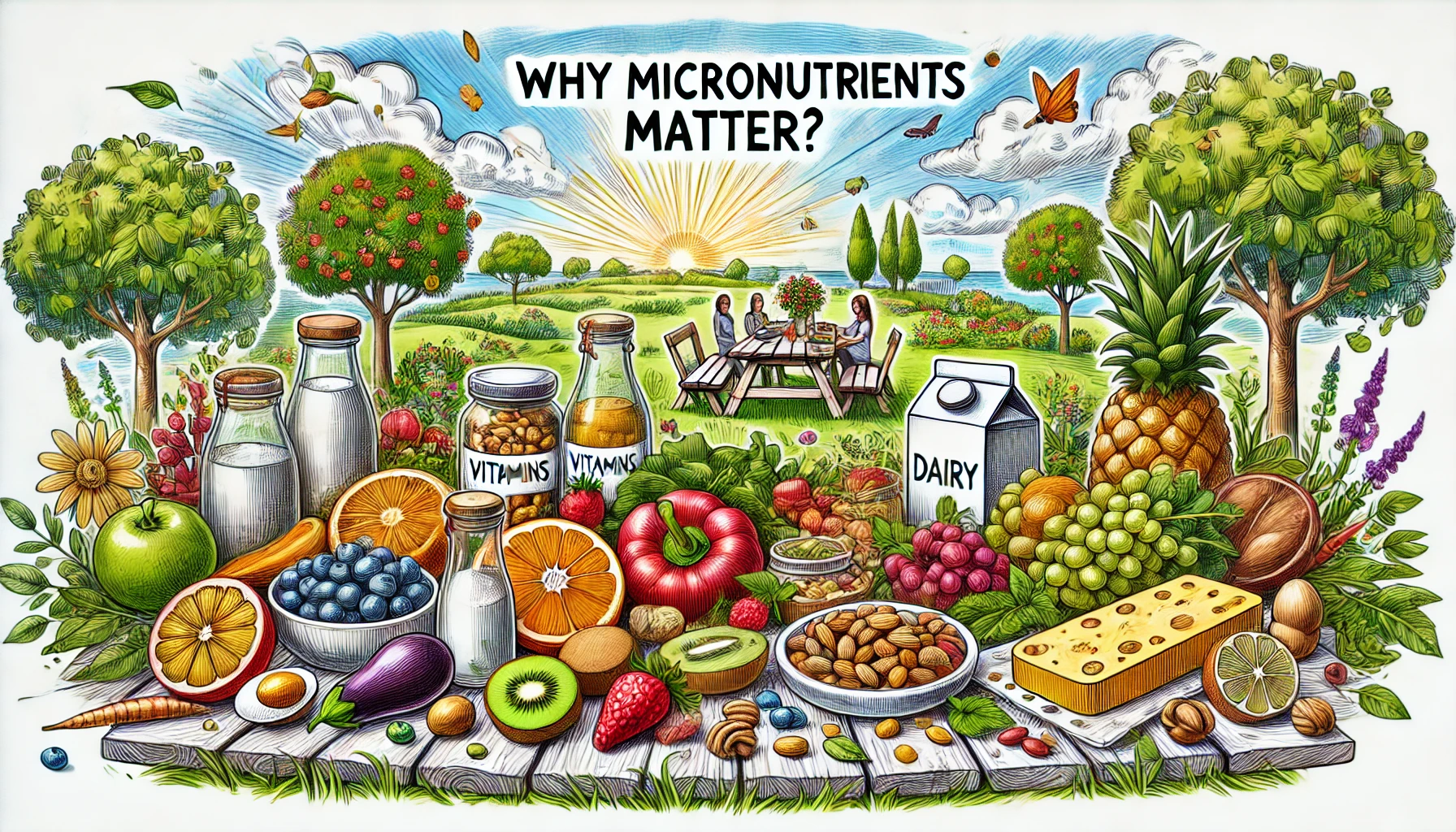
Micronutrients, including vitamins and minerals, are essential components of a balanced diet that play crucial roles in maintaining overall health and well-being. Unlike macronutrients such as carbohydrates, proteins, and fats, micronutrients are needed in much smaller amounts. However, their impact on bodily functions and health is substantial. This comprehensive guide explains why micronutrients matter, the roles of key vitamins and minerals, their sources, and practical tips for ensuring adequate intake.
Introduction
In the quest for optimal health, the importance of micronutrients cannot be overstated. These small but mighty nutrients are vital for numerous physiological processes, including energy production, immune function, bone health, and cognitive function. Despite their critical roles, many people are unaware of the specific benefits of each vitamin and mineral and how to incorporate them into their diets. Understanding the significance of micronutrients and making conscious food choices can lead to better health outcomes and a higher quality of life.
Micronutrients consist of vitamins and minerals, each with distinct functions and benefits. Vitamins are organic compounds that can be water-soluble or fat-soluble, while minerals are inorganic elements. Both types of micronutrients must be obtained from the diet, as the body cannot produce them in sufficient quantities.
The Role of Vitamins
- Vitamin A
- Function: Supports vision, immune function, and skin health.
- Sources: Carrots, sweet potatoes, spinach, liver, and dairy products.
- Benefits: Enhances night vision, boosts immunity, and promotes healthy skin.
- Vitamin B1 (Thiamine)
- Function: Aids in energy metabolism and nerve function.
- Sources: Whole grains, pork, legumes, and nuts.
- Benefits: Prevents beriberi, supports energy production, and maintains nerve health.
- Vitamin B2 (Riboflavin)
- Function: Involved in energy production and skin health.
- Sources: Dairy products, eggs, leafy greens, and meat.
- Benefits: Prevents ariboflavinosis, promotes healthy skin, and supports metabolism.
- Vitamin B3 (Niacin)
- Function: Supports digestive health, skin health, and nerve function.
- Sources: Meat, fish, poultry, and whole grains.
- Benefits: Prevents pellagra, improves skin health, and supports energy production.
- Vitamin B6 (Pyridoxine)
- Function: Involved in protein metabolism and cognitive development.
- Sources: Poultry, fish, potatoes, and bananas.
- Benefits: Reduces the risk of heart disease, supports brain health, and aids in amino acid metabolism.
- Vitamin B7 (Biotin)
- Function: Essential for metabolism of fats, carbohydrates, and proteins.
- Sources: Eggs, nuts, seeds, and liver.
- Benefits: Promotes healthy hair and nails, supports metabolism, and maintains skin health.
- Vitamin B9 (Folate)
- Function: Crucial for DNA synthesis and cell division.
- Sources: Leafy greens, legumes, fortified grains, and citrus fruits.
- Benefits: Prevents neural tube defects in pregnancy, supports cell growth, and reduces the risk of anemia.
- Vitamin B12 (Cobalamin)
- Function: Important for nerve function and red blood cell production.
- Sources: Meat, dairy, eggs, and fortified plant-based milks.
- Benefits: Prevents megaloblastic anemia, supports nervous system health, and aids in DNA synthesis.
- Vitamin C
- Function: Necessary for collagen production, immune function, and antioxidant protection.
- Sources: Citrus fruits, berries, bell peppers, and broccoli.
- Benefits: Enhances immune response, promotes healthy skin, and acts as an antioxidant.
- Vitamin D
- Function: Supports calcium absorption and bone health.
- Sources: Sunlight exposure, fatty fish, fortified dairy products, and egg yolks.
- Benefits: Prevents rickets and osteoporosis, supports immune function, and promotes bone health.
- Vitamin E
- Function: Acts as an antioxidant and supports immune function.
- Sources: Nuts, seeds, vegetable oils, and leafy greens.
- Benefits: Protects cells from oxidative damage, supports skin health, and enhances immune response.
- Vitamin K
- Function: Essential for blood clotting and bone health.
- Sources: Leafy greens, broccoli, Brussels sprouts, and fermented foods.
- Benefits: Prevents excessive bleeding, supports bone mineralization, and regulates blood clotting.
The Role of Minerals
- Calcium
- Function: Crucial for bone health and muscle function.
- Sources: Dairy products, leafy greens, fortified plant milks, and almonds.
- Benefits: Prevents osteoporosis, supports muscle contraction, and promotes dental health.
- Iron
- Function: Essential for oxygen transport and energy production.
- Sources: Red meat, beans, lentils, spinach, and fortified cereals.
- Benefits: Prevents anemia, supports immune function, and enhances energy levels.
- Magnesium
- Function: Supports muscle and nerve function, blood sugar control, and bone health.
- Sources: Nuts, seeds, whole grains, and leafy greens.
- Benefits: Reduces the risk of hypertension, supports muscle function, and aids in energy production.
- Potassium
- Function: Regulates fluid balance, muscle contractions, and nerve signals.
- Sources: Bananas, potatoes, legumes, and avocados.
- Benefits: Lowers blood pressure, reduces the risk of stroke, and supports heart health.
- Zinc
- Function: Supports immune function, wound healing, and protein synthesis.
- Sources: Meat, shellfish, legumes, and nuts.
- Benefits: Enhances immune response, promotes wound healing, and supports growth and development.
- Selenium
- Function: Acts as an antioxidant and supports thyroid function.
- Sources: Brazil nuts, seafood, eggs, and whole grains.
- Benefits: Protects cells from damage, supports thyroid health, and boosts immunity.
- Phosphorus
- Function: Essential for bone health and energy production.
- Sources: Dairy, meat, fish, and whole grains.
- Benefits: Supports bone mineralization, aids in energy production, and maintains cell structure.
- Iodine
- Function: Necessary for thyroid hormone production.
- Sources: Iodized salt, seafood, dairy products, and eggs.
- Benefits: Prevents goiter, supports metabolic rate, and promotes growth and development.
Ensuring Adequate Intake of Micronutrients
- Diverse Diet: Eat a wide variety of foods to cover all nutrient bases. Include fruits, vegetables, whole grains, lean proteins, and healthy fats.
- Fortified Foods: Choose fortified foods to help meet nutrient needs, especially for vitamins D, B12, and folate.
- Supplementation: Consider supplements if you have specific dietary restrictions or health conditions that affect nutrient absorption. Consult a healthcare provider before starting any supplement regimen.
- Cooking Methods: Use cooking methods that preserve nutrients, such as steaming or sautéing. Avoid overcooking vegetables to retain their vitamin content.
- Label Reading: Read nutrition labels to understand the micronutrient content of packaged foods and make informed choices.
Common Micronutrient Deficiencies
- Iron Deficiency: Can lead to anemia, characterized by fatigue, weakness, and pale skin. Common in women, children, and vegetarians.
- Vitamin D Deficiency: May cause bone pain and muscle weakness. Common in individuals with limited sun exposure.
- Vitamin B12 Deficiency: Can result in neurological issues and anemia. Common in older adults and vegetarians.
- Calcium Deficiency: Leads to weakened bones and increased risk of fractures. Common in individuals who avoid dairy products.
- Magnesium Deficiency: Can cause muscle cramps, mental disorders, and fatigue. Common in people with gastrointestinal diseases or alcoholism.
Practical Tips for a Micronutrient-Rich Diet
- Colorful Plates: Aim for a colorful plate with a variety of fruits and vegetables to ensure a range of vitamins and minerals.
- Whole Foods: Focus on whole foods rather than processed foods, which can be low in essential nutrients.
- Regular Meals: Maintain a regular eating schedule with balanced meals to ensure consistent nutrient intake.
- Mindful Eating: Pay attention to portion sizes and avoid over-reliance on supplements. Balance is key.
- Hydration: Stay hydrated with water and other nutrient-rich beverages like herbal teas and smoothies.
Conclusion
Micronutrients are vital for maintaining health and preventing disease. By understanding the roles of vitamins and minerals, their sources, and how to incorporate them into your diet, you can ensure you get the necessary nutrients for optimal health. Focus on a diverse, balanced diet rich in fruits, vegetables, whole grains, lean proteins, and healthy fats to meet your micronutrient needs and enjoy a higher quality of life.