
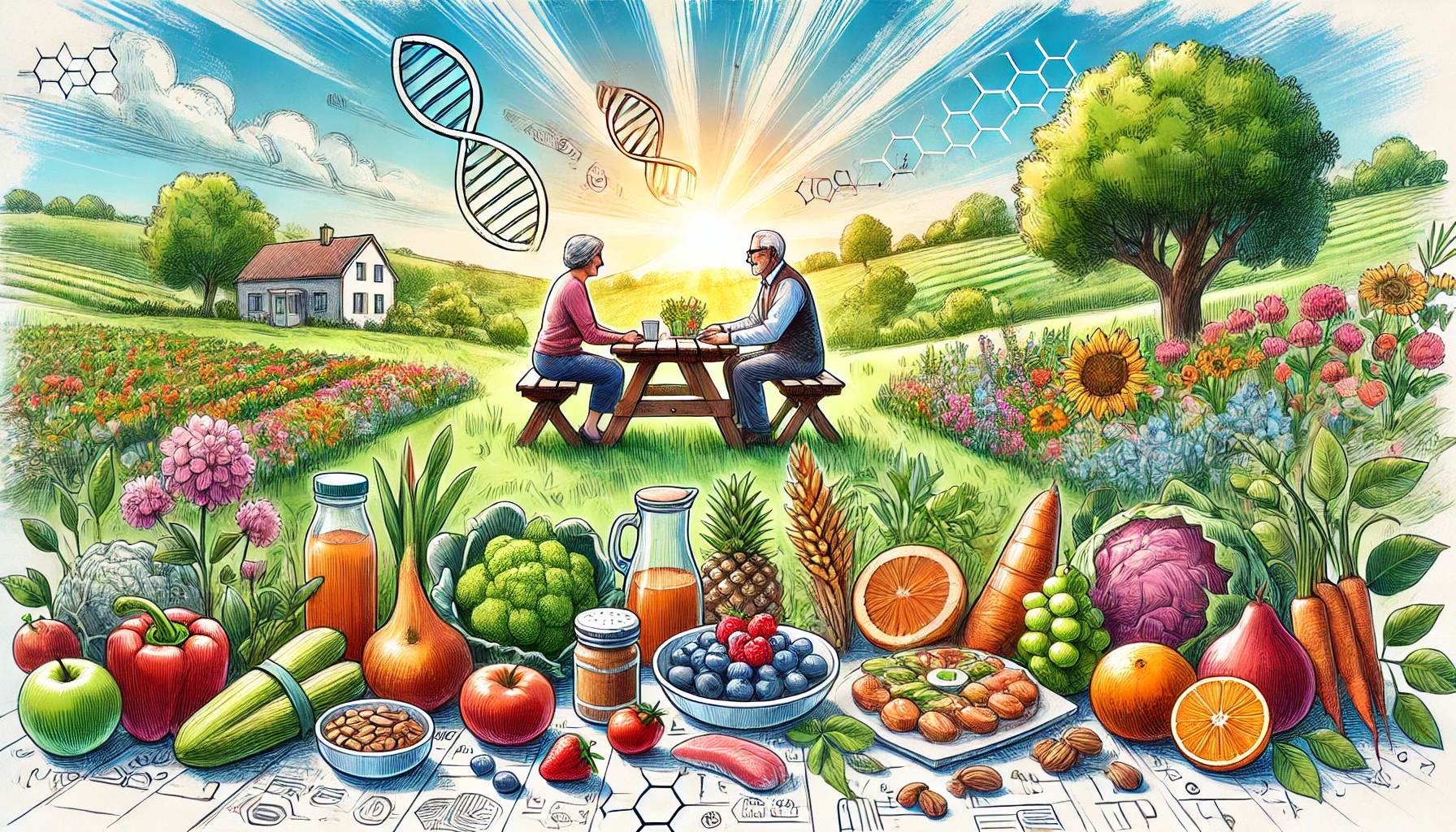
A balanced diet is integral to maintaining good health and promoting longevity. Extensive research shows that the foods we consume can significantly impact our lifespan and quality of life. By providing essential nutrients, supporting bodily functions, and preventing chronic diseases, a balanced diet lays the foundation for a long, healthy life. This guide explores the scientific principles behind balanced diets and their role in promoting longevity.
A balanced diet encompasses a variety of foods from different food groups, ensuring the intake of all necessary macronutrients (carbohydrates, proteins, fats) and micronutrients (vitamins, minerals). Understanding the science behind these nutritional principles can help individuals make informed dietary choices that contribute to longevity.
1. Essential Nutrients and Their Roles
- Carbohydrates: Provide energy for daily activities and brain function. Complex carbohydrates, such as whole grains, legumes, and vegetables, are particularly beneficial due to their fiber content.
- Proteins: Essential for tissue repair, muscle building, and immune function. Sources include lean meats, fish, beans, and nuts.
- Fats: Support cell structure, hormone production, and absorption of fat-soluble vitamins. Healthy fats come from avocados, nuts, seeds, and olive oil.
- Vitamins and Minerals: Each vitamin and mineral plays a specific role in bodily functions, from bone health (calcium) to immune support (vitamin C) and energy production (B vitamins).
- Antioxidants: Found in fruits and vegetables, antioxidants protect cells from damage caused by free radicals, which can lead to chronic diseases and aging.
2. The Role of Caloric Intake and Metabolism
- Caloric Balance: Maintaining a caloric balance—consuming as many calories as you burn—helps prevent obesity, a risk factor for many chronic diseases.
- Caloric Restriction: Some studies suggest that moderate caloric restriction without malnutrition can extend lifespan by reducing metabolic rate and oxidative damage.
- Metabolic Health: A diet that supports metabolic health includes balanced macronutrients, regular meal timing, and portion control, promoting stable blood sugar levels and preventing insulin resistance.
3. Impact on Chronic Diseases
- Cardiovascular Health: A diet rich in fruits, vegetables, whole grains, and healthy fats can reduce the risk of heart disease by lowering blood pressure, cholesterol levels, and inflammation.
- Diabetes Prevention: Balanced diets with low glycemic index foods help manage blood sugar levels and reduce the risk of type 2 diabetes.
- Cancer Risk: Diets high in antioxidants, fiber, and healthy fats can lower the risk of certain cancers by protecting cells from damage and promoting healthy cell function.
- Inflammation Reduction: Chronic inflammation is linked to many age-related diseases. Anti-inflammatory foods, such as leafy greens, berries, and fatty fish, can help reduce inflammation.
4. Gut Health and Longevity
- Microbiome Balance: A diverse and balanced diet supports a healthy gut microbiome, which plays a crucial role in digestion, immunity, and overall health.
- Prebiotics and Probiotics: Prebiotic foods (e.g., garlic, onions, bananas) feed beneficial gut bacteria, while probiotics (e.g., yogurt, fermented foods) introduce more good bacteria into the gut.
- Fiber Intake: Adequate fiber from fruits, vegetables, and whole grains promotes regular bowel movements and a healthy digestive system, reducing the risk of gastrointestinal diseases.
5. Cognitive Function and Mental Health
- Brain Health: Nutrients such as omega-3 fatty acids, antioxidants, and B vitamins support brain health and cognitive function.
- Neuroprotection: Diets rich in fruits, vegetables, and healthy fats protect against neurodegenerative diseases like Alzheimer’s and Parkinson’s.
- Mood Regulation: Balanced diets contribute to mental well-being by providing nutrients that regulate neurotransmitters, reducing the risk of depression and anxiety.
6. Bone Health and Muscle Maintenance
- Calcium and Vitamin D: Essential for bone health, reducing the risk of osteoporosis and fractures in older age.
- Protein: Supports muscle maintenance and repair, crucial for mobility and independence in later years.
- Magnesium and Potassium: Important for muscle function and bone health, found in leafy greens, nuts, seeds, and bananas.
7. Hydration and Longevity
- Water: Essential for all bodily functions, including digestion, circulation, and temperature regulation.
- Hydrating Foods: Foods with high water content, such as cucumbers, watermelon, and oranges, contribute to overall hydration.
- Electrolyte Balance: Maintaining electrolyte balance through adequate intake of minerals like sodium, potassium, and magnesium supports hydration and bodily functions.
8. The Mediterranean Diet: A Model for Longevity
- Diet Composition: Emphasizes fruits, vegetables, whole grains, nuts, seeds, olive oil, and lean proteins, particularly fish.
- Health Benefits: Associated with reduced risks of heart disease, cancer, diabetes, and cognitive decline.
- Lifestyle Integration: Includes physical activity, social eating, and enjoying meals, contributing to overall well-being and longevity.
9. Practical Tips for Transitioning to a Balanced Diet
- Gradual Changes: Slowly incorporate more whole foods and reduce processed foods.
- Meal Planning: Plan meals to include a variety of food groups and ensure nutrient balance.
- Cooking at Home: Prepare meals at home to control ingredients and portion sizes.
- Mindful Eating: Practice mindful eating by savoring each bite and paying attention to hunger and fullness cues.
- Educate Yourself: Learn about the nutritional value of different foods and make informed choices.
10. Long-term Commitment to Healthy Eating
- Consistency Over Perfection: Aim for consistent healthy eating habits rather than perfection.
- Flexibility: Allow flexibility for occasional indulgences to maintain a balanced approach.
- Support System: Engage family and friends in your healthy eating journey for support and accountability.
- Regular Check-ups: Monitor your health through regular medical check-ups and adjust your diet as needed.
In conclusion, a balanced diet plays a crucial role in promoting longevity by providing essential nutrients, supporting bodily functions, and reducing the risk of chronic diseases. By understanding the science behind balanced diets and making informed dietary choices, individuals can enhance their health and enjoy a longer, more fulfilling life.