
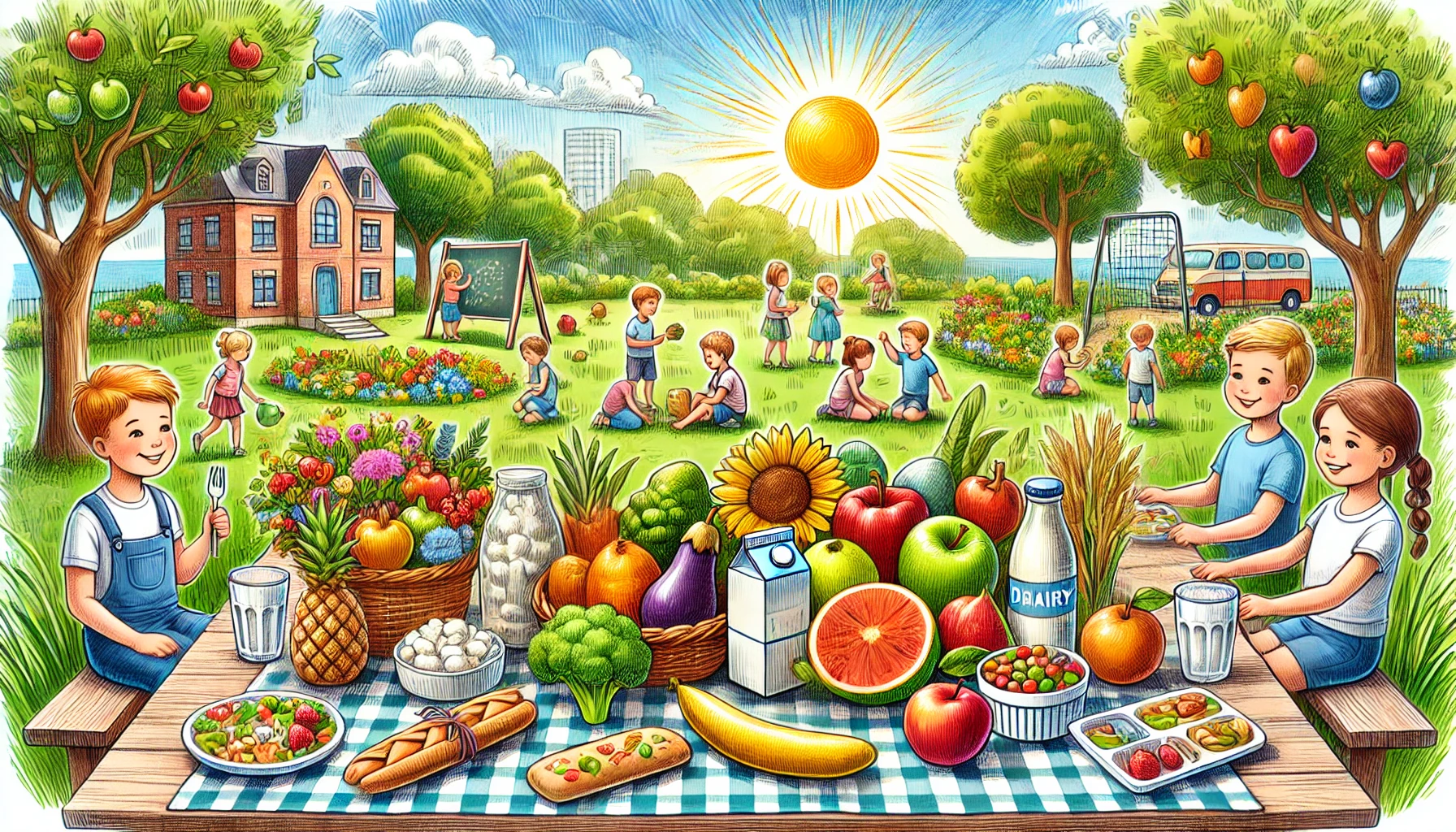
Ensuring that children receive a balanced diet is crucial for their growth, development, and overall health. A balanced diet provides the essential nutrients needed for physical and cognitive development, supports a strong immune system, and helps establish healthy eating habits that can last a lifetime. As children grow, their nutritional needs change, making it essential to provide a variety of foods from all the major food groups. This guide outlines the key components of a balanced diet for kids and offers practical tips to ensure they receive proper nutrition.
A balanced diet for kids includes a mix of carbohydrates, proteins, fats, vitamins, and minerals. By incorporating a variety of foods from each food group, parents and caregivers can ensure their children get the nutrients they need. The following tips will help you create a nutritious and balanced diet for your children.
1. Importance of a Balanced Diet for Kids
- Growth and Development: Essential nutrients support physical growth, brain development, and overall health.
- Energy Levels: A balanced diet provides the energy needed for daily activities and learning.
- Immune System Support: Nutrient-rich foods help strengthen the immune system, protecting against illnesses.
- Healthy Habits: Establishing healthy eating patterns early in life can lead to lifelong healthy habits.
- Cognitive Function: Proper nutrition enhances cognitive development and academic performance.
2. Include a Variety of Fruits and Vegetables
- Daily Servings: Aim for at least 5 servings of fruits and vegetables per day to provide essential vitamins, minerals, and fiber.
- Colorful Choices: Include a variety of colors to ensure a range of nutrients. For example, carrots (orange), spinach (green), blueberries (blue), and bell peppers (red).
- Raw and Cooked: Offer both raw and cooked options to expose children to different textures and tastes.
- Incorporate in Meals: Add fruits to breakfast cereals, yogurt, and smoothies. Include vegetables in soups, stews, salads, and as side dishes.
- Snacking: Encourage fruits and vegetables as snacks, such as apple slices with peanut butter or carrot sticks with hummus.
3. Provide Whole Grains
- Whole Grain Choices: Choose whole grain bread, pasta, rice, and cereals over refined grains to ensure higher fiber and nutrient content.
- Breakfast Options: Offer whole grain cereals or oatmeal topped with fruit for a nutritious breakfast.
- Lunch and Dinner: Include whole grains like brown rice, quinoa, and whole wheat pasta in main meals.
- Baking: Use whole grain flours in baking to boost the nutritional value of homemade treats.
- Variety: Rotate different whole grains to keep meals interesting and varied.
4. Ensure Adequate Protein Intake
- Lean Meats: Include lean meats like chicken, turkey, and fish to provide high-quality protein.
- Plant-Based Proteins: Offer beans, lentils, chickpeas, tofu, and tempeh as protein-rich alternatives to meat.
- Eggs: Eggs are versatile and nutrient-dense, making them an excellent protein source for breakfast, lunch, or dinner.
- Dairy Products: Include low-fat dairy products like milk, yogurt, and cheese for additional protein and calcium.
- Snacks: Provide protein-rich snacks such as Greek yogurt, cheese sticks, or a handful of nuts.
5. Include Healthy Fats
- Sources of Healthy Fats: Avocados, nuts, seeds, and olive oil provide essential fatty acids important for brain development and overall health.
- Cooking with Oils: Use healthy oils like olive oil or avocado oil in cooking instead of butter or margarine.
- Nut Butters: Spread nut butters on whole grain bread or use them as a dip for fruits and vegetables.
- Fish: Include fatty fish like salmon or trout in meals to provide omega-3 fatty acids beneficial for brain health.
- Moderation: Ensure healthy fats are consumed in moderation as part of a balanced diet.
6. Focus on Calcium and Vitamin D
- Dairy Products: Encourage consumption of milk, cheese, and yogurt to provide calcium and support bone health.
- Fortified Foods: Include calcium-fortified foods like plant-based milks, orange juice, and cereals.
- Sun Exposure: Ensure children get enough sunlight to help their bodies produce vitamin D.
- Supplements: Consult a healthcare provider about vitamin D supplements if dietary intake and sun exposure are insufficient.
- Leafy Greens: Include calcium-rich leafy greens like kale and broccoli in meals.
7. Limit Added Sugars and Salt
- Natural Sugars: Opt for natural sugars found in fruits instead of added sugars in sweets and processed foods.
- Read Labels: Check nutrition labels to avoid foods high in added sugars and sodium.
- Homemade Treats: Make homemade versions of treats with less sugar and healthier ingredients.
- Flavor with Herbs: Use herbs and spices to flavor food instead of relying on salt.
- Healthy Snacks: Offer snacks like fresh fruit, vegetables, and whole grain crackers instead of sugary or salty packaged snacks.
8. Stay Hydrated
- Water First: Encourage water as the primary beverage to keep children hydrated without added sugars.
- Limit Sugary Drinks: Reduce consumption of sugary drinks like soda, fruit juices, and sports drinks.
- Hydrating Foods: Include hydrating foods like cucumbers, watermelon, and oranges in their diet.
- Milk: Provide milk with meals to ensure adequate calcium and vitamin D intake.
- Herbal Teas: Offer caffeine-free herbal teas as a flavorful alternative to sugary beverages.
9. Promote Regular Meals and Snacks
- Consistent Schedule: Maintain a regular eating schedule with three balanced meals and two healthy snacks each day.
- Balanced Snacks: Ensure snacks include a mix of carbohydrates, protein, and healthy fats, such as apple slices with cheese or whole grain crackers with hummus.
- Family Meals: Encourage family meals to model healthy eating habits and foster a positive relationship with food.
- Avoid Skipping Meals: Ensure children do not skip meals, which can lead to overeating later and poor nutrient intake.
- Mindful Eating: Teach children to eat mindfully, paying attention to hunger and fullness cues.
10. Involve Kids in Meal Preparation
- Cooking Together: Involve children in cooking to teach them about nutrition and healthy eating habits.
- Meal Planning: Let kids help plan meals and snacks to give them a sense of ownership and excitement about their food.
- Shopping Together: Take children grocery shopping and teach them how to choose healthy foods.
- Gardening: If possible, grow a garden together to learn about fresh produce and encourage them to try new vegetables and fruits.
- Educational Resources: Use books, videos, and other resources to teach children about balanced diets and nutrition.
A balanced diet is vital for children’s growth, development, and overall health. By providing a variety of fruits, vegetables, whole grains, proteins, and healthy fats, you can ensure your child receives the essential nutrients they need. Limiting added sugars and salt, promoting hydration, and maintaining a regular eating schedule are also crucial steps in fostering healthy eating habits. Involving children in meal preparation and making nutrition education fun can further encourage them to make healthy choices. With these strategies, you can help your child develop a strong foundation for a lifetime of healthy eating.