
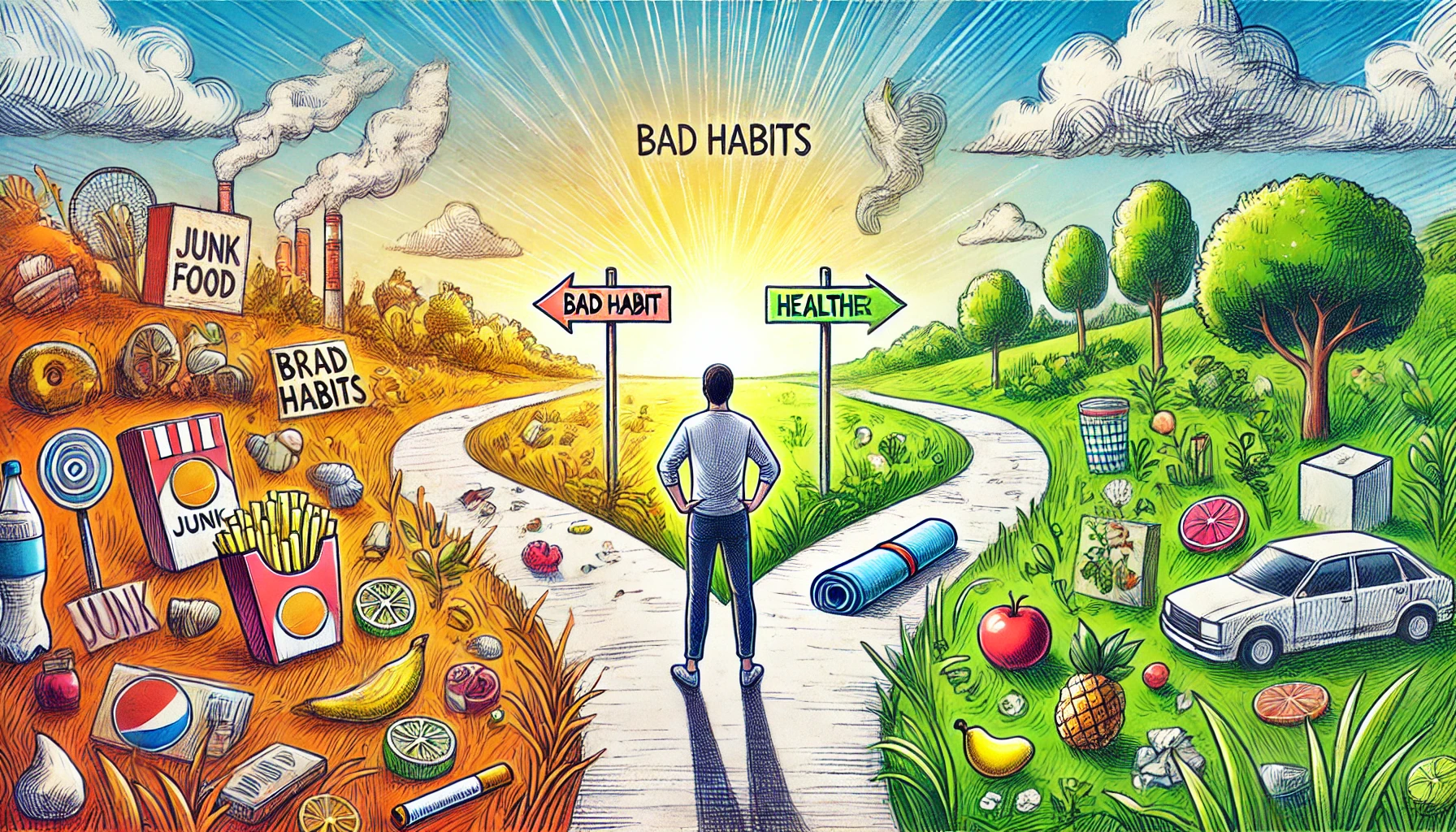
Breaking bad habits can be challenging, but mindfulness offers powerful tools to help you succeed. Mindfulness, the practice of being fully present and aware in the moment, helps you recognize the triggers and patterns of your habits without judgment. This awareness allows you to respond thoughtfully rather than react impulsively, making it easier to change unwanted behaviors.
By integrating mindfulness into your daily routine, you can create new, healthier habits and improve your overall well-being. In this blog, we will explore ten effective mindfulness techniques to help you break bad habits and foster positive change in your life.
1. Identifying Triggers
- Awareness: Begin by identifying the triggers that lead to your bad habit. These could be emotions, situations, or people that prompt the behavior.
- Observation: Observe your reactions to these triggers without judgment. Note when and where the habit occurs and how it makes you feel.
- Patterns: Look for patterns in your behavior to understand the underlying causes of your habit.
- Mindful Journaling: Keep a journal to track your triggers and responses, which can help you identify patterns and develop strategies to address them.
- Reflection: Regularly reflect on your observations to gain deeper insights into your habits and triggers.
2. Mindful Breathing
- Deep Breathing: Practice deep breathing exercises to calm your mind and body when you feel the urge to engage in your bad habit. Inhale deeply through your nose, hold for a few seconds, and exhale slowly through your mouth.
- Breath Awareness: Focus on your breath, noticing the sensation of air entering and leaving your nostrils or the rise and fall of your chest.
- Counting Breaths: Count each breath cycle (inhale and exhale) to maintain focus and stay present.
- Emergency Breathing: Use mindful breathing in moments of high temptation or stress to regain control and avoid succumbing to the habit.
- Regular Practice: Incorporate mindful breathing into your daily routine to build resilience and reduce stress.
3. Urge Surfing
- Ride the Wave: When you feel the urge to engage in your bad habit, visualize it as a wave that you can ride out. Notice the urge, but don’t act on it.
- Non-Judgmental Awareness: Acknowledge the urge without judging yourself for having it. Understand that urges are temporary and will pass.
- Focus on Sensations: Pay attention to the physical sensations associated with the urge, such as tension or restlessness, and observe them with curiosity.
- Breath as Anchor: Use your breath as an anchor to stay present and ride out the urge without giving in.
- Reflect Afterwards: Reflect on the experience once the urge passes, noting how you managed it and what you learned.
4. Mindful Distraction
- Engage in a Positive Activity: Distract yourself from the urge by engaging in a positive activity that you enjoy, such as reading, exercising, or listening to music.
- Creativity: Use creative activities like drawing, painting, or writing to shift your focus away from the habit.
- Mindful Movement: Engage in physical activities like yoga, walking, or stretching to release tension and refocus your mind.
- Breath-Based Distraction: Practice deep breathing exercises to shift your focus away from the urge.
- Gratitude Practice: Reflect on things you are grateful for to create a positive mindset and distract yourself from the habit.
5. Mindful Visualization
- Positive Outcomes: Visualize the positive outcomes of breaking your bad habit, such as improved health, better relationships, or increased self-esteem.
- Future Self: Imagine your future self free from the habit and how you will feel and behave.
- Success Scenarios: Visualize scenarios where you successfully resist the urge and feel proud of your progress.
- Calm Scenes: Use visualization to create a calm mental scene, such as a beach or forest, to reduce stress and distract from the urge.
- Daily Practice: Incorporate mindful visualization into your daily routine to reinforce positive change.
6. Self-Compassion
- Kindness to Yourself: Practice self-compassion by treating yourself with kindness and understanding, especially when you struggle with your habit.
- Positive Affirmations: Use positive affirmations to remind yourself of your worth and capabilities. Examples include, “I am strong,” “I am capable of change,” and “I forgive myself.”
- Mindful Reflection: Reflect on your progress and celebrate small victories, rather than focusing on setbacks.
- Forgiveness: Forgive yourself for past mistakes and view each day as a new opportunity to make positive changes.
- Support System: Reach out to friends or support groups who can provide encouragement and understanding.
7. Mindful Eating and Drinking
- Savoring Food: If your bad habit is related to eating or drinking, practice mindful eating by savoring each bite and paying attention to the taste, texture, and aroma of your food.
- Portion Awareness: Be aware of portion sizes and listen to your body’s hunger and fullness cues.
- Gratitude for Food: Express gratitude for your food and the effort that went into preparing it.
- Healthy Choices: Make mindful choices about what you eat and drink, selecting nutritious options that support your well-being.
- Mindful Snacking: Apply these principles to snacks and beverages to reduce mindless consumption.
8. Grounding Techniques
- 5-4-3-2-1 Technique: Focus on five things you can see, four things you can touch, three things you can hear, two things you can smell, and one thing you can taste. This helps ground you in the present moment.
- Body Awareness: Focus on the physical sensations in your body, such as the feeling of your feet on the ground or your hands in your lap.
- Sensory Engagement: Engage your senses to bring yourself back to the present moment, such as holding a piece of ice or smelling a soothing scent.
- Mindful Touch: Use mindful touch to ground yourself, such as gently squeezing your hands or massaging your temples.
- Nature Connection: Spend time in nature, observing the sights, sounds, and smells to enhance grounding and reduce stress.
9. Mindful Reflection and Journaling
- Reflective Writing: Spend a few minutes each day writing down your thoughts, feelings, and experiences related to your habit. Reflect on what triggers the habit and how you can address those triggers.
- Progress Tracking: Keep track of your progress and celebrate small victories to stay motivated.
- Emotion Tracking: Note your emotions throughout the day and how they influence your behavior.
- Gratitude Journal: Maintain a gratitude journal to shift your focus from the habit to positive aspects of your life.
- Mindful Goals: Set mindful goals for breaking your habit and track your progress regularly.
10. Professional Support
- Therapy: Consider seeking therapy with a mental health professional who specializes in mindfulness-based interventions, such as Mindfulness-Based Stress Reduction (MBSR) or Mindfulness-Based Cognitive Therapy (MBCT).
- Support Groups: Join a support group where you can share experiences and learn from others who are working to break similar habits.
- Workshops and Classes: Attend mindfulness workshops and classes to deepen your practice and learn new techniques.
- Online Resources: Utilize online resources, such as mindfulness apps, guided meditations, and courses, to support your practice.
- Continuous Learning: Continue learning about mindfulness and behavior change through books, articles, and online courses to enhance your practice.
Mindfulness offers a range of techniques that can effectively help you break bad habits and foster positive change. By incorporating these practices into your daily routine, you can develop greater awareness, reduce stress, and create new, healthier habits. Remember, the goal of mindfulness is not perfection but to bring a compassionate and non-judgmental awareness to whatever you are doing. As you practice mindfulness, you will likely find greater peace and success in overcoming your bad habits.