
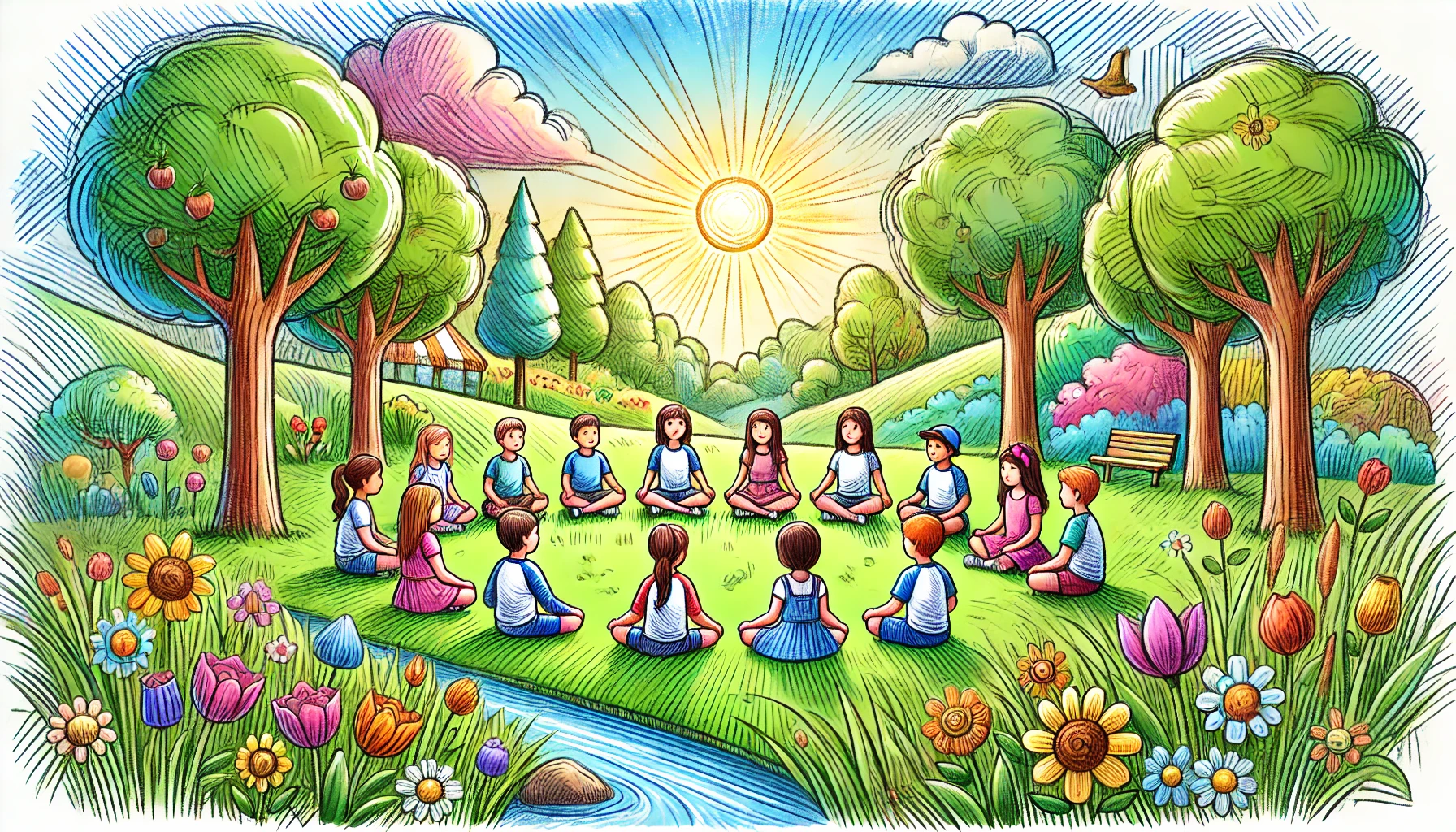
In today’s fast-paced world, children face a myriad of distractions and pressures that can lead to stress and anxiety. Introducing mindfulness to kids is a powerful way to help them develop calm and focus. Mindfulness, the practice of being present and fully engaged in the current moment, offers numerous benefits for children, including improved concentration, emotional regulation, and overall well-being. By incorporating simple mindfulness practices into their daily routines, kids can learn to navigate their emotions and environments with greater ease.
Teaching mindfulness to kids involves fun and engaging activities that capture their attention and imagination. These practices help them develop a mindful attitude that can support their mental and emotional health as they grow. In this blog, we will explore ten effective techniques for teaching mindfulness to kids, promoting calm and focus in their lives.
1. Mindful Breathing Exercises
- Balloon Breathing: Ask kids to imagine they are inflating a balloon in their belly. Have them take a deep breath in through their nose, filling their belly with air, and then slowly exhale through their mouth, deflating the balloon.
- Flower and Candle: Have kids imagine holding a flower in one hand and a candle in the other. Instruct them to breathe in deeply, smelling the flower, and then breathe out slowly, blowing out the candle.
- Counting Breaths: Encourage kids to count their breaths, inhaling for a count of three and exhaling for a count of three. This helps them focus on their breathing and stay present.
- Breath Star: Draw a star on a piece of paper. Have kids trace the outline of the star with their finger, inhaling on one side and exhaling on the next.
- Breath Awareness: Simply ask kids to place their hands on their belly and notice the rise and fall of their breath, bringing their attention to the present moment.
2. Body Scan for Relaxation
- Guided Body Scan: Lead kids through a body scan, asking them to focus on each part of their body, from their toes to their head, and notice any sensations or tension.
- Tense and Release: Have kids tense different muscle groups (e.g., fists, shoulders) and then release, noticing the difference between tension and relaxation.
- Wiggle and Still: Ask kids to wiggle their fingers and toes for a few seconds and then be still, paying attention to how their body feels.
- Animal Body Scan: Incorporate animal imagery, like feeling the paws of a cat or the wings of a butterfly, to make the body scan more engaging.
- Mindful Resting: Encourage kids to lie down comfortably and simply rest their attention on their breath and body sensations.
3. Mindful Listening Activities
- Sound Scavenger Hunt: Have kids close their eyes and listen for different sounds around them. After a minute, ask them to share what they heard.
- Bell Listening: Ring a bell or use a sound bowl. Ask kids to listen closely to the sound and raise their hands when they can no longer hear it.
- Nature Sounds: Take kids outside and have them listen to the sounds of nature, like birds chirping or leaves rustling. Discuss the different sounds they heard.
- Music Meditation: Play a piece of calming music and ask kids to focus on the different instruments and rhythms they hear.
- Quiet Time: Designate a few minutes of quiet time where kids sit silently and listen to the sounds around them, helping them develop awareness and focus.
4. Mindful Movement and Yoga
- Animal Poses: Teach kids simple yoga poses named after animals, like cat-cow, cobra, and downward dog, encouraging them to move mindfully and notice their body.
- Mindful Walking: Take kids on a slow, mindful walk, asking them to pay attention to the sensations in their feet and the environment around them.
- Stretching: Lead kids through gentle stretching exercises, focusing on how each stretch feels in their body.
- Dance Party: Have a dance party where kids dance freely and then pause to notice their heartbeat and breath.
- Balance Exercises: Practice balance poses, like standing on one foot, and encourage kids to focus on their breath and body stability.
5. Mindful Eating Practices
- Savoring Food: Give kids a small piece of food, like a raisin or a slice of apple. Ask them to look at it, smell it, and slowly taste it, paying attention to the flavors and textures.
- Eating in Silence: Occasionally have a silent snack time where kids eat quietly, focusing on the experience of eating.
- Gratitude for Food: Encourage kids to express gratitude for their food, thinking about where it came from and the effort involved in preparing it.
- Mindful Chewing: Ask kids to chew their food slowly and notice how it changes in their mouth.
- Texture Exploration: Give kids different textured foods to explore, discussing how each texture feels and tastes.
6. Gratitude Practices
- Gratitude Jar: Create a gratitude jar where kids write down things they are thankful for on slips of paper and add them to the jar.
- Gratitude Circle: Have a circle time where each child shares something they are grateful for.
- Thank You Notes: Encourage kids to write thank you notes to family members, friends, or teachers, expressing appreciation.
- Gratitude Journals: Provide kids with journals to write or draw things they are grateful for each day.
- Gratitude Walk: Take a walk and ask kids to point out things they are thankful for in their environment, like flowers, trees, or animals.
7. Visualization and Imagination
- Calm Place Visualization: Guide kids through a visualization of a calm and happy place, like a beach or a garden, asking them to use their senses to imagine being there.
- Superhero Relaxation: Have kids imagine they are superheroes who are recharging their powers by relaxing and being still.
- Color Breathing: Ask kids to imagine breathing in their favorite color and filling their body with it, and then exhaling a color that represents stress or worry.
- Peaceful Scene Drawing: Have kids draw a picture of a peaceful scene that makes them feel calm and happy.
- Storytime Visualization: During storytime, ask kids to close their eyes and visualize the scenes from the story, using their imagination to bring it to life.
8. Emotional Awareness and Regulation
- Feelings Chart: Create a chart with different emotions and have kids identify and discuss their feelings each day.
- Emotion Stones: Use painted stones with different facial expressions and ask kids to choose one that represents how they feel.
- Mindful Breathing for Emotions: Teach kids to use mindful breathing to calm down when they feel strong emotions like anger or sadness.
- Feelings Journal: Encourage kids to keep a journal where they write or draw about their emotions.
- Emotion Thermometer: Create an emotion thermometer to help kids express the intensity of their feelings.
9. Kindness and Compassion Activities
- Random Acts of Kindness: Encourage kids to perform random acts of kindness, like helping a friend or sharing a toy.
- Kindness Jar: Create a kindness jar where kids add notes about kind things they did or witnessed.
- Compassion Meditation: Lead kids in a simple compassion meditation, sending kind thoughts to themselves and others.
- Helping Hands: Make a “helping hands” chart where kids can add stickers for acts of kindness they perform.
- Kindness Stories: Read stories about kindness and compassion and discuss the lessons with the kids.
10. Creating a Mindfulness Routine
- Daily Check-In: Start each day with a quick mindfulness check-in, asking kids to share how they feel and what they are looking forward to.
- Mindfulness Corner: Create a mindfulness corner in the classroom or at home with calming objects like soft pillows, books, and sensory toys.
- Mindful Transitions: Use mindful breathing or a short meditation during transitions between activities to help kids stay calm and focused.
- Weekly Mindfulness Session: Schedule a weekly mindfulness session where kids engage in different mindfulness activities.
- Bedtime Routine: Incorporate mindfulness into the bedtime routine with a body scan, calming music, or a guided visualization to help kids wind down and prepare for sleep.
Teaching mindfulness to kids is a valuable way to help them develop calm, focus, and emotional resilience. By incorporating these simple and engaging practices into their daily routines, children can learn to navigate their emotions and environments with greater ease. Remember, the goal of mindfulness for kids is not perfection but to cultivate a more aware and compassionate approach to living. As children practice mindfulness, they will likely find greater peace and joy in their everyday experiences.