
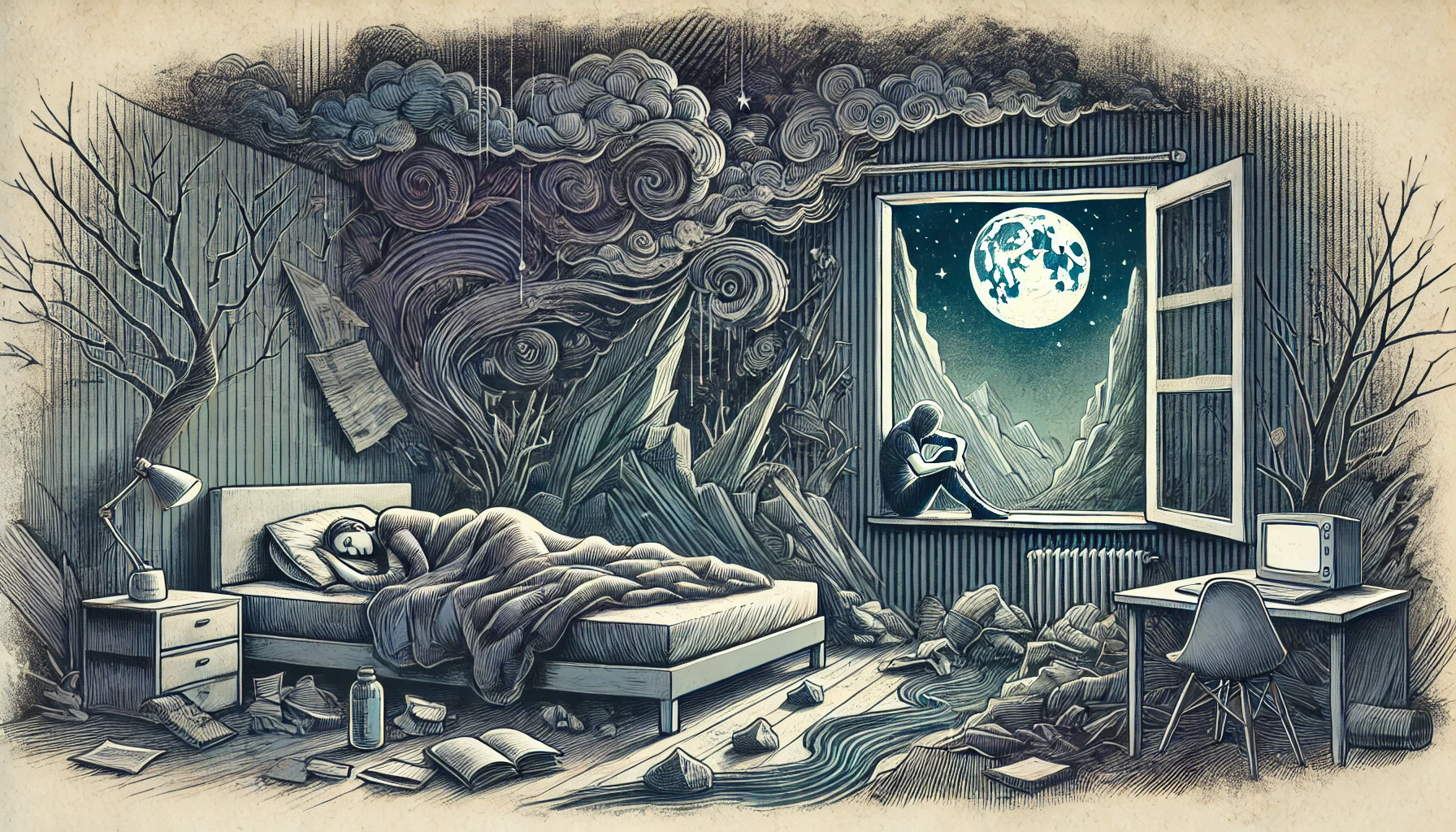
Sleep is a fundamental aspect of our overall well-being, yet many people often overlook its significance, particularly when it comes to mental health. Poor sleep can have a profound impact on mental health, affecting everything from mood and cognitive function to emotional stability and resilience. Understanding how sleep and mental health are interconnected is crucial for addressing the widespread issues associated with sleep deprivation and its psychological consequences.
Sleep disorders, such as insomnia, sleep apnea, and restless leg syndrome, can significantly impact mental health, leading to or exacerbating conditions like depression, anxiety, bipolar disorder, and schizophrenia. Conversely, mental health disorders can disrupt sleep patterns, creating a vicious cycle of poor sleep and deteriorating mental health. This bidirectional relationship highlights the importance of addressing sleep issues as part of a comprehensive approach to mental health care.
1. Sleep Deprivation and Mood Disorders
- Increased Irritability: Sleep deprivation often results in increased irritability and mood swings, making individuals more susceptible to negative emotions and reducing their ability to handle stress.
- Depression Risk: Chronic sleep deprivation is strongly linked to an increased risk of developing depression. Insufficient sleep can lead to changes in brain function and chemistry that contribute to depressive symptoms.
- Anxiety Levels: Lack of sleep can heighten anxiety levels, making it difficult for individuals to manage stress and anxiety effectively. This can result in a heightened state of alertness and persistent worry.
- Emotional Instability: Poor sleep impairs emotional regulation, leading to heightened emotional responses and difficulty in managing daily stressors. This emotional volatility can contribute to mood disorders.
- Social Withdrawal: Sleep-deprived individuals may experience social withdrawal and reduced interest in social interactions, further contributing to feelings of isolation and depression.
2. Cognitive Impairment
- Attention Deficits: Poor sleep affects attention span and concentration, making it challenging to focus on tasks and leading to decreased productivity and performance.
- Memory Problems: Sleep is essential for memory consolidation. Sleep deprivation can impair both short-term and long-term memory, making it difficult to retain and recall information.
- Decision-Making Difficulties: Lack of sleep impairs decision-making abilities, leading to increased impulsivity and poor judgment. This can have negative consequences in both personal and professional settings.
- Problem-Solving Skills: Cognitive functions such as problem-solving and critical thinking are significantly impaired by sleep deprivation, affecting the ability to perform complex tasks.
- Learning Challenges: Adequate sleep is crucial for learning and academic performance. Sleep-deprived individuals may struggle with learning new information and skills, impacting educational outcomes.
3. Impact on Anxiety Disorders
- Heightened Stress Response: Poor sleep can trigger a heightened stress response, increasing the levels of stress hormones like cortisol. This can exacerbate anxiety symptoms and make it difficult to cope with daily stressors.
- Panic Attacks: Sleep deprivation is associated with an increased risk of panic attacks and heightened anxiety, particularly in individuals with pre-existing anxiety disorders.
- Generalized Anxiety Disorder (GAD): Insomnia and poor sleep quality are common in individuals with GAD, creating a cycle of anxiety and sleep disruption that can be challenging to break.
- Social Anxiety: Lack of sleep can worsen social anxiety, making social interactions more stressful and difficult to navigate.
- Obsessive-Compulsive Disorder (OCD): Sleep disturbances can exacerbate OCD symptoms, increasing the frequency and intensity of obsessive thoughts and compulsive behaviors.
4. Depression and Sleep
- Insomnia and Depression: Insomnia is a common symptom of depression, and the two conditions often coexist. Poor sleep can worsen depressive symptoms, while depression can lead to sleep disturbances.
- Sleep Architecture: Depression can alter sleep architecture, leading to changes in sleep stages and reduced restorative sleep. This can contribute to persistent feelings of fatigue and low energy.
- Hypersomnia: Some individuals with depression may experience hypersomnia, characterized by excessive sleepiness and prolonged sleep duration, which can also negatively impact daily functioning.
- Antidepressant Effects: Some antidepressant medications can affect sleep patterns, either improving or disrupting sleep. Managing these effects is crucial for overall treatment success.
- Cognitive-Behavioral Therapy (CBT): CBT for insomnia (CBT-I) is an effective treatment for both sleep problems and depression, helping to improve sleep quality and reduce depressive symptoms.
5. Sleep and Bipolar Disorder
- Manic Episodes: During manic episodes, individuals with bipolar disorder often experience reduced need for sleep, which can exacerbate manic symptoms and prolong the episode.
- Depressive Episodes: In depressive phases, sleep disturbances such as insomnia or hypersomnia are common, contributing to the severity of depressive symptoms.
- Mood Stabilization: Regular sleep patterns are crucial for mood stabilization in individuals with bipolar disorder. Disrupted sleep can trigger mood swings and increase the risk of relapse.
- Sleep Hygiene: Good sleep hygiene practices are essential for managing bipolar disorder, helping to establish a stable sleep routine and reduce the risk of mood episodes.
- Pharmacological Treatment: Medications that regulate sleep patterns can be a critical component of managing bipolar disorder, aiding in mood stabilization and overall treatment efficacy.
6. Schizophrenia and Sleep
- Sleep Disruptions: Individuals with schizophrenia often experience significant sleep disruptions, including insomnia and irregular sleep-wake patterns. These disruptions can worsen symptoms of schizophrenia.
- Cognitive Deficits: Poor sleep exacerbates cognitive deficits associated with schizophrenia, affecting memory, attention, and executive function.
- Psychotic Symptoms: Sleep deprivation can trigger or intensify psychotic symptoms such as hallucinations and delusions, making it essential to address sleep issues in treatment plans.
- Medication Side Effects: Antipsychotic medications can affect sleep, and managing these side effects is crucial for maintaining good sleep hygiene and overall treatment success.
- Integrated Care: Combining sleep-focused interventions with other treatments for schizophrenia can improve overall outcomes and quality of life for individuals with this condition.
7. Impact on Stress and Coping Mechanisms
- Increased Stress Levels: Poor sleep increases stress levels by raising cortisol levels, which can negatively impact physical and mental health.
- Resilience to Stress: Adequate sleep enhances resilience to stress, helping individuals cope better with daily challenges and reducing the risk of stress-related mental health issues.
- Emotional Regulation: Sleep is crucial for emotional regulation, and poor sleep can lead to increased emotional reactivity and difficulty managing emotions.
- Coping Strategies: Sleep deprivation can impair the ability to use effective coping strategies, leading to maladaptive behaviors such as avoidance and substance use.
- Mindfulness and Relaxation: Practices such as mindfulness and relaxation techniques can improve sleep quality, helping to reduce stress and enhance overall mental well-being.
8. Physical Health and Mental Health Connection
- Chronic Health Conditions: Poor sleep is linked to various chronic health conditions, including hypertension, diabetes, and cardiovascular disease, which can negatively impact mental health.
- Pain Sensitivity: Sleep deprivation increases pain sensitivity, contributing to chronic pain conditions that can exacerbate mental health issues such as depression and anxiety.
- Immune Function: Adequate sleep is essential for maintaining a healthy immune system. Poor sleep can weaken immune function, increasing susceptibility to illnesses and affecting overall well-being.
- Energy Levels: Chronic sleep deprivation leads to persistent fatigue and low energy levels, impacting daily functioning and contributing to mental health issues.
- Weight Management: Poor sleep can affect weight management by disrupting hormones that regulate hunger and appetite, contributing to weight gain and associated mental health issues.
9. Treatment and Intervention Strategies
- Cognitive-Behavioral Therapy for Insomnia (CBT-I): CBT-I is a highly effective treatment for improving sleep quality and addressing insomnia, leading to improvements in mental health.
- Pharmacological Interventions: Medications may be used to manage sleep disorders, although they are typically considered a short-term solution and should be used under medical supervision.
- Sleep Hygiene Practices: Establishing good sleep hygiene practices, such as maintaining a regular sleep schedule and creating a conducive sleep environment, is essential for improving sleep quality.
- Lifestyle Modifications: Adopting a healthy lifestyle, including regular exercise, a balanced diet, and stress management techniques, supports better sleep and mental health.
- Integrated Care Approaches: Combining sleep-focused interventions with other mental health treatments can provide comprehensive care and improve overall outcomes.
10. Importance of Sleep Education
- Public Awareness: Raising public awareness about the importance of sleep and its impact on mental health can encourage healthier sleep habits and improve mental health outcomes.
- School Programs: Integrating sleep education into school curriculums can promote healthy sleep habits from a young age, reducing the risk of sleep-related mental health issues.
- Workplace Initiatives: Employers can support sleep health through initiatives such as flexible work hours, promoting work-life balance, and providing resources for sleep education.
- Healthcare Provider Training: Training healthcare providers to recognize and address sleep issues as part of routine mental health care can improve overall treatment outcomes.
- Community Resources: Providing community resources and support for individuals struggling with sleep issues can enhance public health and mental well-being.
In conclusion, the impact of poor sleep on mental health is profound and multifaceted. Addressing sleep issues through comprehensive strategies, including therapy, lifestyle changes, and education, can significantly improve mental health outcomes and overall quality of life. By recognizing the critical role of sleep in mental health, individuals and healthcare providers can work together to promote healthier sleep habits and better mental health.