
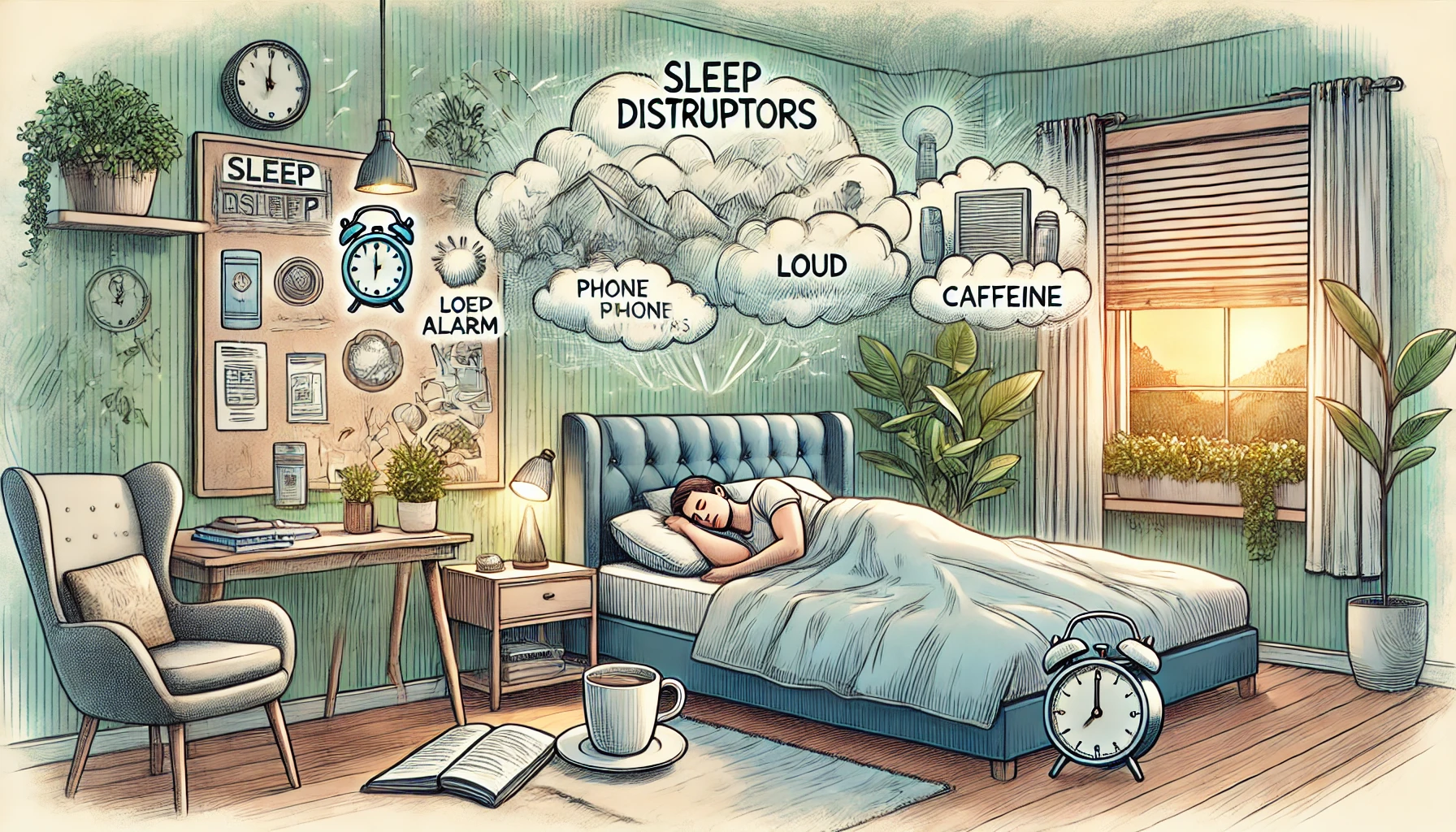
Achieving quality sleep is essential for overall health and well-being, yet many people struggle with sleep due to various disruptors. From lifestyle habits to environmental factors, these sleep disruptors can prevent you from getting the restful sleep you need. Understanding and avoiding common sleep disruptors can significantly enhance your sleep quality. This blog will explore effective strategies to help you avoid sleep disruptors for better sleep, providing practical tips and insights for a more restful night.
Quality sleep is vital for maintaining physical health, mental clarity, and emotional stability. However, certain habits and conditions can interfere with your ability to fall asleep and stay asleep. By identifying and addressing these sleep disruptors, you can create a more conducive sleep environment and establish healthier sleep habits.
1. Limit Caffeine and Nicotine
- Avoid Late Consumption: Refrain from consuming caffeine and nicotine in the late afternoon and evening, as they are stimulants that can interfere with sleep.
- Caffeine Sources: Be mindful of hidden sources of caffeine, such as chocolate, certain medications, and some teas.
- Gradual Reduction: Gradually reduce your intake of caffeine and nicotine if you are used to consuming them regularly, to minimize withdrawal effects.
- Healthier Alternatives: Opt for caffeine-free herbal teas or other non-caffeinated beverages in the evening.
- Timing: Enjoy your last caffeinated drink at least 6 hours before bedtime.
2. Create a Sleep-Conducive Environment
- Darkness: Use blackout curtains or an eye mask to block out light, creating a dark environment that promotes sleep.
- Quietness: Reduce noise with earplugs, white noise machines, or soundproofing measures to eliminate disruptive sounds.
- Comfortable Bedding: Invest in a comfortable mattress and pillows that provide proper support and comfort.
- Ideal Temperature: Keep your bedroom cool, ideally between 60-67°F (15-19°C), to facilitate better sleep.
- Clean and Tidy: Maintain a clean and tidy bedroom environment to create a relaxing and inviting sleep space.
3. Avoid Heavy Meals and Alcohol Before Bed
- Late-Night Eating: Avoid eating large or heavy meals within a few hours of bedtime to prevent discomfort and indigestion.
- Light Snacks: If you’re hungry before bed, opt for a light snack that includes complex carbohydrates or protein, such as a banana or a small handful of nuts.
- Alcohol: While alcohol might make you feel sleepy initially, it can disrupt your sleep cycle later in the night, leading to poor sleep quality.
- Hydration: Drink enough water during the day but reduce fluid intake before bedtime to avoid nighttime bathroom trips.
- Healthy Choices: Choose foods that promote sleep, such as those rich in magnesium, tryptophan, and melatonin.
4. Manage Stress and Anxiety
- Relaxation Techniques: Practice relaxation techniques such as deep breathing, meditation, or progressive muscle relaxation to reduce stress and anxiety.
- Mindfulness Practice: Engage in mindfulness practices throughout the day to stay present and reduce worry about the future or past.
- Journaling: Write down your thoughts and worries before bed to clear your mind and prevent ruminating.
- Stress Management Plan: Develop a stress management plan that includes healthy coping mechanisms like exercise, hobbies, and social connections.
- Professional Help: Seek professional help if you struggle with chronic stress or anxiety that interferes with sleep.
5. Limit Screen Time Before Bed
- Blue Light: Reduce exposure to screens (phones, tablets, computers, and TVs) at least an hour before bed, as blue light can interfere with the production of melatonin, the sleep hormone.
- Night Mode: Use blue light filters or night mode settings on your devices if you must use them in the evening.
- Alternative Activities: Engage in screen-free activities before bed, such as reading, listening to calming music, or practicing relaxation exercises.
- Digital Detox: Implement a digital detox period each evening to help your mind unwind and prepare for sleep.
- Device-Free Zone: Keep electronic devices out of the bedroom to create a more conducive sleep environment.
6. Establish a Consistent Sleep Schedule
- Regular Bedtime: Choose a bedtime that allows you to get 7-9 hours of sleep and stick to it, even on weekends.
- Wake-Up Time: Set a consistent wake-up time and avoid sleeping in, even if you didn’t sleep well the night before.
- Routine Reinforcement: Use alarms and bedtime reminders to reinforce your new sleep schedule.
- Gradual Adjustments: If you need to change your sleep schedule, do so gradually by adjusting your bedtime or wake time by 15-30 minutes each day.
- Consistency: Maintaining a consistent sleep schedule helps regulate your body’s internal clock and improve sleep quality.
7. Incorporate Physical Activity
- Daily Exercise: Engage in regular physical activity, such as walking, running, or yoga, to promote better sleep.
- Timing: Aim to finish intense workouts at least a few hours before bedtime to give your body time to wind down.
- Morning Exercise: Consider exercising in the morning or early afternoon to help regulate your sleep-wake cycle.
- Consistency: Make physical activity a regular part of your routine for long-term sleep benefits.
- Relaxing Exercise: Include relaxing exercises like stretching or gentle yoga in the evening to help prepare your body for sleep.
8. Avoid Naps Late in the Day
- Short Naps: If you need to nap, keep it short (20-30 minutes) to avoid interfering with nighttime sleep.
- Early Naps: Take naps earlier in the day, preferably before 3 p.m., to minimize the impact on your nighttime sleep.
- Nap Environment: Nap in a comfortable and quiet environment to get the most rest without disrupting your sleep routine.
- Nap Frequency: Limit naps to days when you are particularly tired or sleep-deprived.
- Consistent Routine: Maintain a consistent routine even on days when you nap to support your overall sleep schedule.
9. Address Sleep Disorders
- Professional Help: Consult a healthcare professional if you suspect you have a sleep disorder such as insomnia, sleep apnea, or restless leg syndrome.
- Medical Advice: Seek medical advice if you experience persistent sleep problems that affect your daily life and well-being.
- Therapy: Consider cognitive-behavioral therapy for insomnia (CBT-I), a highly effective treatment for chronic sleep problems.
- Medication: In some cases, a healthcare provider may recommend medication to help with sleep, but it should be used under supervision.
- Regular Check-ups: Keep up with regular health check-ups to address any underlying health issues that may impact sleep.
10. Implement Relaxation Techniques
- Deep Breathing: Practice deep breathing exercises, inhaling deeply through your nose and exhaling slowly through your mouth, to promote relaxation.
- Progressive Muscle Relaxation: Tense each muscle group for a few seconds, then release and relax, starting from your toes and moving up to your head.
- Guided Imagery: Use guided imagery to visualize peaceful scenes and promote relaxation before sleep.
- Meditation: Incorporate meditation into your bedtime routine to calm the mind and prepare for sleep.
- Consistency: Practice these techniques regularly to help condition your body and mind to relax more easily.
Conclusion
Avoiding sleep disruptors is essential for improving sleep quality and overall well-being. By limiting caffeine and nicotine, creating a sleep-conducive environment, managing stress and anxiety, reducing screen time, and establishing a consistent sleep schedule, you can significantly enhance your ability to fall asleep and stay asleep. Prioritizing these strategies will help you develop healthier sleep habits and enjoy more restful nights, leading to better health and a higher quality of life.