
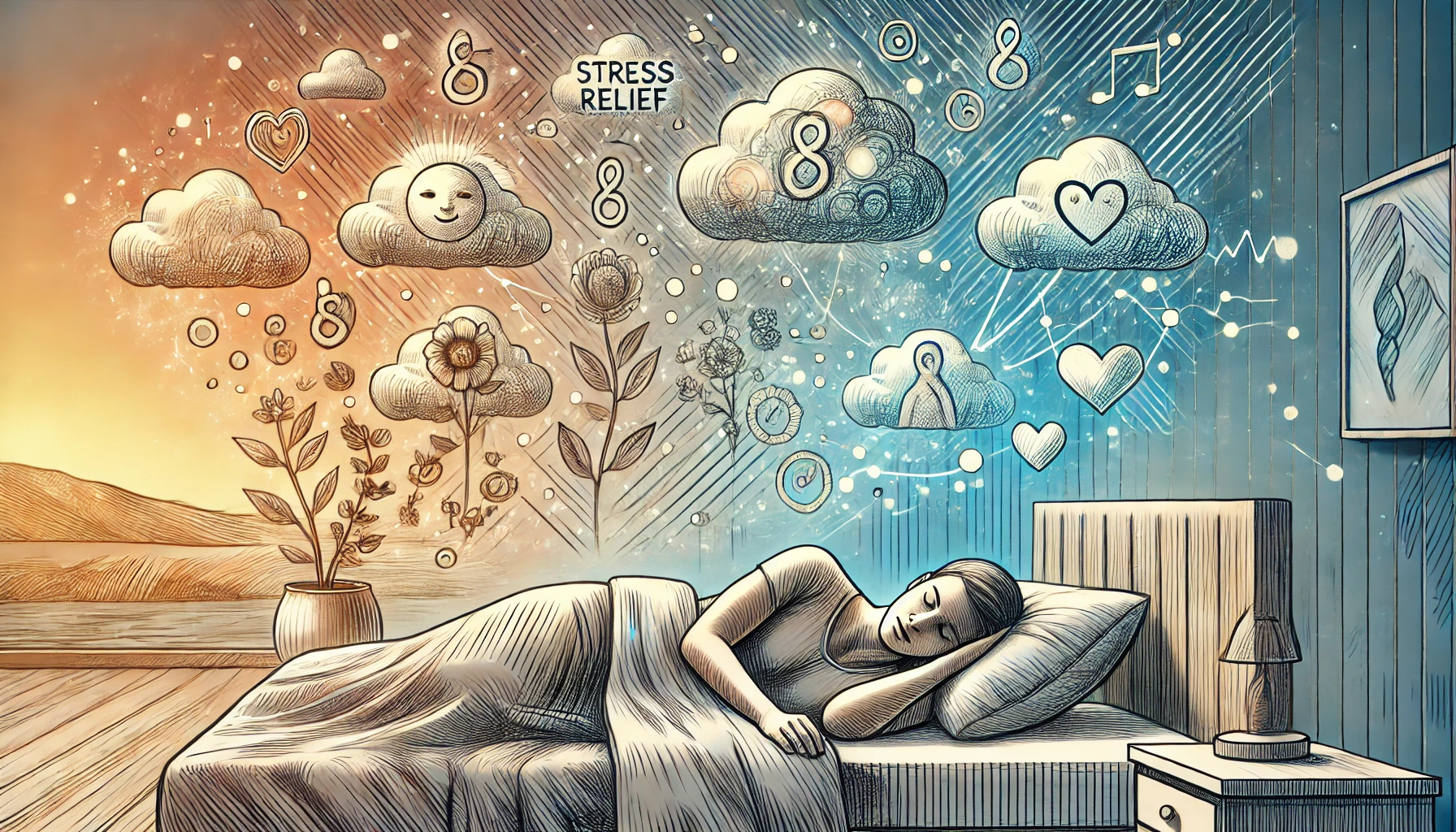
In our fast-paced, constantly connected world, stress is a common and often overwhelming part of daily life. One of the most effective, yet frequently overlooked, strategies for managing stress is getting good sleep. Quality sleep is crucial for maintaining mental and physical health, and it plays a vital role in how we handle stress. In this blog, we will explore the benefits of good sleep for stress management, highlighting why prioritizing rest can significantly improve your ability to cope with life’s challenges.
Sleep is a restorative process that supports various bodily functions, including those that regulate mood and stress levels. During sleep, the body and mind engage in essential repair and recovery processes, helping to reset and prepare for the next day. Without adequate sleep, the body’s stress response can become overactive, leading to increased anxiety, irritability, and difficulty coping with stressors. By understanding the connection between sleep and stress management, we can take steps to improve our sleep habits and enhance our overall well-being.
1. Emotional Stability
- Mood Regulation: Quality sleep helps regulate emotions, making it easier to manage stress without becoming overwhelmed.
- Reduced Irritability: Adequate sleep reduces irritability and enhances patience, which is crucial for maintaining calm under stress.
- Improved Coping Mechanisms: Well-rested individuals have better emotional resilience, enabling them to handle stressful situations more effectively.
- Positive Outlook: Proper sleep fosters a more positive outlook on life, reducing the negative impact of stress on mood.
- Balanced Emotions: Quality sleep helps keep emotions balanced, preventing extreme reactions to stressful events.
2. Cognitive Function
- Enhanced Focus: Adequate sleep improves focus and concentration, essential for problem-solving and managing stress effectively.
- Clear Thinking: Quality sleep supports clear and rational thinking, helping to prevent anxiety and confusion in stressful situations.
- Memory Consolidation: Proper sleep aids in memory consolidation, making it easier to recall effective stress management techniques.
- Decision-Making: Well-rested individuals make better decisions, crucial for navigating stressful circumstances.
- Problem-Solving Skills: Quality sleep enhances problem-solving abilities, allowing for more efficient handling of stressors.
3. Physical Health
- Reduced Fatigue: Adequate sleep reduces physical fatigue, ensuring that the body has enough energy to cope with stress.
- Lower Cortisol Levels: Quality sleep helps regulate cortisol, a stress hormone that can negatively impact health when levels are too high.
- Strengthened Immune System: Proper sleep supports the immune system, reducing the likelihood of stress-related illnesses.
- Pain Reduction: Well-rested individuals experience less chronic pain, which can be a source of stress.
- Overall Health: Quality sleep promotes overall physical health, making the body more resilient to stress.
4. Stress Hormone Regulation
- Cortisol Balance: Adequate sleep helps balance cortisol levels, preventing the overproduction of this stress hormone.
- Reduced Adrenaline: Quality sleep lowers adrenaline levels, reducing the physical symptoms of stress such as rapid heartbeat and high blood pressure.
- Hormonal Stability: Proper sleep ensures hormonal stability, which is crucial for managing stress responses.
- Growth Hormone Release: During sleep, the body releases growth hormone, aiding in stress recovery and physical repair.
- Insulin Sensitivity: Quality sleep improves insulin sensitivity, reducing the risk of stress-related metabolic issues.
5. Mental Health
- Anxiety Reduction: Adequate sleep helps reduce anxiety, providing a calmer state of mind.
- Depression Prevention: Quality sleep lowers the risk of depression, which can exacerbate stress.
- Emotional Resilience: Proper sleep enhances emotional resilience, helping individuals recover more quickly from stressful events.
- Mood Stability: Well-rested individuals experience greater mood stability, reducing the emotional impact of stress.
- Psychological Well-being: Quality sleep supports overall psychological well-being, making it easier to handle stress.
6. Relaxation and Recovery
- Physical Relaxation: Adequate sleep promotes physical relaxation, helping to reduce muscle tension and other physical symptoms of stress.
- Mental Relaxation: Quality sleep provides mental relaxation, reducing mental fatigue and improving clarity.
- Recovery Time: Proper sleep allows for sufficient recovery time, enabling the body and mind to heal from the effects of stress.
- Deep Rest: Well-rested individuals experience deeper rest, which is essential for managing chronic stress.
- Regenerative Sleep: Quality sleep supports the body’s natural regenerative processes, crucial for stress recovery.
7. Improved Relationships
- Better Communication: Adequate sleep improves communication skills, reducing misunderstandings and conflicts that can cause stress.
- Increased Empathy: Quality sleep enhances empathy, making it easier to support others and receive support in return.
- Positive Interactions: Proper sleep fosters positive social interactions, which can help buffer against stress.
- Conflict Resolution: Well-rested individuals are better at resolving conflicts, reducing relational stress.
- Social Support: Quality sleep strengthens social support networks, providing a crucial resource for stress management.
8. Lifestyle Habits
- Healthy Eating: Adequate sleep promotes healthier eating habits, reducing stress-related cravings for unhealthy foods.
- Regular Exercise: Quality sleep supports regular physical activity, which is a powerful stress-relief tool.
- Time Management: Proper sleep enhances time management skills, reducing the stress of procrastination and last-minute pressures.
- Productivity: Well-rested individuals are more productive, reducing work-related stress.
- Balanced Life: Quality sleep supports a balanced lifestyle, making it easier to juggle various responsibilities without becoming overwhelmed.
9. Immune System Support
- Illness Prevention: Adequate sleep boosts the immune system, reducing the risk of stress-related illnesses.
- Faster Recovery: Quality sleep enhances recovery from illnesses, minimizing the additional stress of being sick.
- Inflammation Reduction: Proper sleep helps reduce inflammation, which can be triggered by stress and exacerbate its effects.
- Overall Immunity: Well-rested individuals have stronger immune responses, protecting against stress-induced health issues.
- Healthy Immune Function: Quality sleep ensures healthy immune function, essential for managing the physical impacts of stress.
10. Longevity and Quality of Life
- Life Expectancy: Adequate sleep is associated with increased life expectancy by reducing the harmful effects of chronic stress.
- Healthy Aging: Quality sleep supports healthy aging, maintaining physical and mental health over time.
- Daily Functioning: Proper sleep enhances daily functioning, making it easier to handle stress and responsibilities.
- Quality of Life: Well-rested individuals enjoy a higher quality of life, feeling more energetic, happy, and capable of managing stress.
- Overall Well-being: Quality sleep promotes overall well-being, ensuring a balanced and fulfilling life.
In conclusion, good sleep is an essential component of effective stress management. By prioritizing quality sleep, we can improve our emotional stability, cognitive function, physical health, and overall resilience to stress. Understanding the profound impact of sleep on stress management motivates us to adopt healthier sleep habits, leading to enhanced well-being and a better quality of life. Ensuring adequate and consistent sleep is not just beneficial but crucial for managing stress effectively.