
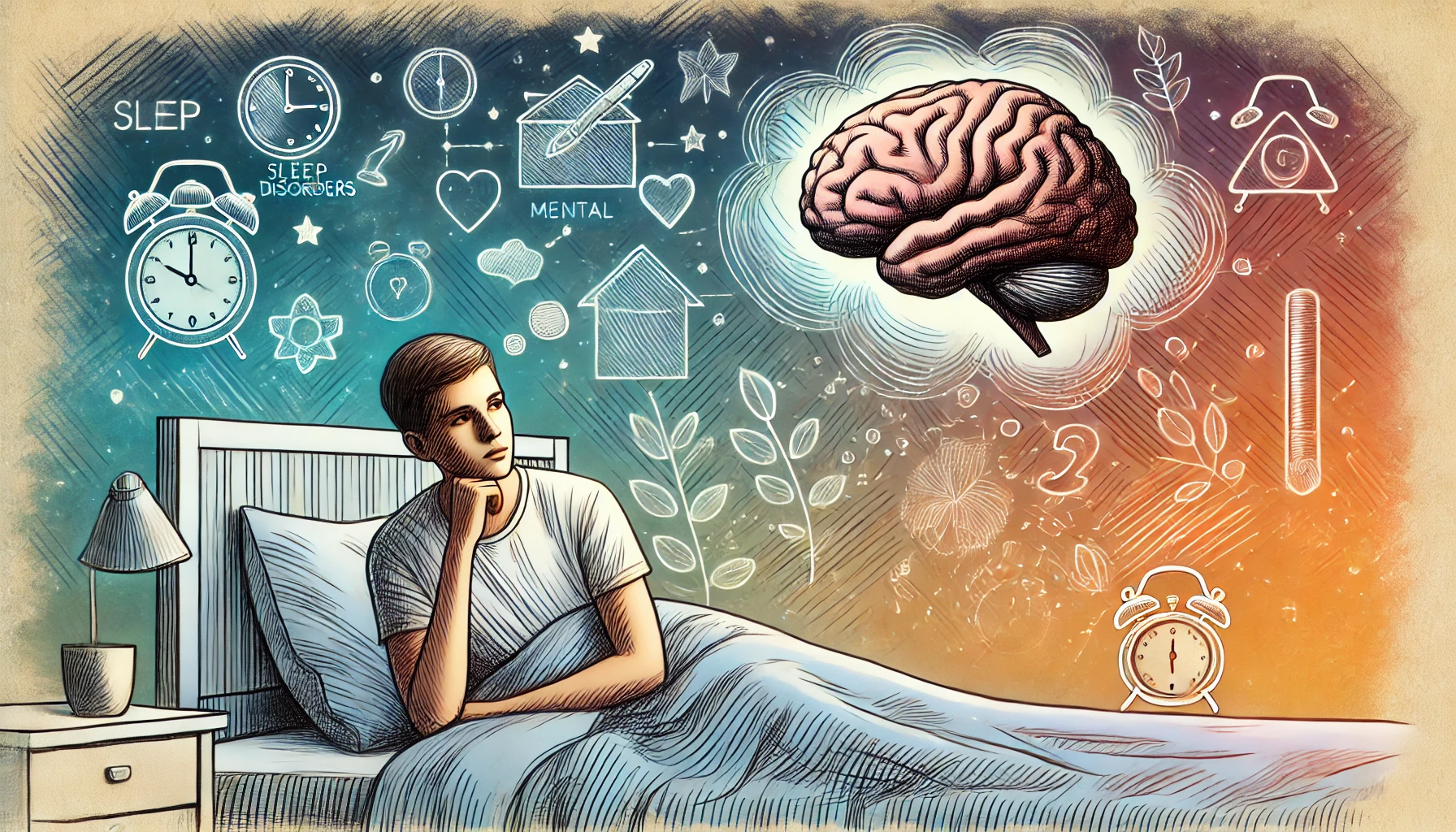
Sleep disorders and mental health are intricately linked, with each significantly affecting the other. Understanding this connection is crucial for effectively managing both sleep disorders and mental health issues. Poor sleep can contribute to the development and exacerbation of mental health conditions, while mental health disorders can lead to sleep disturbances. This blog will explore the relationship between sleep disorders and mental health, examining common sleep disorders, their impact on mental health, and strategies for managing both aspects to improve overall well-being.
The Interconnection Between Sleep and Mental Health
- Bidirectional Relationship: Sleep disorders and mental health issues often coexist, influencing each other in a bidirectional relationship. Poor sleep can exacerbate mental health conditions, while mental health disorders can disrupt sleep.
- Biological Mechanisms: Neurotransmitters and hormones that regulate sleep also play crucial roles in mood and emotional regulation. Disruptions in these systems can lead to both sleep disorders and mental health issues.
Common Sleep Disorders and Their Impact on Mental Health
1. Insomnia
- Symptoms: Difficulty falling asleep, staying asleep, or waking up too early.
- Mental Health Impact: Insomnia is strongly linked to depression, anxiety, and increased stress. Chronic insomnia can lead to mood disturbances, irritability, and cognitive impairments.
- Management: Cognitive Behavioral Therapy for Insomnia (CBT-I), relaxation techniques, and establishing a consistent sleep routine.
2. Sleep Apnea
- Symptoms: Loud snoring, pauses in breathing, and daytime sleepiness.
- Mental Health Impact: Sleep apnea is associated with depression, anxiety, and cognitive dysfunction. The repeated interruptions in breathing can lead to fragmented sleep and reduced oxygen levels, impacting brain function and mood regulation.
- Management: Continuous Positive Airway Pressure (CPAP) therapy, lifestyle changes, and weight management.
3. Restless Legs Syndrome (RLS)
- Symptoms: Uncomfortable sensations in the legs and an irresistible urge to move them, especially at night.
- Mental Health Impact: RLS is linked to increased levels of stress, anxiety, and depression. The discomfort and sleep disturbances caused by RLS can lead to significant emotional distress and fatigue.
- Management: Iron supplements (if deficient), medications, and lifestyle changes such as regular exercise and avoiding caffeine.
4. Narcolepsy
- Symptoms: Excessive daytime sleepiness, sudden sleep attacks, and cataplexy (sudden muscle weakness).
- Mental Health Impact: Narcolepsy can lead to depression, anxiety, and social isolation. The unpredictability of sleep attacks and the impact on daily functioning can contribute to emotional and psychological distress.
- Management: Medications, scheduled naps, and lifestyle modifications.
How Mental Health Disorders Affect Sleep
1. Depression
- Symptoms: Persistent sadness, loss of interest, and fatigue.
- Impact on Sleep: Depression often leads to insomnia or hypersomnia (excessive sleep). The changes in sleep patterns can worsen depressive symptoms, creating a vicious cycle.
- Management: Treatment for depression, such as psychotherapy and medications, alongside sleep-focused interventions like CBT-I.
2. Anxiety
- Symptoms: Excessive worry, restlessness, and physical symptoms such as a racing heart.
- Impact on Sleep: Anxiety can cause difficulty falling asleep, frequent awakenings, and poor sleep quality. The constant state of hyperarousal can make it challenging to relax and fall asleep.
- Management: Anxiety management techniques, including cognitive-behavioral therapy (CBT), mindfulness, and relaxation exercises.
3. Bipolar Disorder
- Symptoms: Extreme mood swings, including manic and depressive episodes.
- Impact on Sleep: During manic episodes, individuals may experience decreased need for sleep, while depressive episodes can lead to hypersomnia or insomnia. Irregular sleep patterns can exacerbate mood swings.
- Management: Medications to stabilize mood, along with sleep hygiene practices and regular routines.
Strategies for Managing Sleep Disorders and Mental Health
1. Establish a Consistent Sleep Routine
- Regular Schedule: Go to bed and wake up at the same times every day to regulate your body’s internal clock.
- Pre-Sleep Routine: Develop a calming pre-sleep routine that includes activities like reading, taking a warm bath, or practicing relaxation techniques.
2. Create a Sleep-Conducive Environment
- Dark and Quiet: Ensure your bedroom is dark, quiet, and cool. Use blackout curtains, earplugs, or white noise machines if necessary.
- Comfortable Bedding: Invest in a comfortable mattress and pillows to enhance sleep quality.
3. Practice Good Sleep Hygiene
- Limit Screen Time: Avoid screens at least an hour before bed to reduce blue light exposure, which can interfere with melatonin production.
- Avoid Stimulants: Refrain from consuming caffeine, nicotine, and heavy meals close to bedtime.
- Exercise Regularly: Engage in regular physical activity, but avoid vigorous exercise close to bedtime.
4. Address Underlying Mental Health Issues
- Therapy: Consider cognitive-behavioral therapy (CBT) or other therapeutic approaches to address anxiety, depression, and other mental health issues.
- Medications: Consult with a healthcare provider about medications that can help manage mental health conditions and improve sleep.
- Mindfulness and Relaxation: Practice mindfulness, meditation, and relaxation exercises to reduce stress and promote better sleep.
5. Monitor and Track Sleep Patterns
- Sleep Diary: Keep a sleep diary to track your sleep patterns, including bedtime, wake time, and any nighttime awakenings.
- Identify Triggers: Use the sleep diary to identify triggers that may be affecting your sleep and address them accordingly.
6. Seek Professional Help
- Consult a Specialist: If sleep problems persist, consult a sleep specialist or a mental health professional to explore further diagnostic tests and tailored treatment plans.
- Follow Up: Regular follow-up appointments can help monitor progress and make necessary adjustments to treatment plans.
Conclusion
The connection between sleep disorders and mental health is profound and complex. Addressing both aspects is essential for improving overall well-being. By understanding the impact of sleep disorders on mental health and implementing strategies to manage both, individuals can enhance their quality of life. Establishing a consistent sleep routine, creating a sleep-conducive environment, practicing good sleep hygiene, addressing underlying mental health issues, and seeking professional help are crucial steps towards better sleep and mental health.