
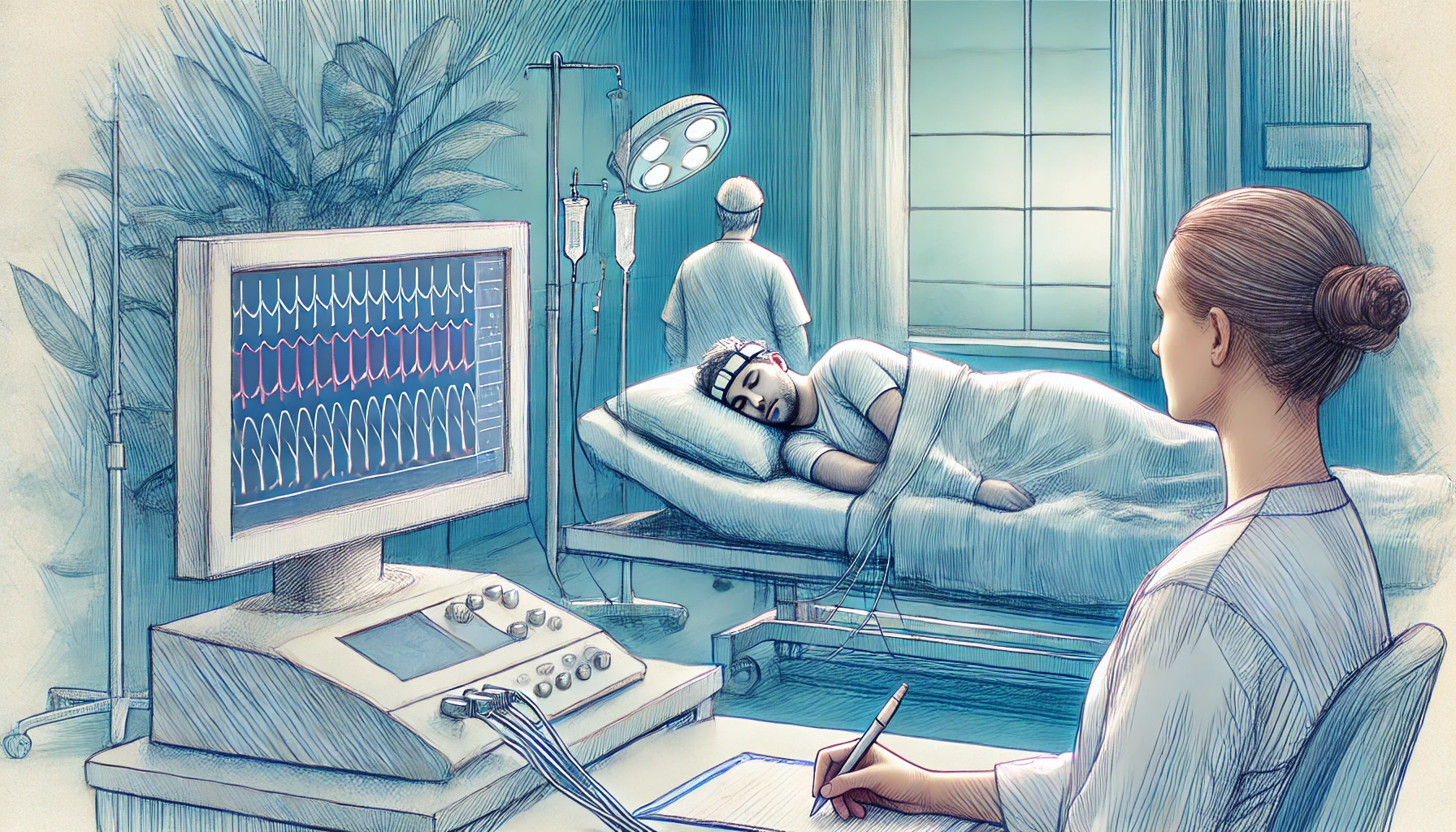
Sleep studies, also known as polysomnography, play a crucial role in diagnosing sleep disorders. These comprehensive tests monitor various physiological parameters during sleep to identify abnormalities that may contribute to sleep disturbances. Understanding the role of sleep studies can help individuals recognize when these evaluations are necessary and how they can aid in the effective diagnosis and treatment of sleep disorders. This blog post will explore the significance of sleep studies, the types of sleep studies available, what to expect during a sleep study, and how these tests contribute to diagnosing common sleep disorders.
Introduction
Sleep disorders affect millions of people worldwide, leading to a myriad of health issues, including chronic fatigue, cognitive impairment, and an increased risk of cardiovascular diseases. Proper diagnosis is the first step towards effective treatment, and sleep studies provide the detailed insights needed to identify specific sleep disorders accurately. This comprehensive guide will delve into the importance of sleep studies in diagnosing sleep disorders, shedding light on their role in improving overall sleep health.
1. Importance of Sleep Studies
- Comprehensive Monitoring: Sleep studies monitor multiple physiological functions, such as brain activity, eye movements, muscle activity, heart rate, and breathing patterns, providing a thorough assessment of sleep quality and disturbances.
- Accurate Diagnosis: By capturing detailed data throughout the night, sleep studies help healthcare providers accurately diagnose a range of sleep disorders, leading to more effective treatment plans.
- Personalized Treatment: The insights gained from sleep studies enable healthcare providers to tailor treatment strategies to individual needs, improving the efficacy of interventions and enhancing overall sleep health.
2. Types of Sleep Studies
There are several types of sleep studies, each designed to diagnose specific sleep disorders. The most common types include:
Polysomnography (PSG)
- Description: An overnight test conducted in a sleep lab that records various physiological parameters, including brain activity, eye movements, muscle activity, heart rate, and breathing patterns.
- Purpose: Used to diagnose a wide range of sleep disorders, including obstructive sleep apnea (OSA), insomnia, restless legs syndrome (RLS), and parasomnias.
Home Sleep Apnea Test (HSAT)
- Description: A simplified version of polysomnography that can be conducted at home. It typically monitors breathing patterns, oxygen levels, and heart rate.
- Purpose: Primarily used to diagnose obstructive sleep apnea (OSA) in patients who are at high risk for the condition.
Multiple Sleep Latency Test (MSLT)
- Description: A daytime nap study that measures how quickly a person falls asleep in a quiet environment during the day.
- Purpose: Used to diagnose narcolepsy and other disorders of excessive daytime sleepiness.
Maintenance of Wakefulness Test (MWT)
- Description: A test that measures a person’s ability to stay awake in a quiet, relaxing environment during the day.
- Purpose: Used to assess the effectiveness of treatment for sleep disorders and to evaluate individuals in safety-sensitive jobs.
Actigraphy
- Description: A non-invasive method that involves wearing a wrist-worn device to monitor movement and sleep patterns over several days or weeks.
- Purpose: Used to assess circadian rhythm disorders and to monitor sleep patterns in natural settings.
3. What to Expect During a Sleep Study
Understanding what to expect during a sleep study can help alleviate any concerns and ensure a smooth experience. Here are the general steps involved:
Pre-Study Preparation
- Instructions: Patients receive detailed instructions on how to prepare for the study, including avoiding caffeine and adhering to regular sleep schedules in the days leading up to the test.
- Medications: Patients should inform the sleep technician about any medications they are taking, as some drugs can affect sleep patterns.
During the Study
- Arrival: Patients typically arrive at the sleep lab in the evening and are shown to a private room resembling a comfortable bedroom.
- Sensors and Electrodes: The technician places sensors and electrodes on the patient’s scalp, face, chest, and legs to monitor various physiological parameters.
- Observation: Throughout the night, the patient’s sleep is monitored, and the data is recorded for analysis. Patients can sleep as they normally would, and any issues can be addressed promptly by the technician.
Post-Study Procedure
- Data Analysis: The recorded data is analyzed by a sleep specialist to identify any abnormalities and diagnose specific sleep disorders.
- Follow-Up: Patients typically have a follow-up appointment to discuss the results and develop a treatment plan based on the findings.
4. Diagnosing Common Sleep Disorders with Sleep Studies
Sleep studies are instrumental in diagnosing various sleep disorders. Here’s how they contribute to identifying common conditions:
Obstructive Sleep Apnea (OSA)
- Detection: Polysomnography and HSAT monitor breathing patterns, oxygen levels, and heart rate to detect episodes of apnea (pauses in breathing) and hypopnea (shallow breathing).
- Diagnosis: The data helps diagnose the severity of OSA and guides treatment decisions, such as continuous positive airway pressure (CPAP) therapy or surgery.
Insomnia
- Evaluation: Polysomnography helps rule out other sleep disorders that may cause insomnia, such as sleep apnea or periodic limb movement disorder (PLMD).
- Treatment: The insights gained can inform cognitive behavioral therapy for insomnia (CBT-I) and other interventions.
Narcolepsy
- Assessment: MSLT measures sleep latency (the time it takes to fall asleep) and the presence of REM sleep during naps, which are indicative of narcolepsy.
- Management: Accurate diagnosis allows for appropriate treatment with medications and lifestyle modifications.
Restless Legs Syndrome (RLS) and Periodic Limb Movement Disorder (PLMD)
- Monitoring: Polysomnography records leg movements and helps differentiate between RLS (an urge to move the legs) and PLMD (involuntary leg movements during sleep).
- Intervention: The findings guide treatment strategies, such as iron supplementation or medications.
Parasomnias
- Identification: Polysomnography captures abnormal behaviors during sleep, such as sleepwalking or night terrors, and differentiates them from other disorders.
- Therapy: Diagnosing parasomnias accurately allows for targeted interventions, such as safety measures and behavioral therapy.
Conclusion
Sleep studies play a vital role in diagnosing sleep disorders, providing detailed insights into various physiological parameters that affect sleep quality. By accurately diagnosing conditions like obstructive sleep apnea, insomnia, narcolepsy, restless legs syndrome, and parasomnias, sleep studies enable healthcare providers to develop personalized treatment plans that improve sleep health and overall well-being. If you suspect you have a sleep disorder, consult a healthcare provider to determine if a sleep study is necessary and take the first step towards better sleep and enhanced quality of life.