
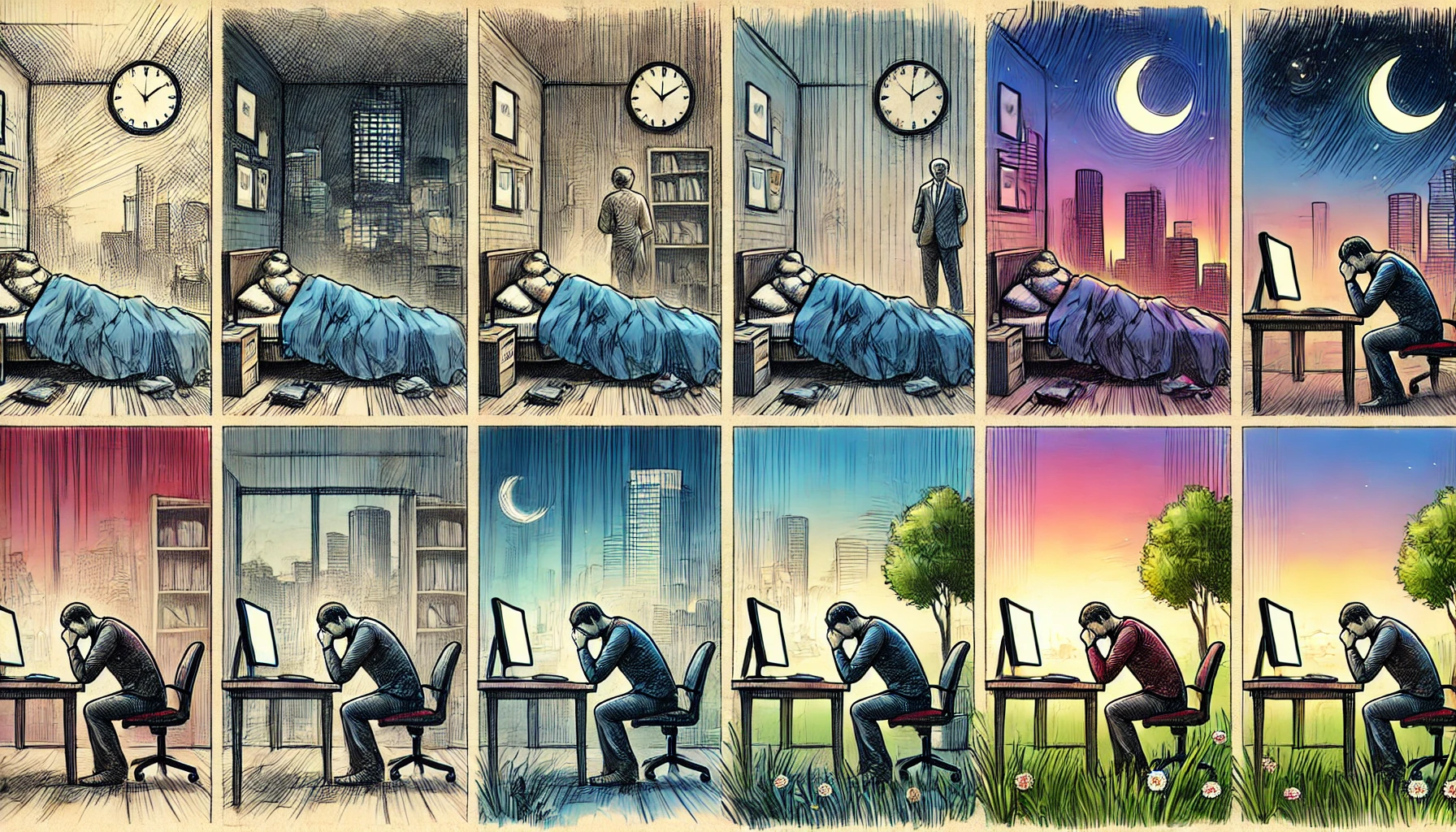
Sleep disorders can have a profound impact on daily life, affecting everything from physical health to emotional well-being and cognitive function. These disorders can disrupt sleep patterns, leading to insufficient or poor-quality sleep, which in turn influences various aspects of day-to-day functioning. Understanding the impact of sleep disorders on daily life is crucial for recognizing the importance of good sleep hygiene and seeking appropriate treatment. This blog will explore the various ways sleep disorders affect daily life and provide insights into managing these challenges.
Sleep is essential for maintaining overall health and well-being. When sleep is disrupted by disorders such as insomnia, sleep apnea, restless legs syndrome (RLS), or narcolepsy, the consequences can be far-reaching. The following sections delve into the specific impacts of sleep disorders on different areas of daily life and offer strategies for mitigating these effects.
1. Physical Health
- Increased Risk of Chronic Conditions: Sleep disorders can contribute to the development of chronic conditions such as heart disease, hypertension, diabetes, and obesity. Poor sleep affects the body’s ability to regulate blood pressure, blood sugar levels, and appetite hormones.
- Example: Sleep apnea, characterized by repeated interruptions in breathing during sleep, is strongly linked to an increased risk of cardiovascular diseases due to intermittent drops in blood oxygen levels.
- Weakened Immune System: Lack of sleep can weaken the immune system, making you more susceptible to infections and illnesses. Chronic sleep deprivation impairs the body’s ability to produce and release cytokines, proteins that target infection and inflammation.
- Example: Individuals with chronic insomnia are more likely to catch colds and other infections due to a compromised immune system.
- Chronic Pain: Sleep disorders can exacerbate chronic pain conditions such as arthritis, fibromyalgia, and migraines. Poor sleep lowers pain tolerance and increases sensitivity to pain.
- Example: A person with arthritis may experience heightened joint pain due to disrupted sleep, creating a vicious cycle of pain and poor sleep.
2. Cognitive Function
- Impaired Memory and Concentration: Sleep is crucial for cognitive processes, including memory consolidation and learning. Sleep disorders can impair memory retention, focus, and decision-making abilities.
- Example: Students with sleep disorders may struggle to concentrate in class and retain information, leading to poor academic performance.
- Decreased Alertness and Reaction Time: Lack of sleep can significantly reduce alertness and slow reaction times, increasing the risk of accidents and errors.
- Example: Drivers with untreated sleep apnea are more likely to be involved in motor vehicle accidents due to decreased vigilance and delayed reactions.
- Difficulty with Problem-Solving and Decision-Making: Sleep deprivation can impair executive functions, making it harder to solve problems, make decisions, and plan effectively.
- Example: Professionals may find it challenging to make sound decisions at work, impacting productivity and job performance.
3. Emotional and Mental Health
- Increased Stress and Anxiety: Sleep disorders can heighten stress levels and contribute to anxiety. The lack of restorative sleep can make it difficult to cope with daily stressors and can exacerbate existing anxiety disorders.
- Example: Individuals with insomnia may experience heightened anxiety due to the constant struggle to fall and stay asleep.
- Mood Swings and Irritability: Poor sleep can lead to mood swings, irritability, and emotional instability. Chronic sleep deprivation affects the regulation of mood-related chemicals in the brain, such as serotonin and dopamine.
- Example: Parents of young children with sleep disorders may become more irritable and less patient, affecting family dynamics.
- Increased Risk of Depression: There is a bidirectional relationship between sleep disorders and depression. Sleep disorders can contribute to the development of depression, and depression can worsen sleep quality.
- Example: A person with sleep apnea may develop depressive symptoms due to chronic fatigue and lack of restorative sleep.
4. Social and Family Life
- Strained Relationships: Sleep disorders can strain relationships with partners, family members, and friends. Irritability, mood swings, and lack of energy can lead to conflicts and decreased quality time with loved ones.
- Example: A partner’s loud snoring due to sleep apnea can disrupt their spouse’s sleep, leading to frustration and tension in the relationship.
- Reduced Social Engagement: Chronic fatigue and sleepiness can lead to decreased participation in social activities and events. Individuals may feel too tired to engage in hobbies or spend time with friends and family.
- Example: Someone with narcolepsy may avoid social gatherings for fear of sudden sleep attacks, leading to social isolation.
- Impact on Parenting: Parents with sleep disorders may struggle to meet the demands of parenting, leading to decreased patience, attention, and involvement in their children’s activities.
- Example: A parent with chronic insomnia may find it challenging to keep up with their children’s schedules and needs, impacting the parent-child relationship.
5. Professional Life
- Decreased Productivity: Sleep disorders can lead to decreased productivity at work or school. Lack of sleep affects concentration, decision-making, and efficiency.
- Example: Employees with untreated insomnia may have lower productivity levels due to difficulty focusing and increased errors.
- Increased Absenteeism: Chronic sleep issues can lead to more sick days and absenteeism from work or school. Poor sleep weakens the immune system, making individuals more prone to illness.
- Example: An individual with severe RLS may miss work frequently due to fatigue and disrupted sleep.
- Career Advancement: Persistent sleep problems can hinder career advancement opportunities. Decreased job performance and increased absenteeism can impact professional growth.
- Example: A professional with narcolepsy may struggle to meet the demands of their job, affecting their chances of promotion.
Managing Sleep Disorders
Managing sleep disorders involves a combination of lifestyle changes, natural remedies, and medical treatments. Here are some strategies to consider:
1. Prioritize Sleep Hygiene
- Consistent Schedule: Maintain a regular sleep schedule by going to bed and waking up at the same times every day.
- Relaxing Routine: Establish a calming pre-sleep routine, such as reading, taking a warm bath, or practicing relaxation techniques.
- Comfortable Environment: Ensure your bedroom is conducive to sleep by keeping it cool, dark, and quiet. Invest in a comfortable mattress and pillows.
2. Incorporate Healthy Lifestyle Habits
- Regular Exercise: Engage in regular physical activity to promote better sleep. Avoid vigorous exercise close to bedtime.
- Balanced Diet: Eat a healthy, balanced diet and avoid heavy meals, caffeine, and alcohol close to bedtime.
- Stress Management: Practice stress-reducing activities such as yoga, meditation, or deep breathing exercises to help calm the mind before bed.
3. Seek Professional Help
- Medical Evaluation: Consult a healthcare provider if you suspect a sleep disorder. A sleep study or other diagnostic tests may be necessary.
- Therapy: Cognitive-behavioral therapy for insomnia (CBT-I) and other therapeutic interventions can help manage sleep disorders.
- Medications: In some cases, medications may be prescribed to help manage symptoms of sleep disorders. Always follow your healthcare provider’s guidance.
4. Utilize Natural Remedies
- Herbal Supplements: Consider natural supplements such as melatonin, valerian root, or chamomile to promote relaxation and improve sleep quality.
- Essential Oils: Use essential oils like lavender or chamomile in a diffuser to create a calming atmosphere in your bedroom.
Conclusion
Sleep disorders can have a significant impact on daily life, affecting physical health, cognitive function, emotional well-being, social relationships, and professional performance. By understanding the effects of sleep disorders and adopting strategies to manage them, you can improve your sleep quality and overall quality of life. Prioritize good sleep hygiene, maintain healthy lifestyle habits, and seek professional help if necessary to effectively manage sleep disorders.