
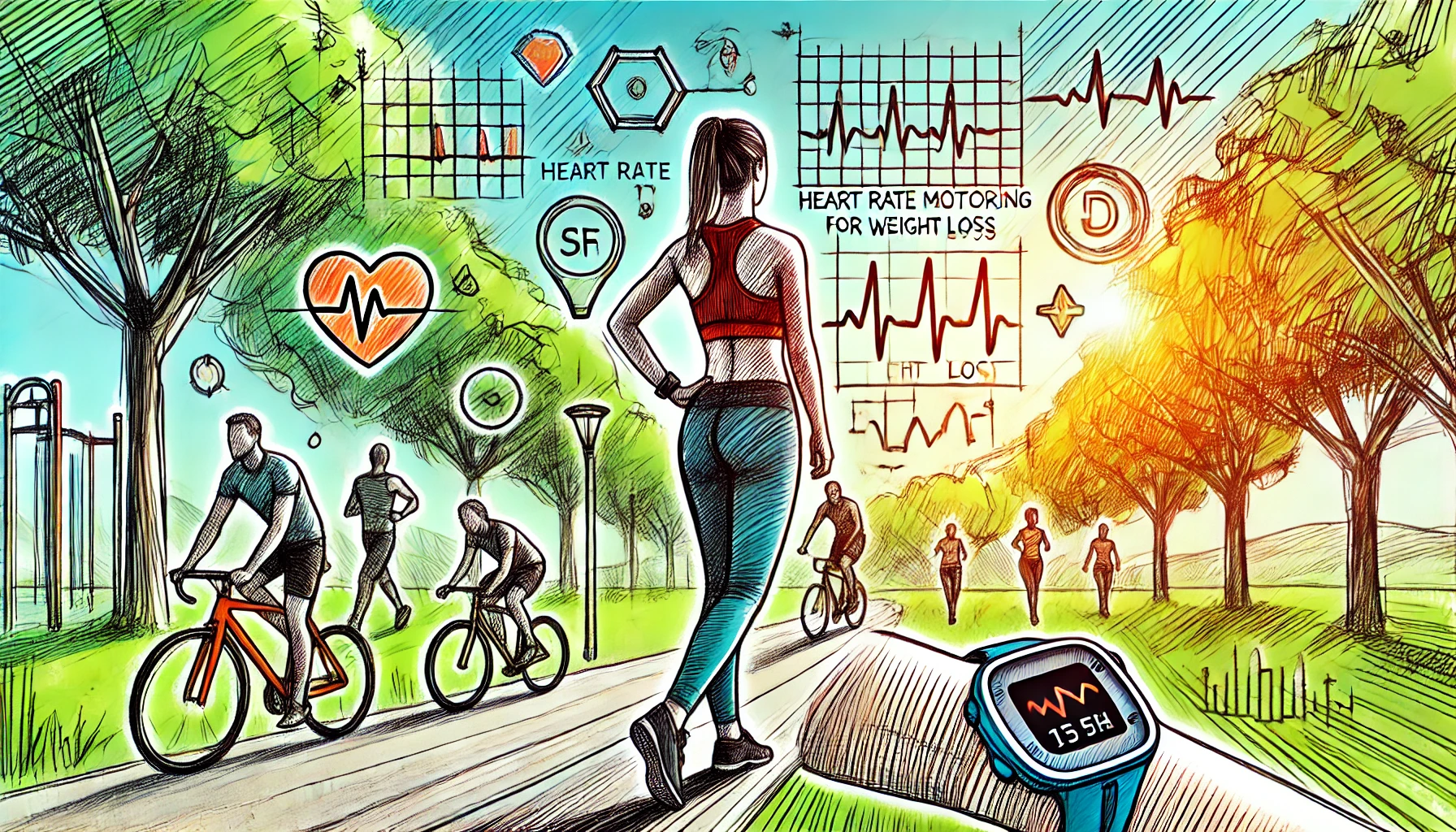
Heart rate monitoring is a powerful tool for optimizing your weight loss journey. By keeping track of your heart rate during exercise, you can ensure that you are working out at the right intensity to burn calories efficiently and achieve your weight loss goals. This blog explores the benefits of heart rate monitoring for weight loss, how to use it effectively, and practical tips for getting started.
Monitoring your heart rate provides real-time feedback on your workout intensity, helping you stay within the optimal heart rate zones for fat burning and cardiovascular improvement. Understanding how to leverage this information can enhance your exercise routine, making your weight loss efforts more effective and sustainable.
1. Optimize Workout Intensity
- Target Heart Rate Zones: Exercising within specific heart rate zones ensures you are working out at the right intensity for your weight loss goals.
- Fat Burning Zone (60-70% of Maximum Heart Rate): This zone is ideal for longer, steady-state cardio sessions that primarily burn fat for fuel.
- Cardio Zone (70-85% of Maximum Heart Rate): Higher intensity workouts in this zone improve cardiovascular fitness and burn more calories overall.
- Personalized Training: Heart rate monitoring allows you to customize your workouts based on your fitness level and progress, ensuring each session is effective.
2. Maximize Calorie Burn
- Efficient Workouts: By staying within the optimal heart rate zones, you can maximize calorie expenditure during each workout session.
- Interval Training: Heart rate monitoring is essential for high-intensity interval training (HIIT), where you alternate between high-intensity bursts and lower-intensity recovery periods to burn more calories in less time.
- Consistent Intensity: Monitoring your heart rate helps maintain a consistent workout intensity, preventing you from working too hard or not hard enough.
3. Track Progress and Stay Motivated
- Visual Feedback: Seeing your heart rate data and the calories burned during workouts provides tangible evidence of your efforts, boosting motivation.
- Goal Setting: Use heart rate data to set specific, achievable fitness goals and track your progress over time.
- Progress Monitoring: Regularly checking your heart rate can help you see improvements in your fitness level and endurance, keeping you motivated to continue your weight loss journey.
4. Prevent Overtraining and Injury
- Safe Training: Monitoring your heart rate ensures you stay within safe limits, reducing the risk of overtraining and related injuries.
- Recovery Tracking: Heart rate monitoring can help you track recovery by observing how quickly your heart rate returns to normal after exercise, indicating improved fitness and readiness for the next workout.
- Balanced Workouts: By avoiding excessive intensity, you can prevent burnout and maintain a sustainable exercise routine.
5. Improve Cardiovascular Health
- Heart Health: Regularly exercising in the cardio zone strengthens the heart and improves overall cardiovascular health.
- Lower Resting Heart Rate: As your fitness improves, your resting heart rate will decrease, indicating a more efficient heart.
- Reduced Health Risks: Improved cardiovascular fitness reduces the risk of heart disease, hypertension, and other chronic conditions.
How to Use Heart Rate Monitoring for Weight Loss
1. Calculate Your Maximum Heart Rate (MHR)
- Formula: 220 – your age
- Example: For a 30-year-old, MHR = 220 – 30 = 190 bpm
2. Determine Your Target Heart Rate Zones
- Fat Burning Zone: 60-70% of MHR
- Example for a 30-year-old: 114-133 bpm
- Cardio Zone: 70-85% of MHR
- Example for a 30-year-old: 133-162 bpm
3. Choose the Right Heart Rate Monitor
- Wearable Devices: Fitness trackers and smartwatches with heart rate monitoring capabilities, such as Fitbit Charge 5, Apple Watch, and Garmin Forerunner.
- Chest Straps: For more accurate readings, consider chest strap monitors like the Polar H10, which provide precise ECG measurements.
- Fitness Apps: Use smartphone apps that sync with your heart rate monitor to track and analyze your heart rate data.
4. Monitor Your Heart Rate During Workouts
- Warm-Up: Start your workout with a warm-up in the lower end of your fat burning zone (50-60% of MHR) to prepare your body for exercise.
- Main Workout: Increase the intensity to stay within your target heart rate zone (60-85% of MHR) depending on your workout type.
- For steady-state cardio, aim for the fat burning zone (60-70% of MHR).
- For HIIT or more intense cardio, aim for the cardio zone (70-85% of MHR).
- Cool-Down: Gradually decrease the intensity of your workout to return to the lower end of the fat burning zone (50-60% of MHR) during your cool-down.
5. Track and Analyze Your Data
- Consistent Monitoring: Regularly check your heart rate throughout your workouts to ensure you stay within your target zones.
- Review Post-Workout Data: Use your heart rate monitor or fitness app to review your heart rate data, calories burned, and time spent in each heart rate zone.
- Adjust Workouts: Based on your heart rate data, adjust the intensity and duration of your workouts to optimize calorie burn and improve fitness.
Tips for Effective Heart Rate Monitoring
- Stay Hydrated: Proper hydration supports optimal heart rate readings and overall performance.
- Avoid Stimulants: Limit caffeine and other stimulants before workouts as they can artificially elevate heart rate.
- Ensure Proper Fit: Make sure your heart rate monitor fits correctly and is positioned according to the manufacturer’s instructions.
- Warm-Up and Cool-Down: Always include warm-up and cool-down periods in your workouts to gradually raise and lower your heart rate.
- Listen to Your Body: While heart rate data is valuable, also pay attention to how you feel during workouts and adjust as necessary.
Conclusion
Heart rate monitoring is an effective strategy for optimizing weight loss by ensuring you exercise at the right intensity to burn calories efficiently. By understanding and utilizing target heart rate zones, you can maximize your workout benefits, track progress, prevent overtraining, and improve cardiovascular health. Incorporating heart rate monitoring into your fitness routine provides valuable feedback and motivation, helping you achieve your weight loss goals in a safe and sustainable manner.