
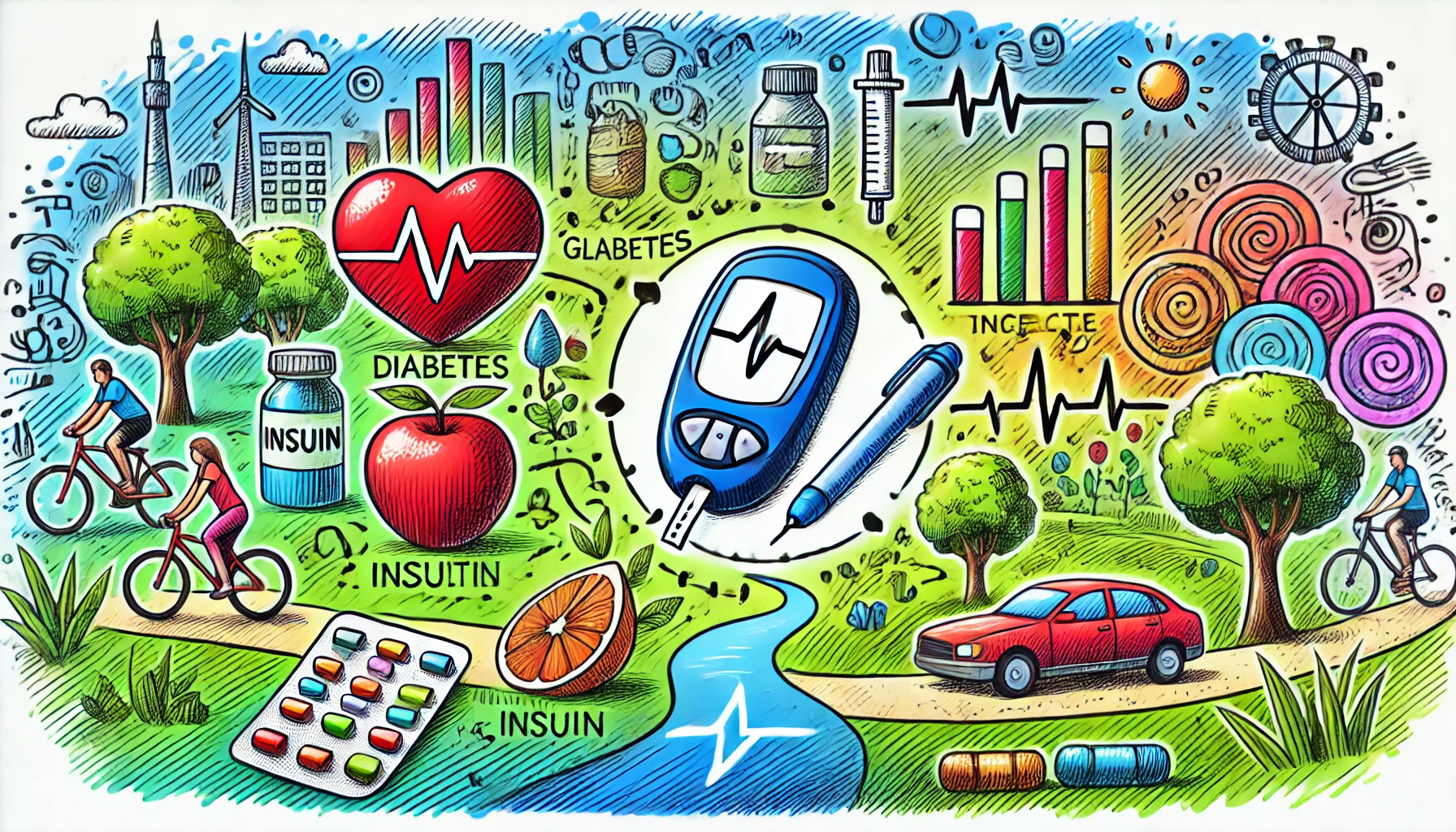
Diabetes and heart disease are closely linked, with diabetes significantly increasing the risk of developing cardiovascular conditions. Understanding this connection is crucial for managing diabetes and preventing heart disease. High blood sugar levels can lead to various complications that affect the heart and blood vessels, making it essential for individuals with diabetes to take proactive steps in managing their condition to protect their heart health.
The relationship between diabetes and heart disease is multifaceted, involving factors such as high blood glucose, hypertension, dyslipidemia, and inflammation. These factors contribute to the development of atherosclerosis, coronary artery disease, and other cardiovascular issues. This blog explores the connection between diabetes and heart disease, detailing the mechanisms involved and offering practical tips for reducing the risk of heart-related complications in individuals with diabetes.
1. High Blood Sugar and Atherosclerosis
- Damage to blood vessels: Persistently high blood glucose levels damage the endothelial lining of blood vessels, promoting atherosclerosis.
- Plaque formation: Elevated glucose levels contribute to the buildup of fatty deposits (plaque) in the arteries.
- Reduced blood flow: Plaque narrows the arteries, reducing blood flow to the heart and increasing the risk of heart attacks.
- Arterial stiffness: Diabetes accelerates arterial stiffness, making it harder for the heart to pump blood effectively.
- Inflammation: High blood sugar levels trigger inflammatory responses that further damage blood vessels.
2. Hypertension and Heart Disease
- Increased risk: Individuals with diabetes are more likely to develop high blood pressure, a major risk factor for heart disease.
- Vascular strain: Hypertension increases the workload on the heart, leading to hypertrophy (thickening) of the heart muscle.
- Endothelial dysfunction: High blood pressure damages the endothelium, exacerbating atherosclerosis.
- Combined impact: The coexistence of hypertension and diabetes significantly raises the risk of cardiovascular events.
- Management: Regular monitoring and control of blood pressure are essential in reducing heart disease risk in diabetics.
3. Dyslipidemia and Cardiovascular Risk
- Abnormal lipid levels: Diabetes often leads to dyslipidemia, characterized by high levels of LDL cholesterol and triglycerides, and low levels of HDL cholesterol.
- Plaque accumulation: Elevated LDL and triglycerides contribute to plaque buildup in arteries.
- Protective HDL: Low HDL levels reduce the protective effects against atherosclerosis.
- Monitoring: Regular lipid profile tests help in managing cholesterol levels effectively.
- Medication: Statins and other lipid-lowering medications are commonly prescribed to manage dyslipidemia in diabetics.
4. Inflammation and Oxidative Stress
- Chronic inflammation: Diabetes induces chronic inflammation, which plays a critical role in the development of atherosclerosis.
- Oxidative stress: High blood sugar levels increase the production of free radicals, leading to oxidative stress and further damaging blood vessels.
- Endothelial damage: Inflammation and oxidative stress contribute to endothelial dysfunction, promoting cardiovascular disease.
- Antioxidant-rich diet: Consuming foods rich in antioxidants can help combat oxidative stress.
- Anti-inflammatory strategies: Managing inflammation through medication and lifestyle changes is crucial for heart health.
5. Diabetic Cardiomyopathy
- Direct effect on the heart: Diabetes can directly affect the heart muscle, leading to diabetic cardiomyopathy.
- Heart function: Diabetic cardiomyopathy impairs the heart’s ability to pump blood effectively, leading to heart failure.
- Symptoms: Symptoms include shortness of breath, fatigue, and swelling in the legs.
- Early detection: Regular cardiac evaluations can help detect and manage diabetic cardiomyopathy.
- Management: Controlling blood sugar levels and managing cardiovascular risk factors are essential for preventing and treating this condition.
6. Importance of Blood Sugar Control
- Glycemic control: Maintaining target blood glucose levels is crucial in preventing cardiovascular complications.
- HbA1c monitoring: Regular HbA1c tests provide an overview of long-term blood sugar control.
- Medication adherence: Consistently taking prescribed diabetes medications helps manage blood sugar levels.
- Lifestyle modifications: A balanced diet, regular exercise, and weight management are key to maintaining good glycemic control.
- Continuous monitoring: Using continuous glucose monitors (CGMs) can provide real-time insights into blood sugar levels and help make informed decisions.
7. Healthy Eating for Heart Health
- Balanced diet: Emphasize fruits, vegetables, whole grains, lean proteins, and healthy fats.
- Low glycemic index: Choose foods with a low glycemic index to maintain stable blood sugar levels.
- Reduce sodium: Limiting salt intake helps manage blood pressure.
- Healthy fats: Incorporate sources of unsaturated fats like olive oil, nuts, and avocados to improve lipid profiles.
- Portion control: Managing portion sizes helps prevent overeating and weight gain.
8. Regular Physical Activity
- Exercise benefits: Physical activity improves cardiovascular fitness, aids in weight management, and helps control blood sugar levels.
- Aerobic exercises: Activities like walking, cycling, and swimming strengthen the heart and improve circulation.
- Strength training: Building muscle mass through resistance exercises enhances metabolism and overall health.
- Consistency: Aim for at least 150 minutes of moderate-intensity exercise per week.
- Daily movement: Incorporate physical activity into daily routines, such as taking the stairs and walking instead of driving short distances.
9. Medication and Medical Management
- Comprehensive approach: Managing diabetes often requires a combination of medications to control blood sugar, blood pressure, and cholesterol levels.
- Regular check-ups: Routine visits to healthcare providers ensure proper management and early detection of complications.
- Medication adherence: Taking medications as prescribed is essential for effective diabetes and heart disease management.
- Specialist care: Consulting endocrinologists and cardiologists can provide specialized care and guidance.
- Monitoring: Regular blood tests and diagnostic procedures help track the effectiveness of treatment plans.
10. Stress Management and Mental Health
- Impact of stress: Chronic stress can negatively affect blood sugar levels and cardiovascular health.
- Stress reduction: Techniques such as meditation, yoga, and deep breathing exercises can help manage stress.
- Mental health support: Seeking support from mental health professionals can aid in coping with diabetes-related stress and anxiety.
- Healthy coping mechanisms: Engaging in hobbies and social activities can provide emotional relief and improve overall well-being.
- Holistic approach: Combining physical health management with mental health care is essential for comprehensive diabetes and heart disease prevention.
Conclusion
The connection between diabetes and heart disease is strong, with diabetes significantly increasing the risk of various cardiovascular conditions. Understanding this link is crucial for effective management and prevention. By maintaining good blood sugar control, managing blood pressure and cholesterol levels, and adopting a healthy lifestyle, individuals with diabetes can reduce their risk of heart disease.
Regular medical check-ups, medication adherence, and a holistic approach to health that includes stress management and mental well-being are essential components of a comprehensive diabetes and heart disease prevention strategy. By taking proactive steps and making informed choices, individuals can protect their heart health and improve their overall quality of life.