
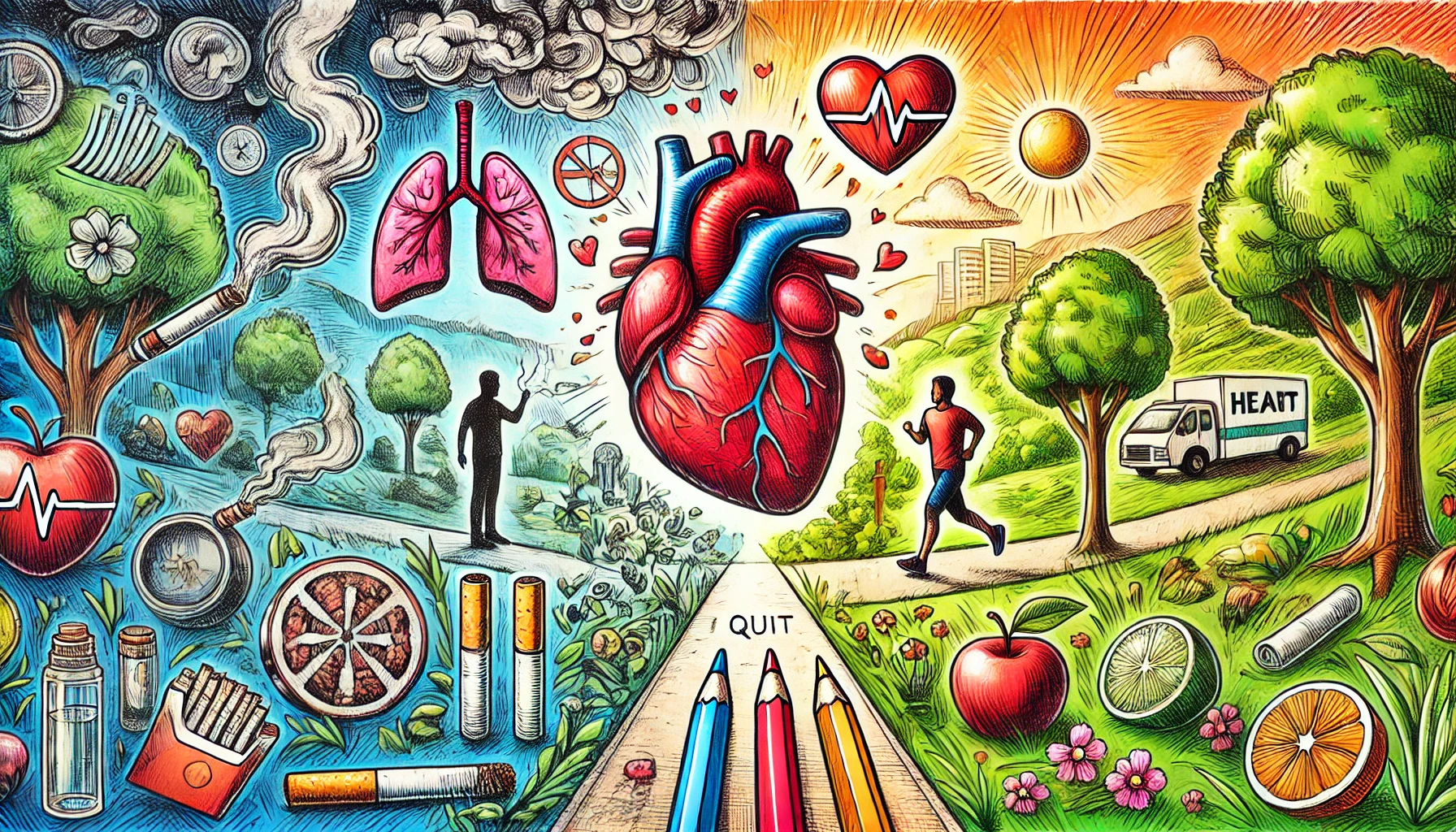
Smoking remains one of the leading causes of preventable death worldwide, significantly impacting heart health. The harmful chemicals in tobacco smoke damage the cardiovascular system, increasing the risk of heart disease, stroke, and other serious conditions. Understanding the detrimental effects of smoking on heart health and learning effective strategies to quit can help individuals take crucial steps toward a healthier life.
The relationship between smoking and heart health is well-documented. Cigarette smoke contains thousands of harmful substances that contribute to the development of atherosclerosis, high blood pressure, and decreased oxygen supply to the heart. By quitting smoking, individuals can dramatically reduce their risk of heart disease and improve overall health. This blog explores the impact of smoking on heart health and provides practical tips on how to quit smoking successfully.
1. Smoking and Atherosclerosis
- Plaque buildup: Smoking accelerates the accumulation of plaque in arteries, leading to atherosclerosis.
- Narrowed arteries: The buildup of plaque narrows arteries, reducing blood flow to the heart and other organs.
- Increased risk of heart attacks: Plaque can rupture, causing blood clots that block blood flow and trigger heart attacks.
- Stroke risk: Atherosclerosis in the carotid arteries can lead to strokes if blood flow to the brain is obstructed.
- Peripheral artery disease: Reduced blood flow to the limbs increases the risk of infections and complications.
2. Smoking and High Blood Pressure
- Vasoconstriction: Nicotine causes blood vessels to constrict, raising blood pressure and heart rate.
- Increased workload: The heart has to work harder to pump blood through narrowed vessels, leading to hypertension.
- Damage to vessel walls: High blood pressure damages the inner lining of arteries, promoting plaque formation.
- Heart strain: Chronic hypertension weakens the heart muscle over time, increasing the risk of heart failure.
- Silent killer: Often, high blood pressure has no symptoms, making regular monitoring crucial for smokers.
3. Reduced Oxygen Supply
- Carbon monoxide: Smoking increases carbon monoxide levels in the blood, reducing oxygen delivery to the heart and tissues.
- Hemoglobin binding: Carbon monoxide binds to hemoglobin more effectively than oxygen, decreasing oxygen transport.
- Increased heart rate: To compensate for reduced oxygen, the heart rate increases, placing additional strain on the heart.
- Angina: Reduced oxygen supply can cause chest pain (angina) during physical activity or stress.
- Compromised exercise capacity: Smokers often experience reduced stamina and endurance due to lower oxygen levels.
4. Inflammation and Clotting
- Inflammatory response: Chemicals in tobacco smoke trigger inflammation in the cardiovascular system.
- Increased clotting risk: Smoking promotes the formation of blood clots, increasing the risk of heart attacks and strokes.
- Vascular damage: Chronic inflammation damages blood vessel walls, leading to more severe atherosclerosis.
- Endothelial dysfunction: Smoking impairs the endothelium (inner lining of blood vessels), affecting vascular health.
- Systemic impact: Inflammation from smoking affects not only the heart but also other organs and tissues.
5. Impact on Lipid Levels
- Raised LDL cholesterol: Smoking increases low-density lipoprotein (LDL) cholesterol, contributing to plaque buildup.
- Lowered HDL cholesterol: Smoking decreases high-density lipoprotein (HDL) cholesterol, reducing its protective effect.
- Triglycerides: Smoking raises triglyceride levels, further increasing the risk of heart disease.
- Lipid oxidation: Chemicals in smoke promote the oxidation of LDL cholesterol, making it more harmful to arteries.
- Overall risk: The combined effect of these changes significantly elevates cardiovascular risk.
6. Benefits of Quitting Smoking
- Immediate improvements: Within 20 minutes of quitting, heart rate and blood pressure begin to drop.
- Enhanced oxygen levels: Carbon monoxide levels in the blood decrease, improving oxygen delivery to the heart and tissues.
- Reduced inflammation: Inflammatory markers decrease, promoting vascular healing.
- Lower blood pressure: Quitting smoking helps normalize blood pressure, reducing heart strain.
- Improved cholesterol levels: HDL cholesterol levels increase, while LDL cholesterol and triglyceride levels decrease.
7. Strategies to Quit Smoking
- Set a quit date: Choose a specific date to quit smoking and stick to it.
- Inform family and friends: Letting loved ones know about your plan to quit can provide support and accountability.
- Remove triggers: Get rid of cigarettes, lighters, and ashtrays to reduce temptation.
- Identify triggers: Recognize situations or activities that trigger the urge to smoke and develop alternative coping strategies.
- Stay busy: Engage in activities that keep your hands and mind occupied to distract from cravings.
8. Nicotine Replacement Therapy (NRT)
- Types of NRT: Patches, gums, lozenges, inhalers, and nasal sprays provide a controlled dose of nicotine to ease withdrawal.
- Combination therapy: Using more than one type of NRT can increase the chances of quitting successfully.
- Gradual reduction: NRT allows for a gradual reduction in nicotine dependence, easing the transition to a smoke-free life.
- Accessibility: NRT products are available over-the-counter, making them accessible for those looking to quit.
- Professional guidance: Consult with a healthcare provider to determine the best NRT strategy for your needs.
9. Prescription Medications
- Bupropion: An antidepressant that helps reduce cravings and withdrawal symptoms.
- Varenicline: Reduces the pleasure derived from smoking and eases withdrawal symptoms.
- Medication regimen: Follow the prescribed dosage and duration for optimal effectiveness.
- Monitoring: Regular check-ins with a healthcare provider can help manage side effects and track progress.
- Complementary therapies: Combining medications with counseling or support groups increases the chances of quitting successfully.
10. Support Systems and Counseling
- Behavioral therapy: Working with a counselor or therapist can help address the psychological aspects of smoking addiction.
- Support groups: Joining a support group provides encouragement and shared experiences from others who are also quitting.
- Hotlines and online resources: Access to quitlines and online support can offer immediate assistance and motivation.
- Family and friends: Leaning on loved ones for support can provide emotional strength during the quitting process.
- Follow-up: Regular follow-up appointments with healthcare providers can help monitor progress and provide ongoing support.
Conclusion
The impact of smoking on heart health is profound and far-reaching. From atherosclerosis and high blood pressure to reduced oxygen supply and increased inflammation, the harmful effects of smoking significantly elevate the risk of heart disease and other cardiovascular conditions. However, the benefits of quitting smoking are immediate and substantial, leading to improved heart health and overall well-being.
By understanding the dangers of smoking and employing effective strategies to quit, individuals can take control of their health and dramatically reduce their risk of heart disease. Utilizing a combination of nicotine replacement therapy, prescription medications, and support systems can enhance the chances of successfully quitting smoking. Prioritizing heart health through smoking cessation is a crucial step toward a longer, healthier life.