
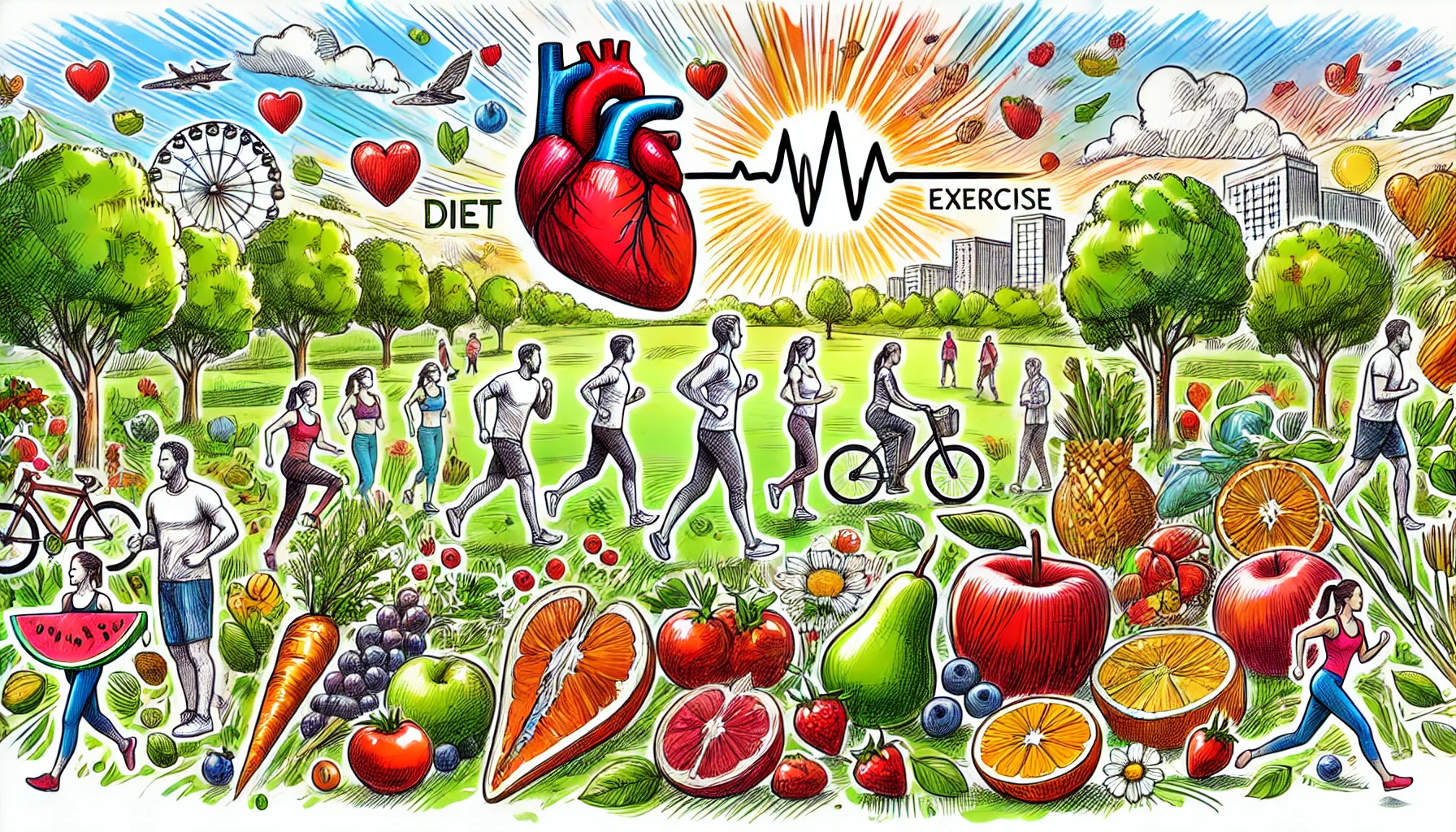
Heart disease remains a leading cause of death worldwide, yet it is largely preventable. Two of the most significant factors in preventing heart disease are diet and exercise. These lifestyle choices can profoundly impact heart health, helping to maintain healthy blood pressure, cholesterol levels, and body weight. Understanding how diet and exercise contribute to heart disease prevention can empower individuals to make informed decisions that promote long-term cardiovascular health.
The interplay between diet and exercise is crucial for heart health. A balanced diet provides essential nutrients that support the cardiovascular system, while regular physical activity strengthens the heart muscle and improves circulation. Together, these lifestyle choices can reduce the risk of heart disease and enhance overall well-being. This blog explores the critical roles of diet and exercise in preventing heart disease, offering practical tips and insights to help you adopt heart-healthy habits.
1. Importance of a Heart-Healthy Diet
- Nutrient-rich foods: Consuming a variety of fruits, vegetables, whole grains, and lean proteins ensures an adequate intake of essential vitamins and minerals that support heart function.
- Healthy fats: Replacing saturated and trans fats with healthier options like monounsaturated and polyunsaturated fats can help lower bad cholesterol (LDL) and increase good cholesterol (HDL).
- Fiber intake: High-fiber foods, such as oats, beans, and flaxseeds, help reduce cholesterol levels and promote overall heart health.
- Reduced sodium: Lowering salt intake helps manage blood pressure, reducing the risk of hypertension and heart disease.
- Balanced portions: Managing portion sizes can prevent overeating, which is essential for maintaining a healthy weight and reducing heart disease risk.
2. Key Components of a Heart-Healthy Diet
- Fruits and vegetables: Rich in antioxidants, vitamins, and minerals, they help protect the heart by reducing inflammation and oxidative stress.
- Whole grains: Foods like brown rice, quinoa, and whole wheat bread are excellent sources of fiber and essential nutrients that support heart health.
- Lean proteins: Opt for fish, poultry, beans, and nuts, which provide protein without excessive saturated fat.
- Healthy fats: Incorporate sources of unsaturated fats like olive oil, avocado, and nuts to support heart health.
- Limited added sugars: Reducing the intake of sugary beverages and snacks helps maintain healthy blood sugar levels and prevents weight gain.
3. Benefits of Regular Physical Activity
- Strengthens the heart: Exercise improves the efficiency of the cardiovascular system, making the heart pump blood more effectively.
- Lowers blood pressure: Regular physical activity helps maintain normal blood pressure levels, reducing strain on the heart and arteries.
- Improves cholesterol levels: Exercise increases HDL (good cholesterol) and decreases LDL (bad cholesterol), promoting better heart health.
- Aids weight management: Physical activity helps maintain a healthy weight, reducing the risk of obesity-related heart conditions.
- Reduces stress: Exercise promotes the release of endorphins, which can lower stress levels and improve overall mental health.
4. Types of Exercise Beneficial for Heart Health
- Aerobic exercise: Activities like walking, running, swimming, and cycling improve cardiovascular fitness and endurance.
- Strength training: Building muscle mass through weightlifting or resistance exercises supports metabolism and overall heart health.
- Flexibility exercises: Stretching, yoga, and Pilates enhance flexibility, balance, and reduce the risk of injuries.
- Interval training: Alternating between high and low-intensity exercises boosts cardiovascular fitness and burns more calories.
- Consistency: Regular exercise, at least 150 minutes of moderate aerobic activity per week, is crucial for long-term heart health benefits.
5. Combining Diet and Exercise for Optimal Heart Health
- Holistic approach: Integrating both diet and exercise into daily routines creates a synergistic effect, enhancing overall heart health more than either strategy alone.
- Meal planning: Preparing balanced meals that align with heart-healthy guidelines supports sustained dietary habits.
- Active lifestyle: Incorporating physical activity into daily tasks, like taking stairs instead of the elevator, promotes a consistently active lifestyle.
- Support systems: Engaging in group activities or fitness classes and sharing meals with family or friends can enhance motivation and adherence to heart-healthy habits.
- Regular monitoring: Tracking diet and exercise progress helps identify areas for improvement and maintain accountability.
6. Impact of Diet on Blood Pressure and Cholesterol
- Low-sodium foods: Reducing salt intake helps prevent high blood pressure, a major risk factor for heart disease.
- Omega-3 fatty acids: Found in fish, flaxseeds, and walnuts, these fats help lower triglycerides and improve overall cholesterol levels.
- Plant sterols: Present in nuts, seeds, and legumes, plant sterols help reduce cholesterol absorption in the intestines.
- Soluble fiber: Foods high in soluble fiber, like oats and beans, help lower LDL cholesterol by binding to it and removing it from the body.
- Potassium-rich foods: Foods like bananas, spinach, and sweet potatoes help balance sodium levels and maintain healthy blood pressure.
7. Role of Exercise in Blood Pressure and Cholesterol Management
- Blood pressure reduction: Regular physical activity helps keep blood vessels flexible and promotes efficient blood flow, reducing hypertension.
- Cholesterol improvement: Exercise increases HDL cholesterol and lowers LDL cholesterol, improving overall lipid profiles.
- Enhanced circulation: Physical activity supports better blood circulation, which is essential for delivering oxygen and nutrients to tissues and organs.
- Insulin sensitivity: Exercise improves insulin sensitivity, helping to regulate blood sugar levels and reduce the risk of diabetes-related heart complications.
- Stress reduction: Regular exercise helps manage stress, which can negatively impact blood pressure and cholesterol levels.
8. Practical Tips for a Heart-Healthy Lifestyle
- Plan meals ahead: Preparing meals in advance can help ensure a balanced diet and reduce the temptation to eat unhealthy foods.
- Stay hydrated: Drinking enough water supports overall health and can aid in maintaining a healthy weight.
- Find enjoyable activities: Engaging in physical activities that you enjoy makes it easier to maintain a regular exercise routine.
- Set realistic goals: Gradually increasing activity levels and making incremental dietary changes can lead to sustainable habits.
- Monitor progress: Keeping a journal of dietary intake and physical activity can help track improvements and stay motivated.
9. Overcoming Barriers to a Heart-Healthy Lifestyle
- Time management: Prioritizing time for meal preparation and exercise can help integrate these habits into a busy schedule.
- Access to resources: Utilizing community resources, such as local gyms, parks, and farmer’s markets, can support a heart-healthy lifestyle.
- Social support: Engaging family and friends in your health journey can provide encouragement and accountability.
- Financial considerations: Choosing affordable, nutritious foods and free or low-cost exercise options can make heart-healthy living more accessible.
- Education: Staying informed about heart health and the benefits of diet and exercise can empower better decision-making.
10. Long-Term Benefits of a Heart-Healthy Lifestyle
- Increased longevity: A healthy diet and regular exercise can extend life expectancy by reducing the risk of heart disease and other chronic conditions.
- Improved quality of life: Maintaining heart health enhances physical fitness, mental well-being, and overall vitality.
- Reduced healthcare costs: Preventing heart disease through diet and exercise can lower medical expenses related to heart disease management and treatment.
- Enhanced mental health: Regular physical activity and a balanced diet contribute to better mental health, reducing the risk of depression and anxiety.
- Greater energy levels: A healthy lifestyle supports higher energy levels, making daily activities more enjoyable and less tiring.
In conclusion, the roles of diet and exercise in preventing heart disease are undeniable. By adopting a balanced diet rich in essential nutrients and engaging in regular physical activity, individuals can significantly reduce their risk of developing heart disease. These lifestyle choices not only improve heart health but also contribute to overall well-being. Embracing a heart-healthy lifestyle today can lead to a longer, healthier life free from the complications of heart disease.